

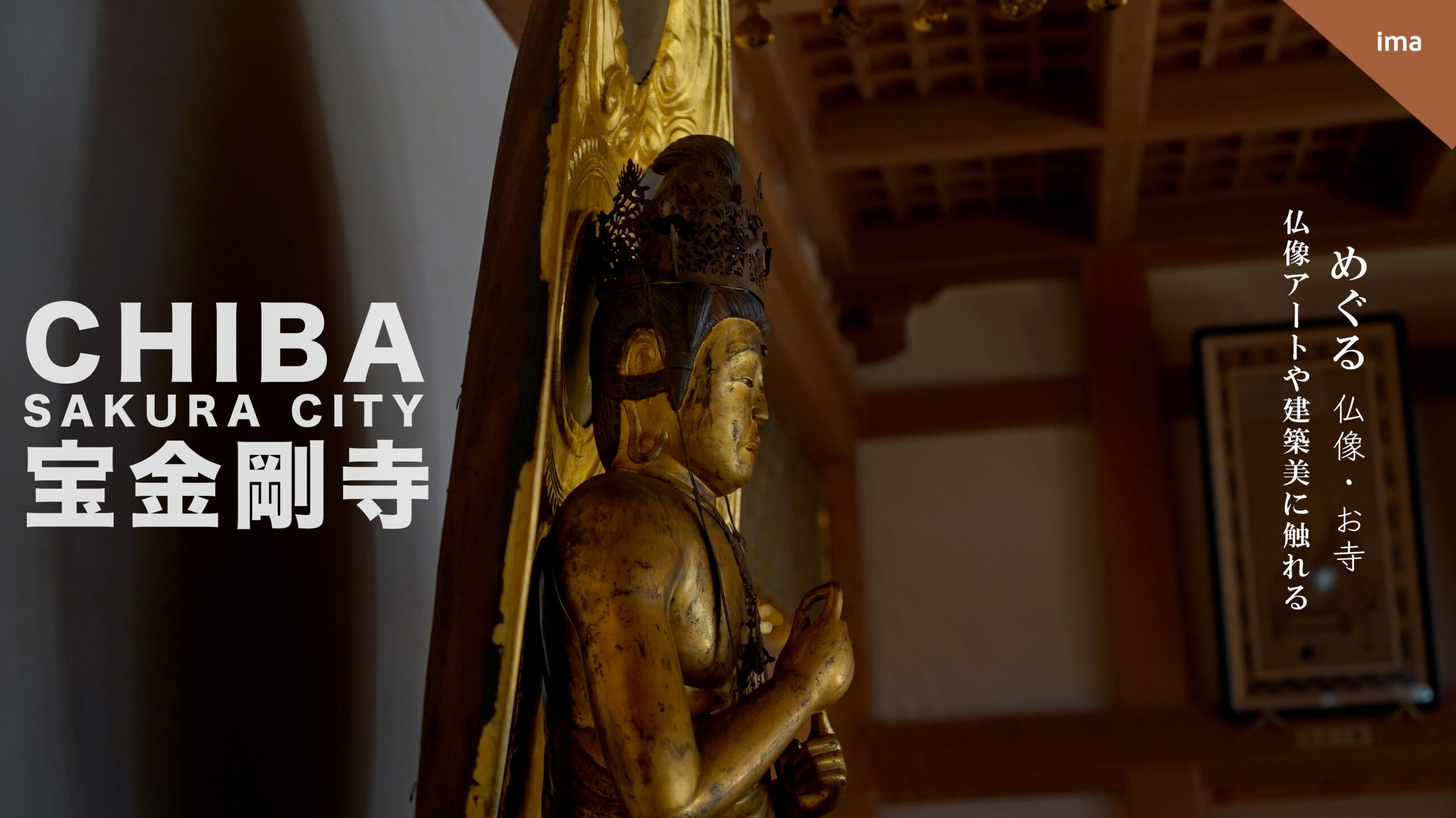
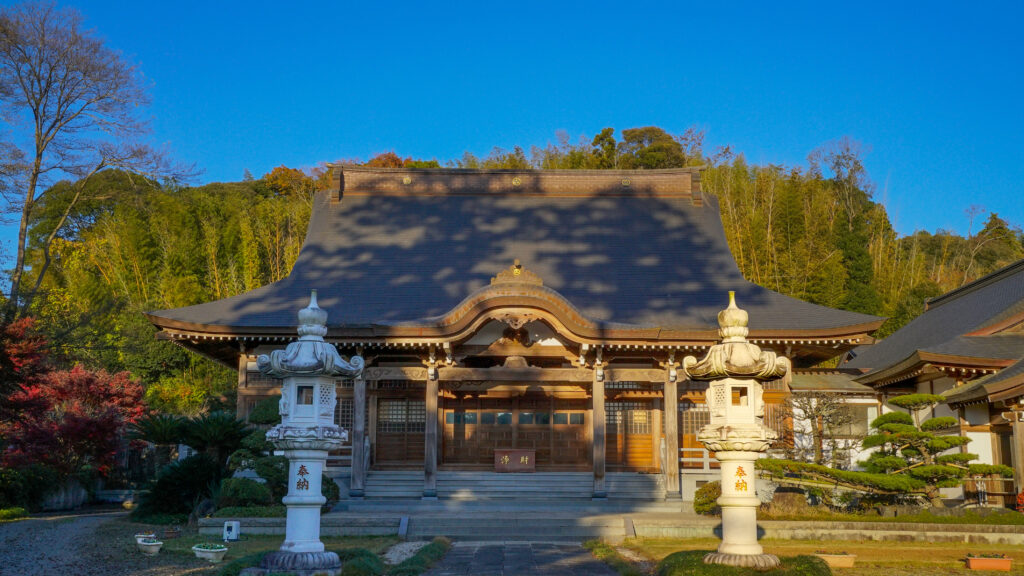
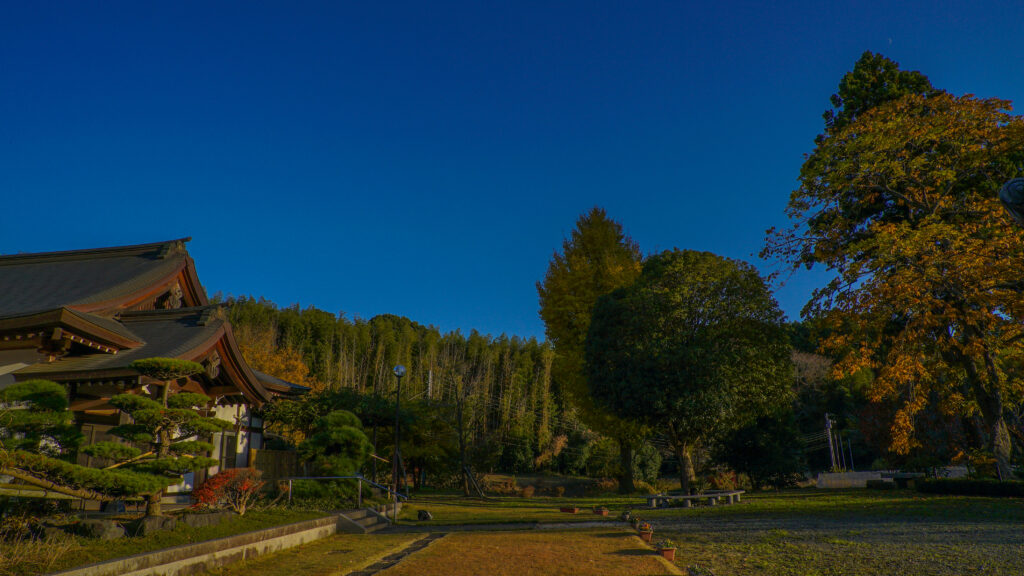
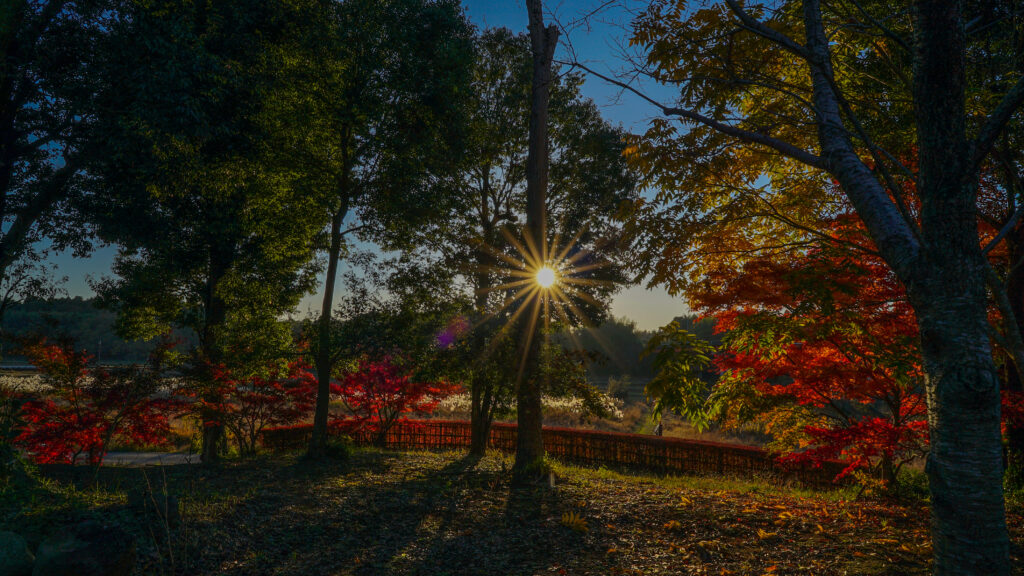
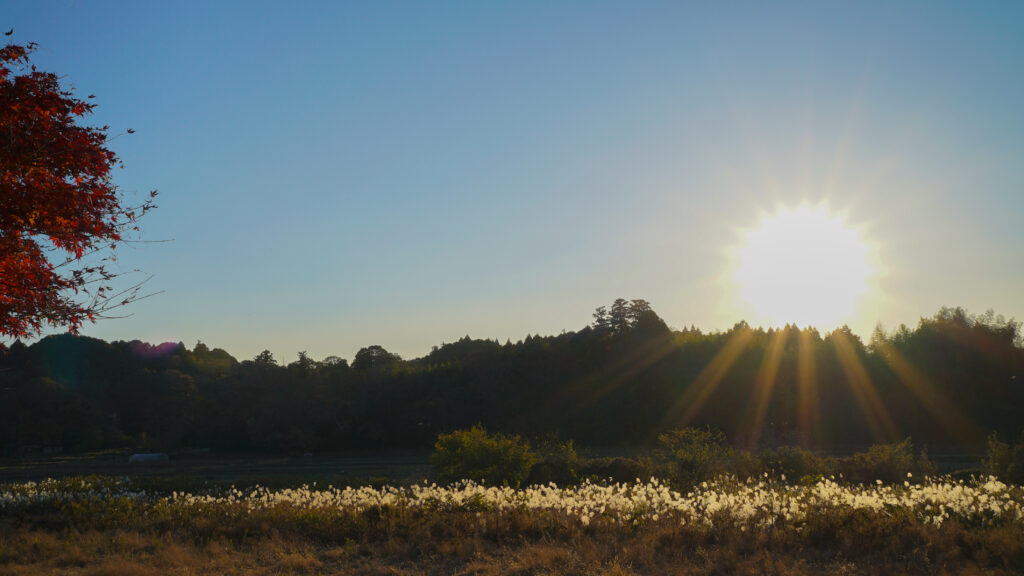
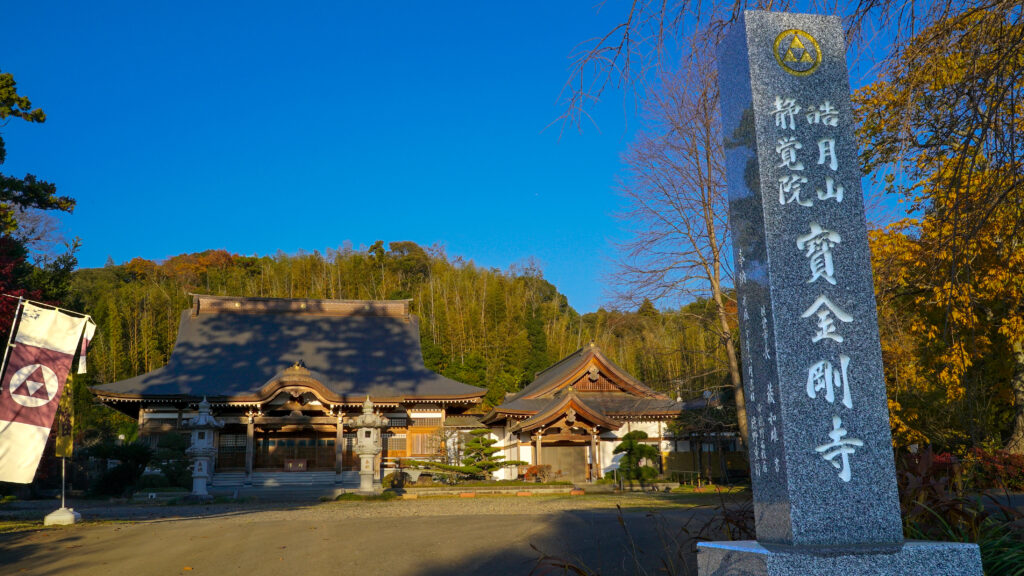
According to temple legend, Hokongo-ji Temple in Sakura City, Chiba Prefecture, was founded during the Kamakura period in 1203. The temple’s cozy and beautiful gardens, stately main hall, and seasonal scenery, such as fresh greenery, autumn leaves, and fields of Japanese pampas grass, bring a sense of peace to visitors.
The Buddhist statues are also very attractive, and the principal images and Buddhist statues of the branch temples of Hokongo-ji Temple are housed at Hokongo-ji Temple and are maintained and cared for.
The Yakushi Nyorai Triad, consisting of Yakushi Nyorai from Shimokatsuta Saikoji Temple, made in the late Heian period, and flanking attendants Nikko Bodhisattva and Gakko Bodhisattva; the seated Yakushi Nyorai from Yagi Tofukuin Temple, made in the Muromachi period; the Eleven-faced Kannon statue from Yagi Tofukuin Temple, made in the Heian period; the Fudo Triad, consisting of Acala, Seitaka Doji, and Kongara Doji, thought to have been made in the Azuchi-Momoyama period; Acala from Yagi Fudoin Temple, made in the Edo period; and the current principal image is Dainichi Nyorai, made in the Edo period.


A form of prayer that has continued since the Edo period, the principal image of Vairocana
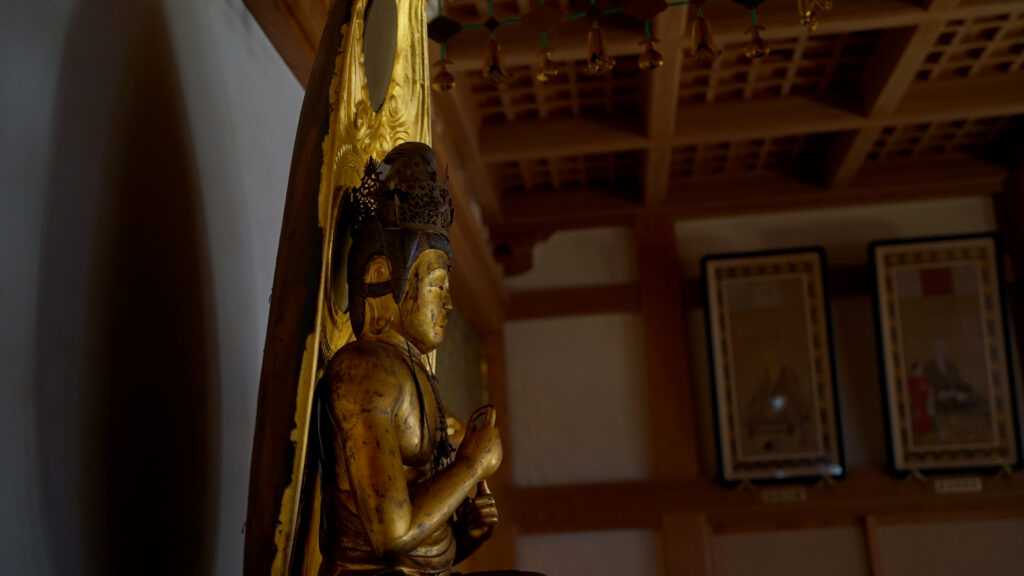
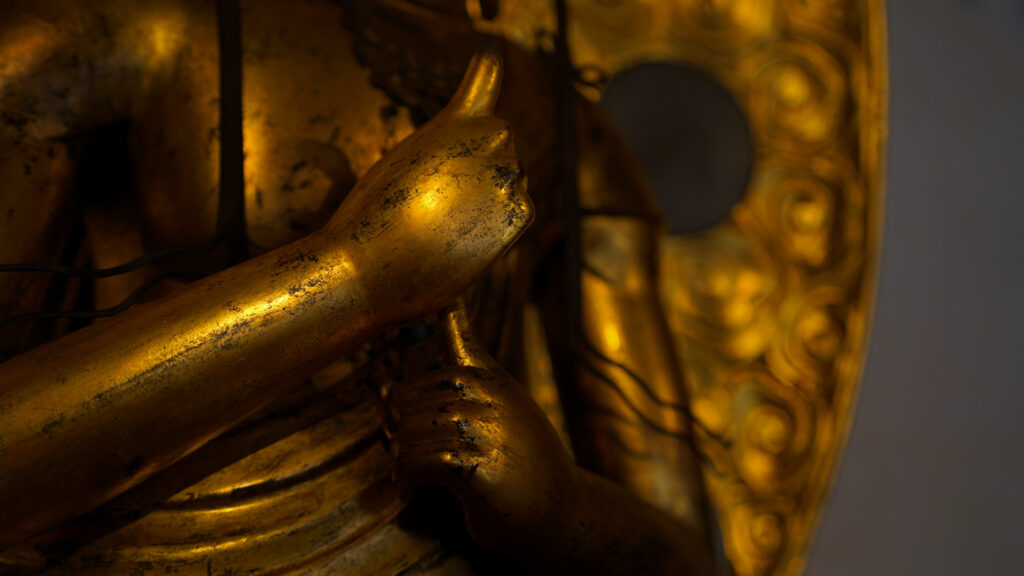
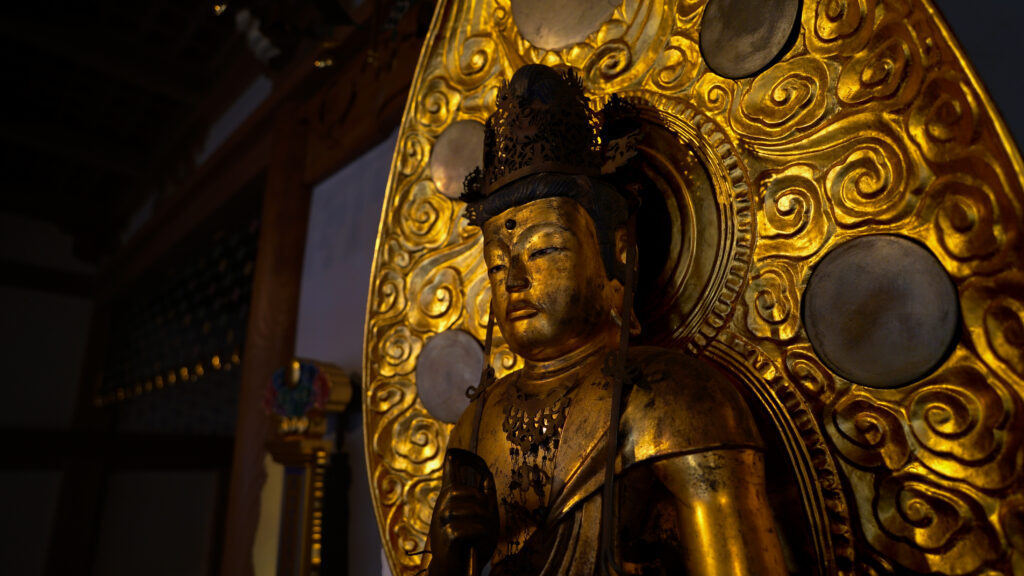
Wait a minute, Yakushi Nyorai
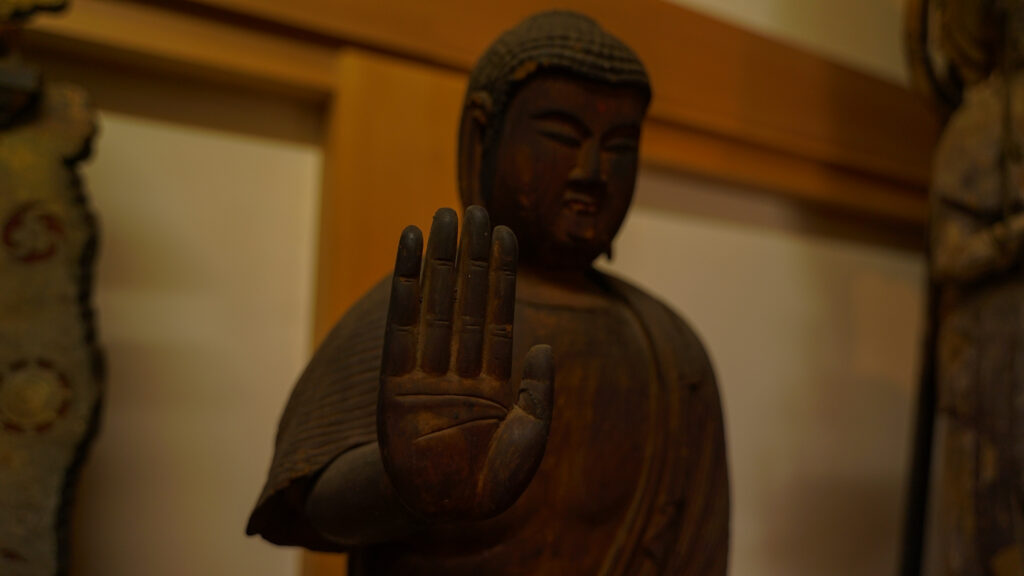
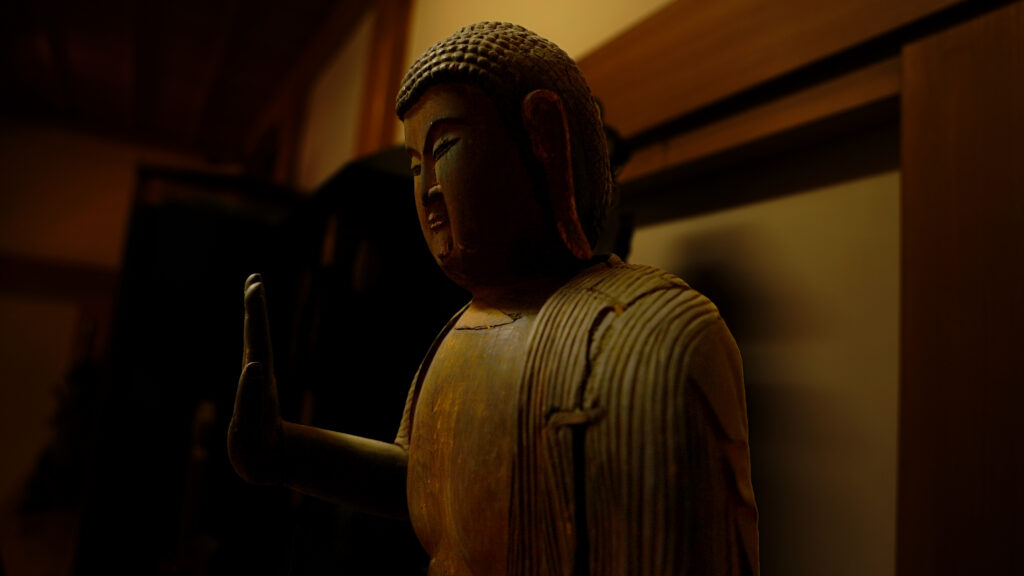
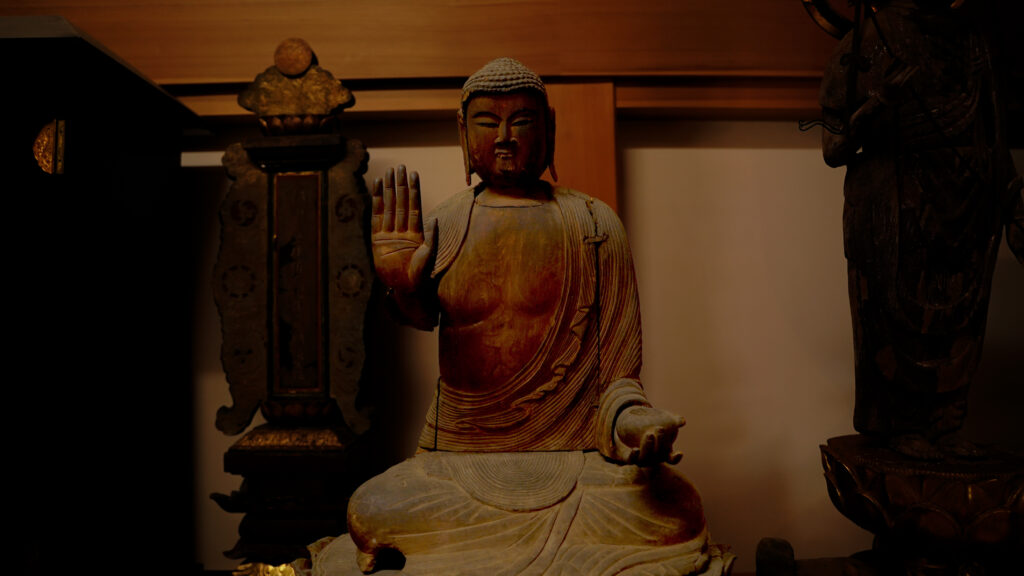
The adorable expression of the Fudo Sanzon statue
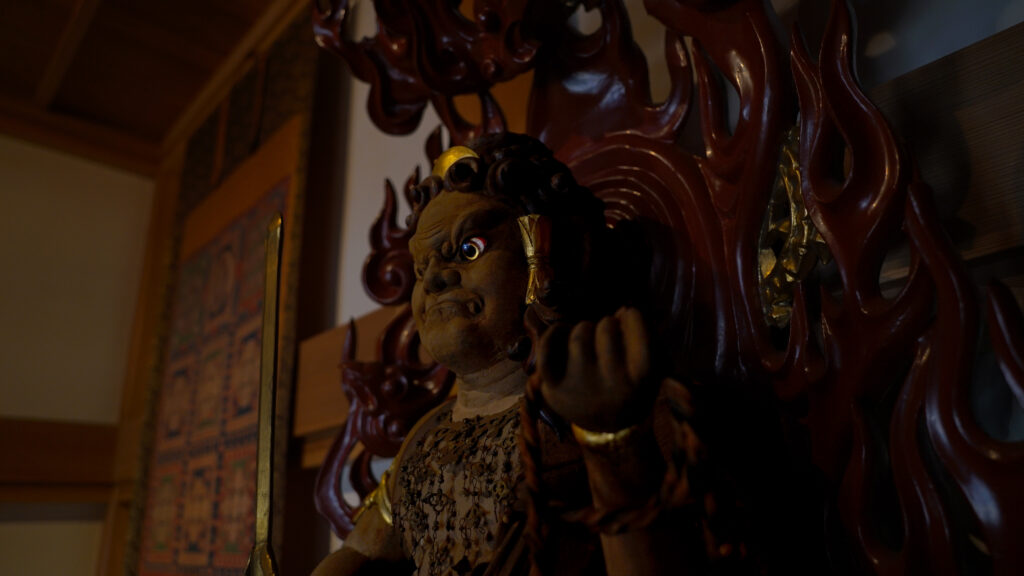
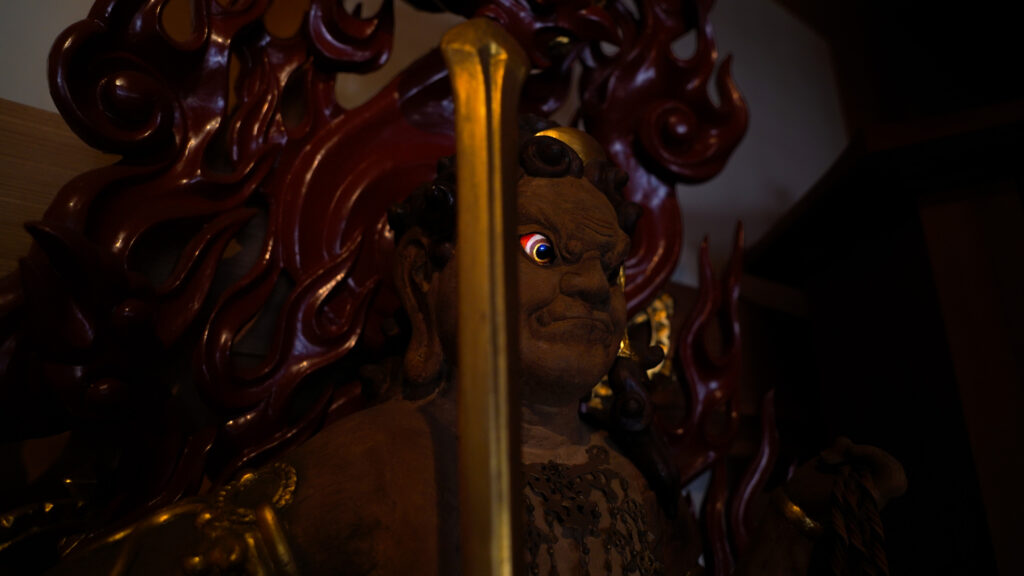
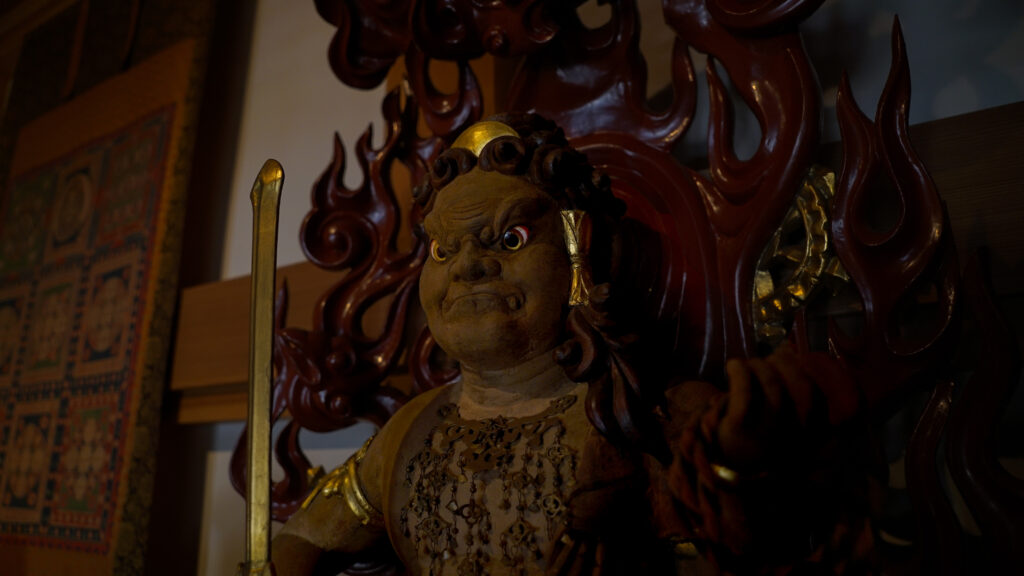
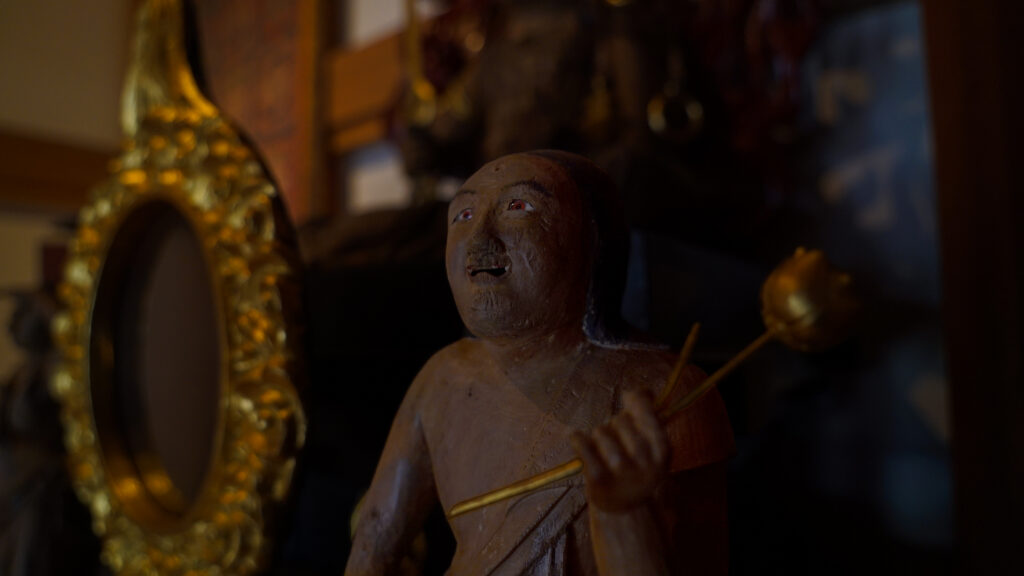
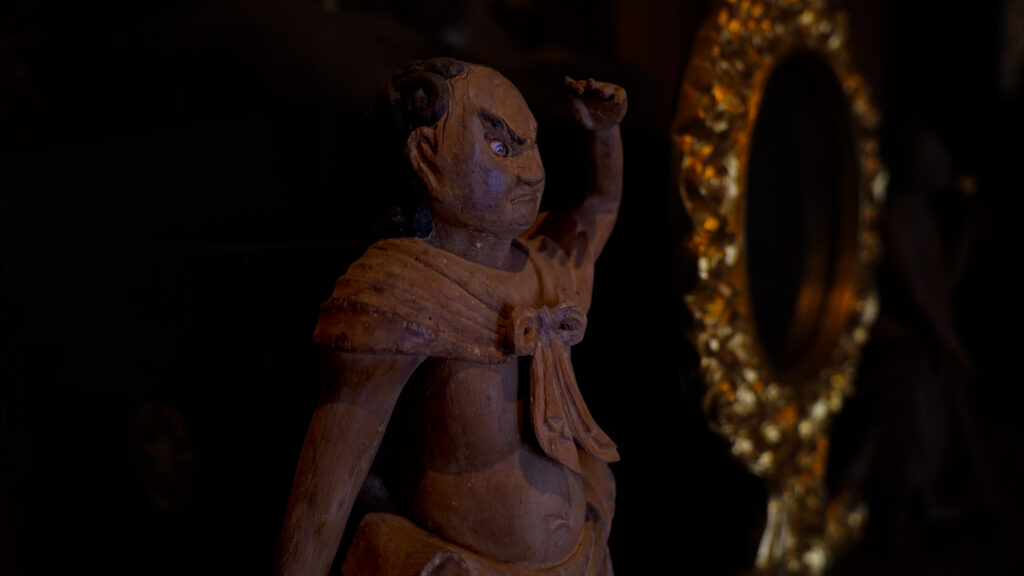
The Yakushi Nyorai Triad that was taken from a branch temple
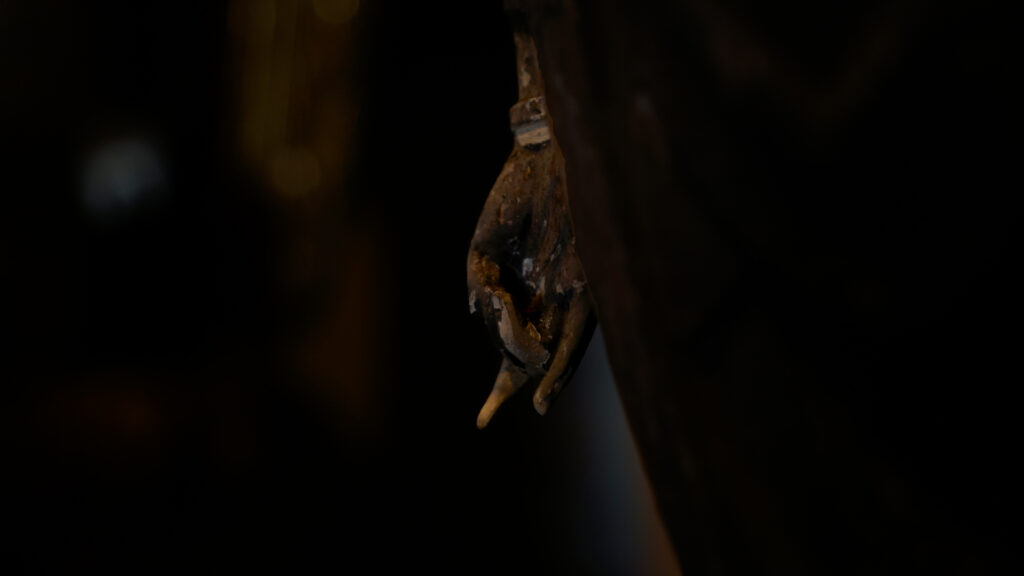
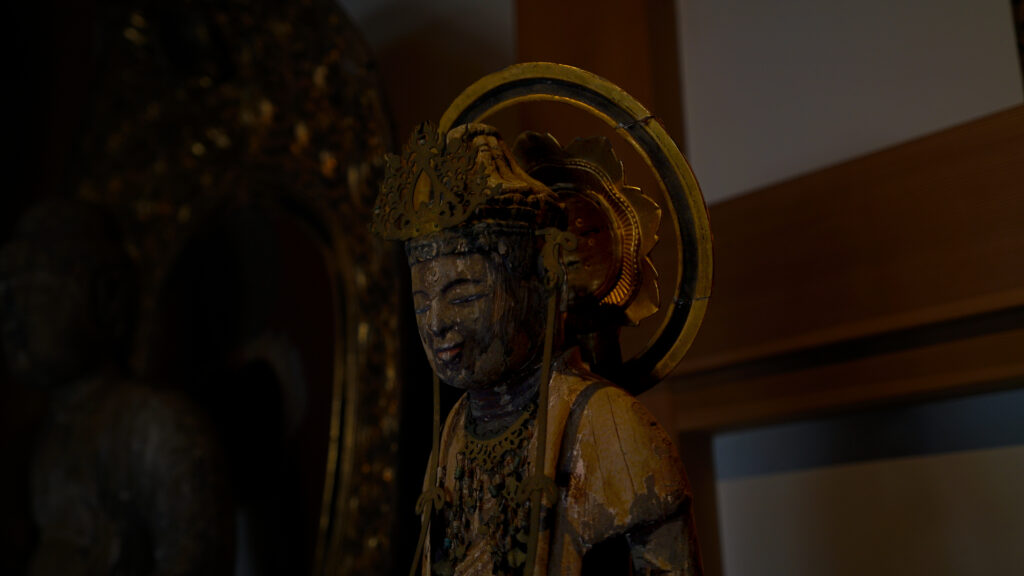
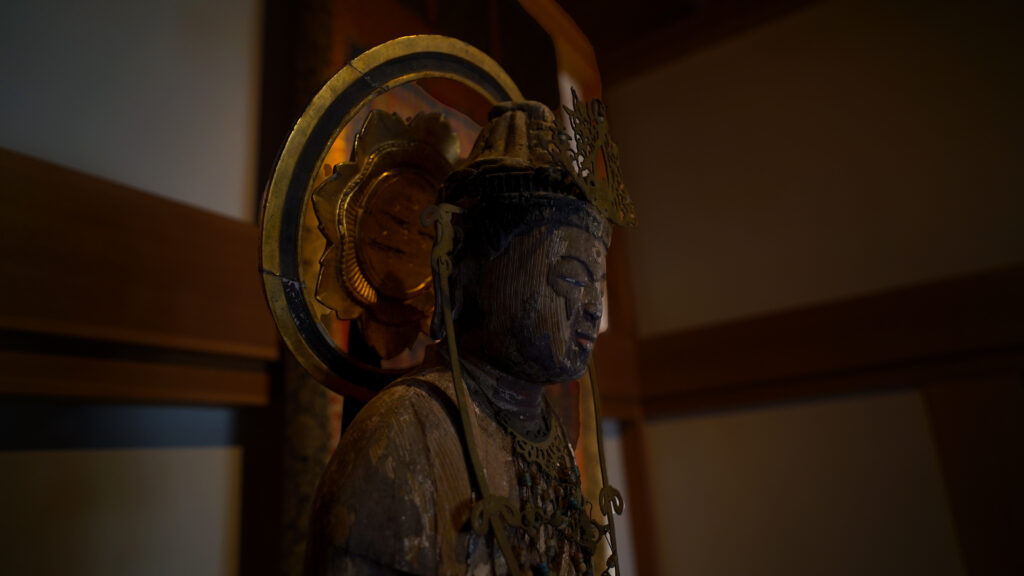
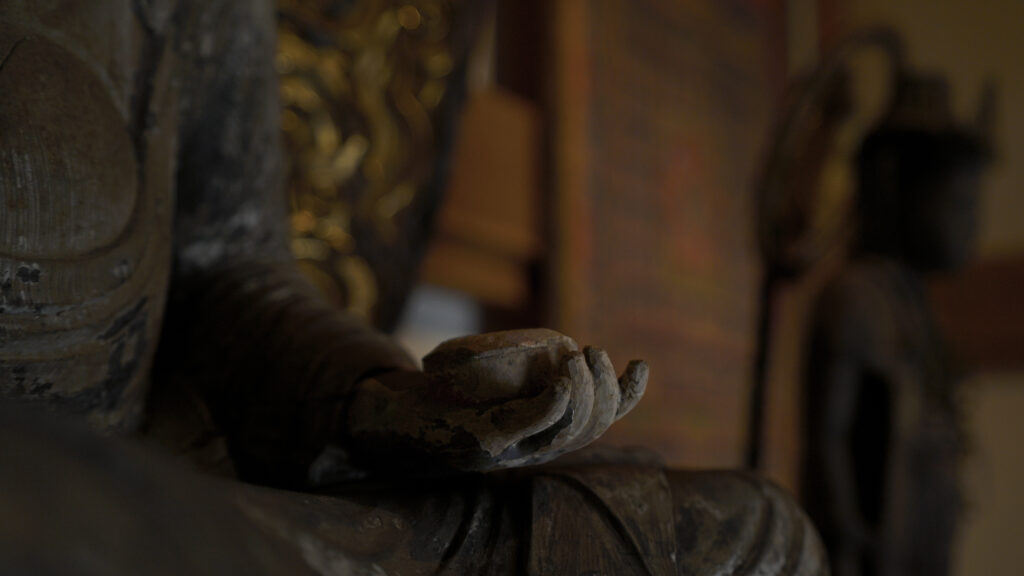
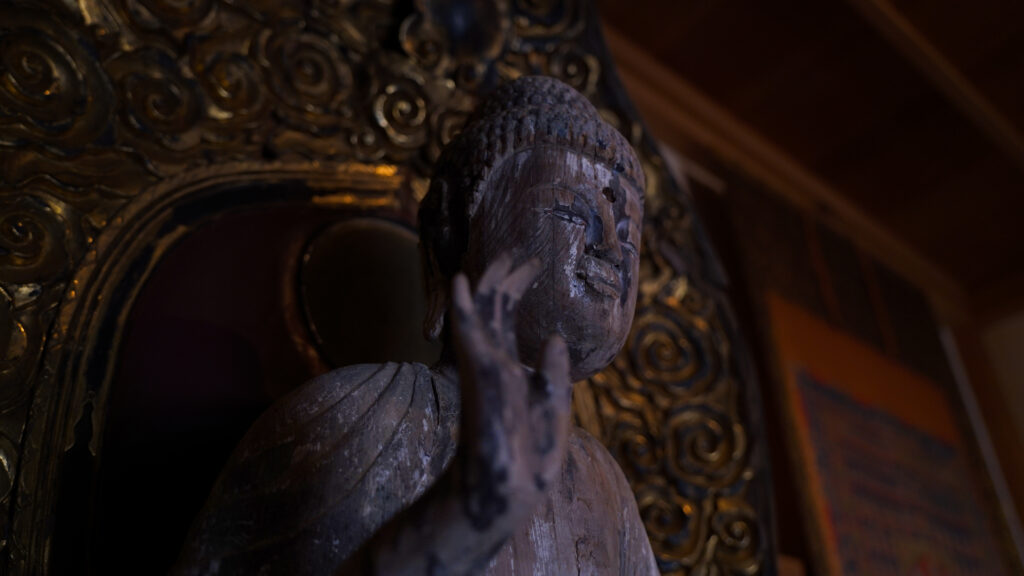
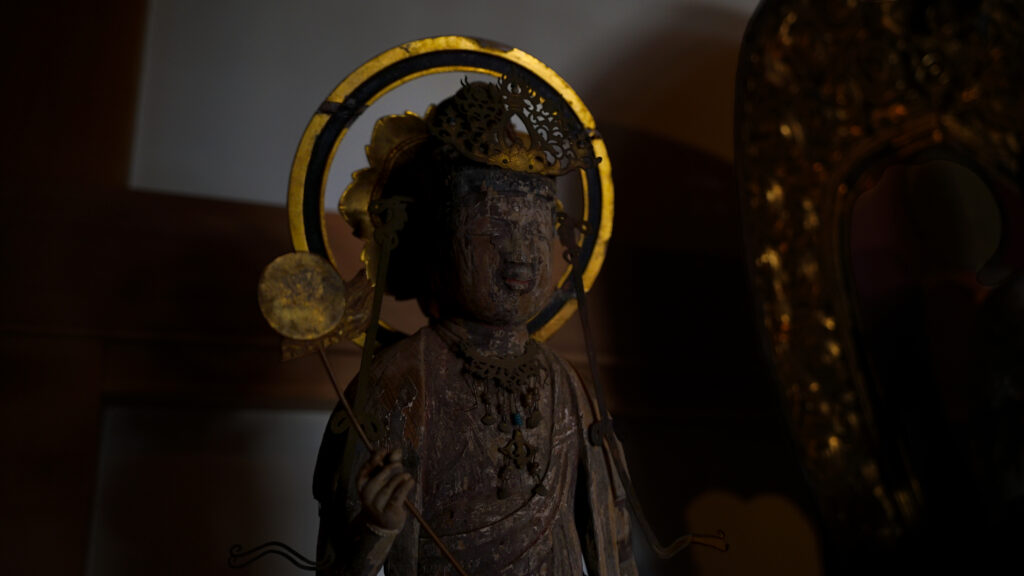
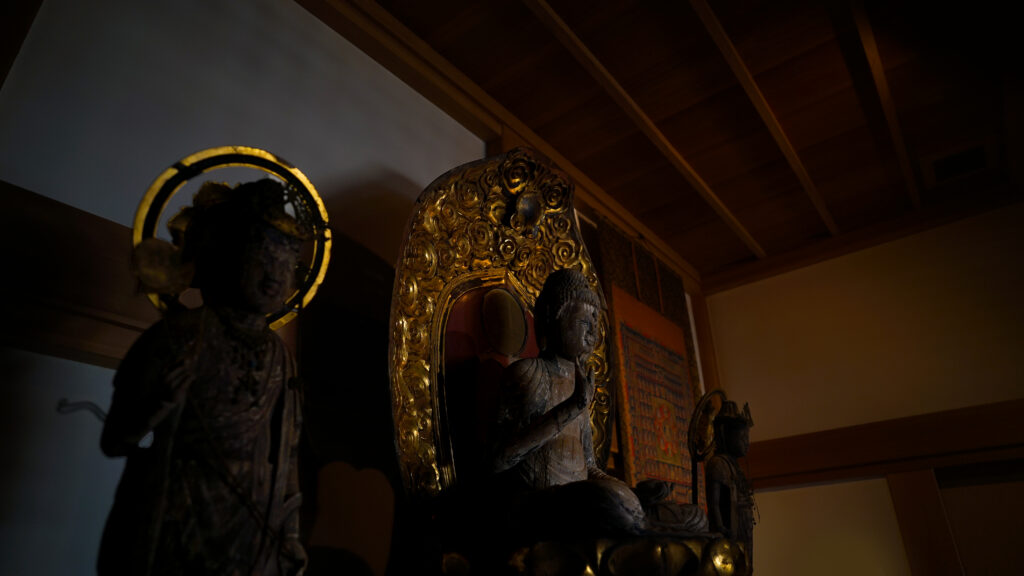
Beautiful principal images and Buddhist statues from each temple gathered from branch temples
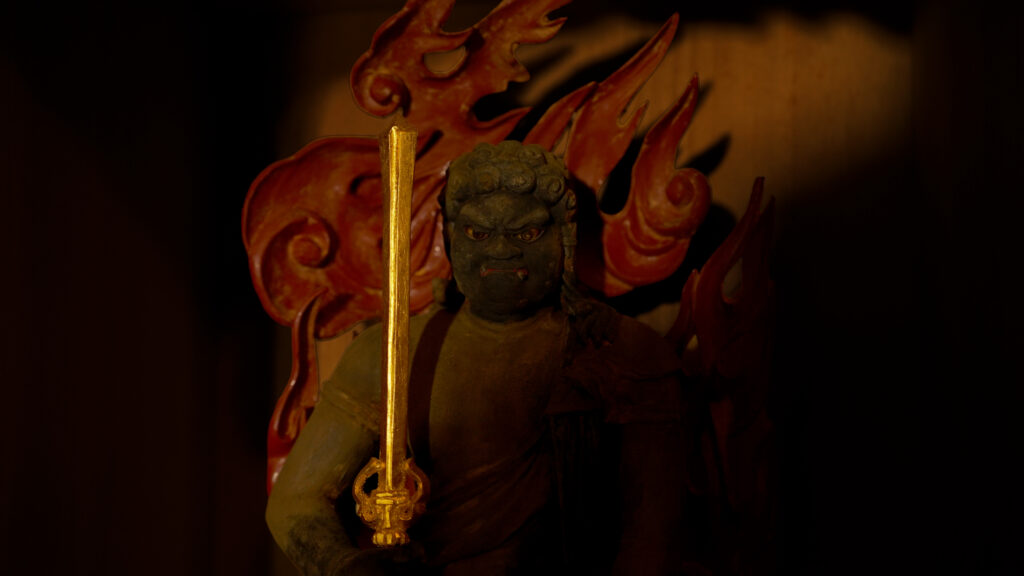
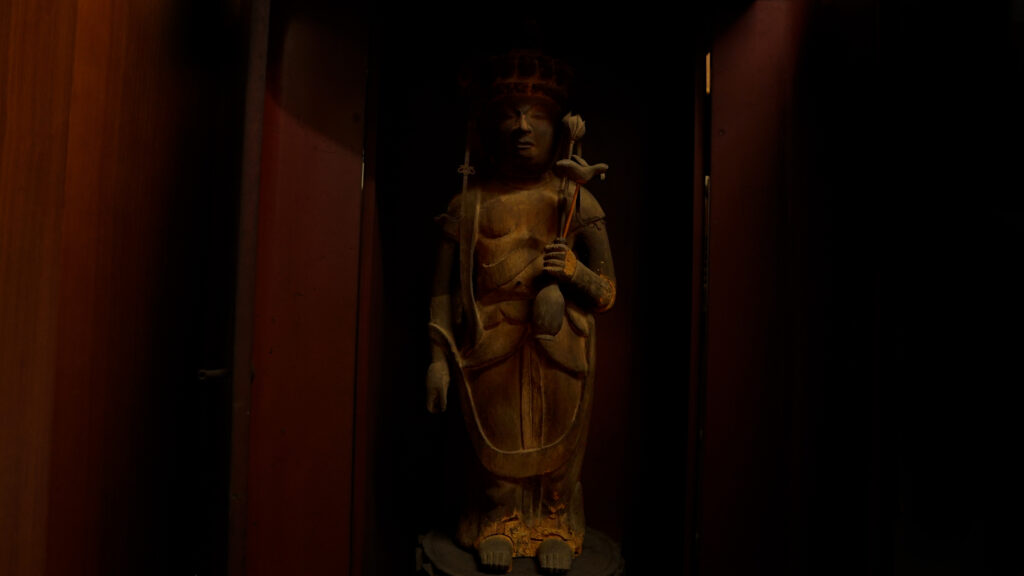
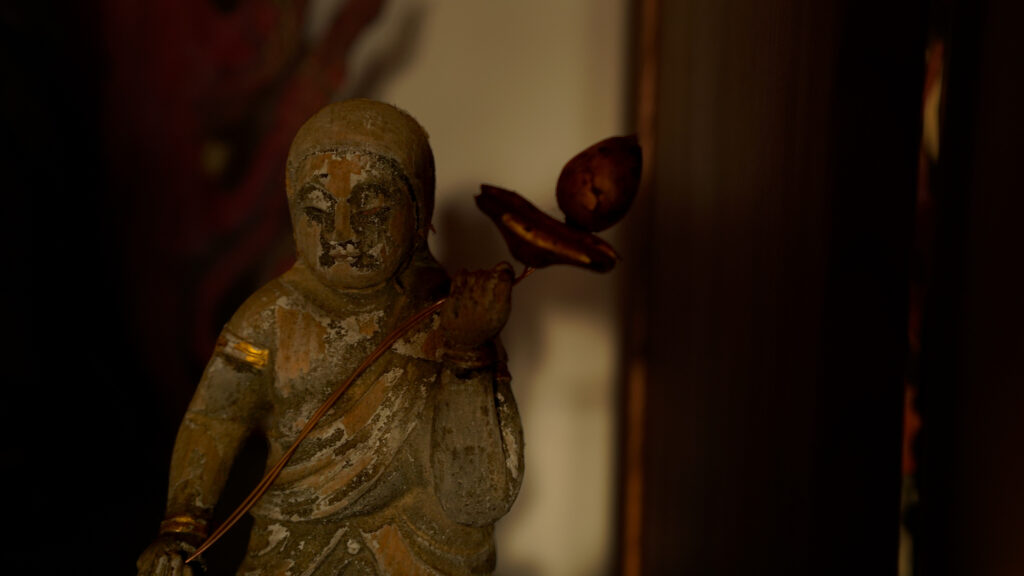
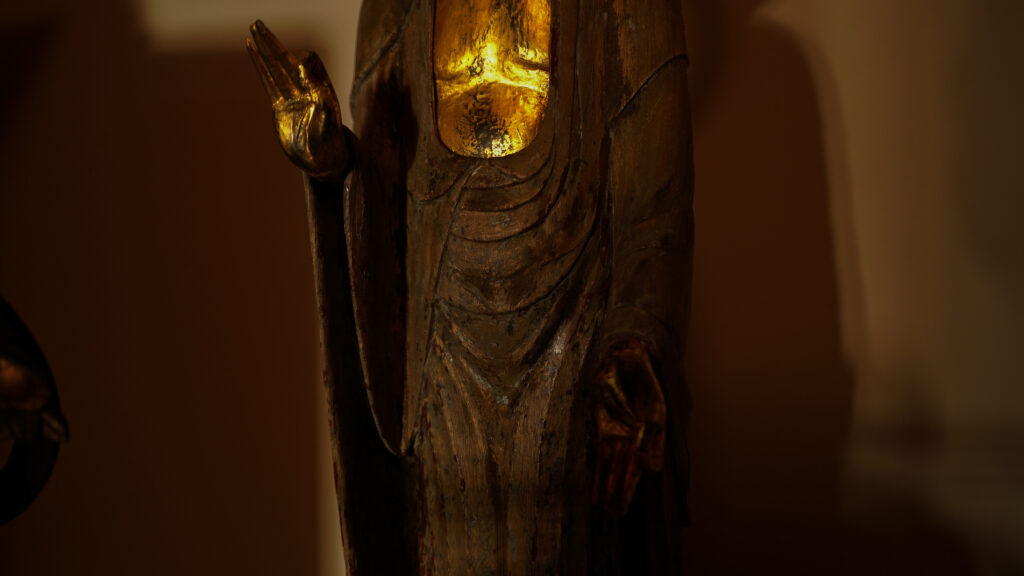
Hokongo-ji Temple: A place where the local community is connected and people and Buddhist statues live side by side
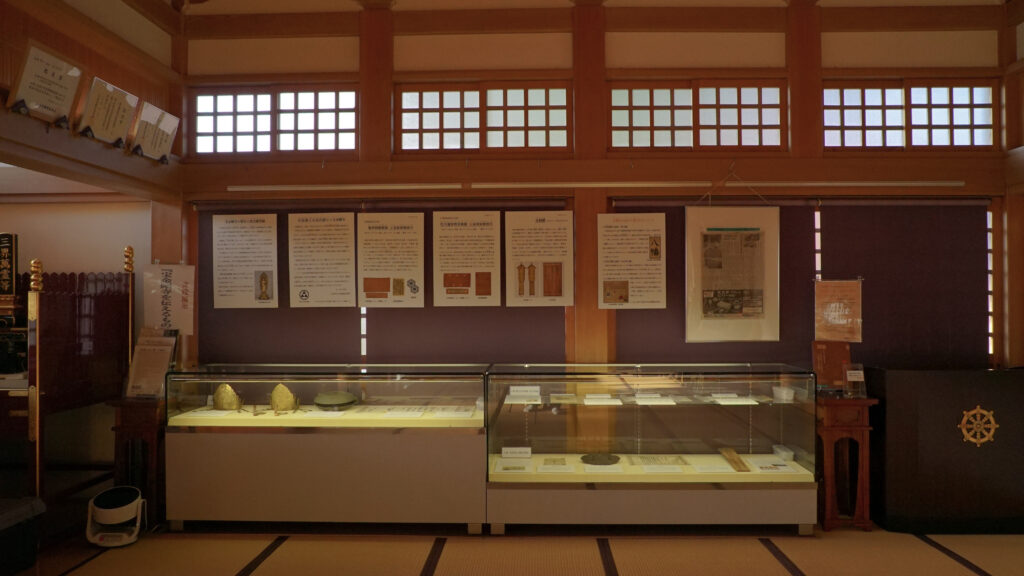
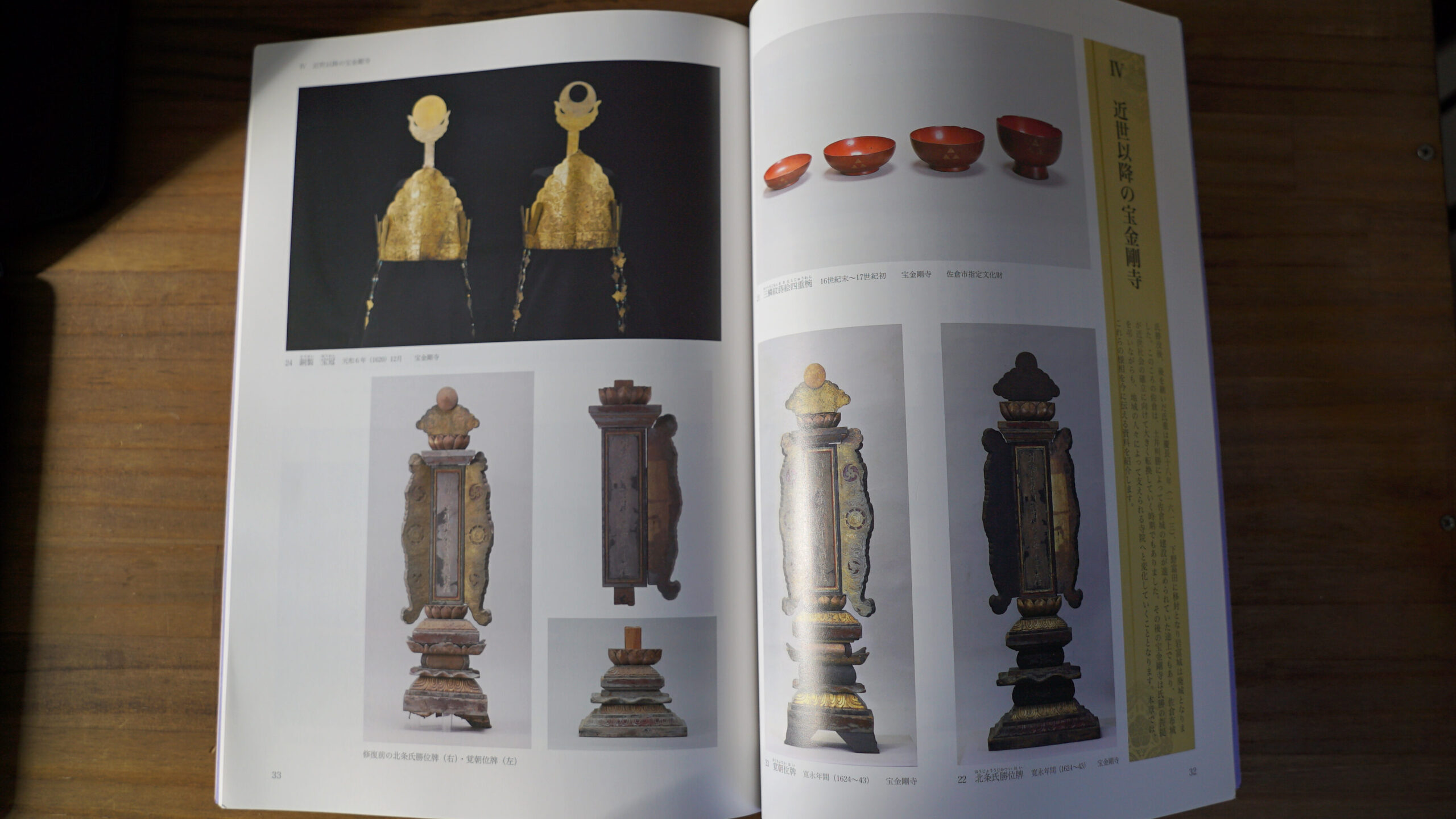
Exhibits at Hokongo-ji Temple
Valuable Buddhist statues and temple treasures are carefully preserved and exhibited. They are highly valued as works of art and carefully convey the history and thoughts of the people of that time.
Goods, catalogs, etc.
They also sell goods such as “original tenugui” hand towels, “Mukuroji amulets” and “Mukuroji eco bags” made from the temple’s symbolic tree, the Mukuroji, as well as an in-depth illustrated catalog.
Information about Hokongo-ji Temple
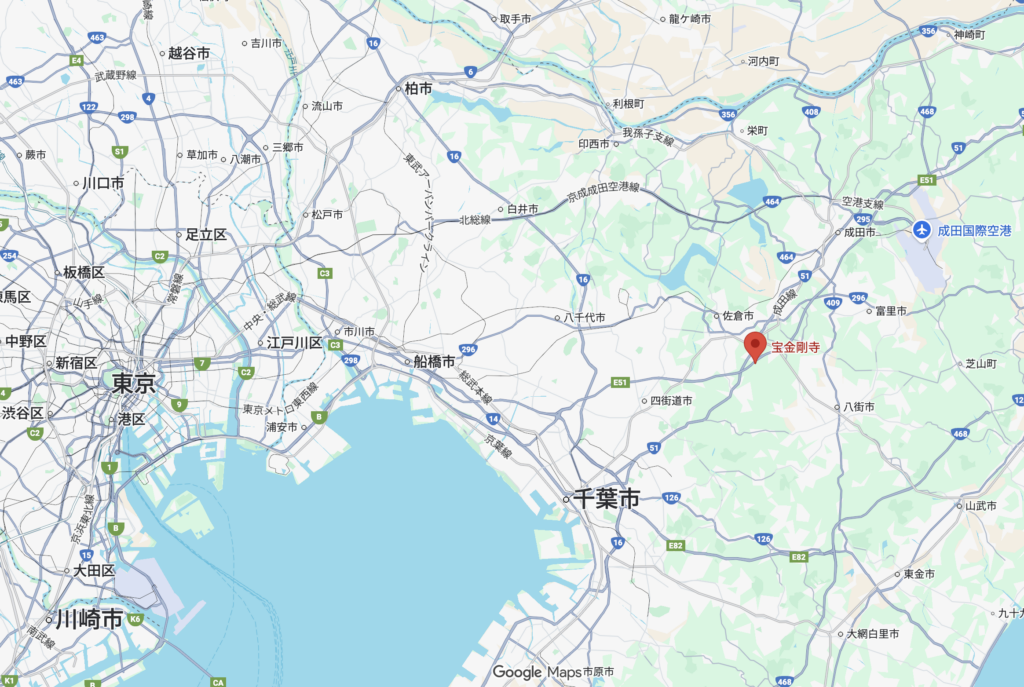
38-1 Naoya, Sakura City, Chiba Prefecture, 285-0065
https://maps.app.goo.gl/owTevSB2eH1VxUxB6
[Established] 1203
[Temple Stamp] Available (please speak to the head priest directly if you require one)
[Access] Approximately 35 minutes on foot from Minami-Shisui Station on the JR Sobu Main Line, approximately 6 minutes by taxi, or approximately 8 minutes from Sakura IC or Shisui IC on the Higashi-Kanto Expressway
[Parking] Available
[Opening Hours] 8:00 AM – 4:00 PM
[Phone Number] 043-498-2515
[Admission Fee] Donation
[Viewing the Buddhist Statues] Viewing is permitted outside the hall at any time. Those wishing to view the statues and exhibits inside the hall must contact the temple in advance.
[Blog]https://houkongouji.blog.fc2.com/
A word from the author
I strongly felt the chief priest’s deep affection for the Buddhist statues.
There are various reasons why Buddhist statues from branch temples are transferred to the main temple, including “a lack of funds to continue the temple,” “an inability to maintain the funds and environment to safely care for and maintain the statues,” and “risk of theft.”
At Hokongo-ji Temple, the Buddhist statues are carefully managed so that they will be passed down to future generations. They are not merely objects of worship, but are recognized as cultural assets and important clues to understanding history, and are protected and passed down.
Maintaining and caring for temples and Buddhist statues will likely become increasingly difficult in the future. That is why I sincerely hope that more “places where Buddhas can be close” will be created, and that more Buddhist statues will be preserved for future generations.
At Hokongo-ji Temple, I felt reassured that the future of temples and Buddhist statues will be connected to people, ensuring their safe passage into the future.