

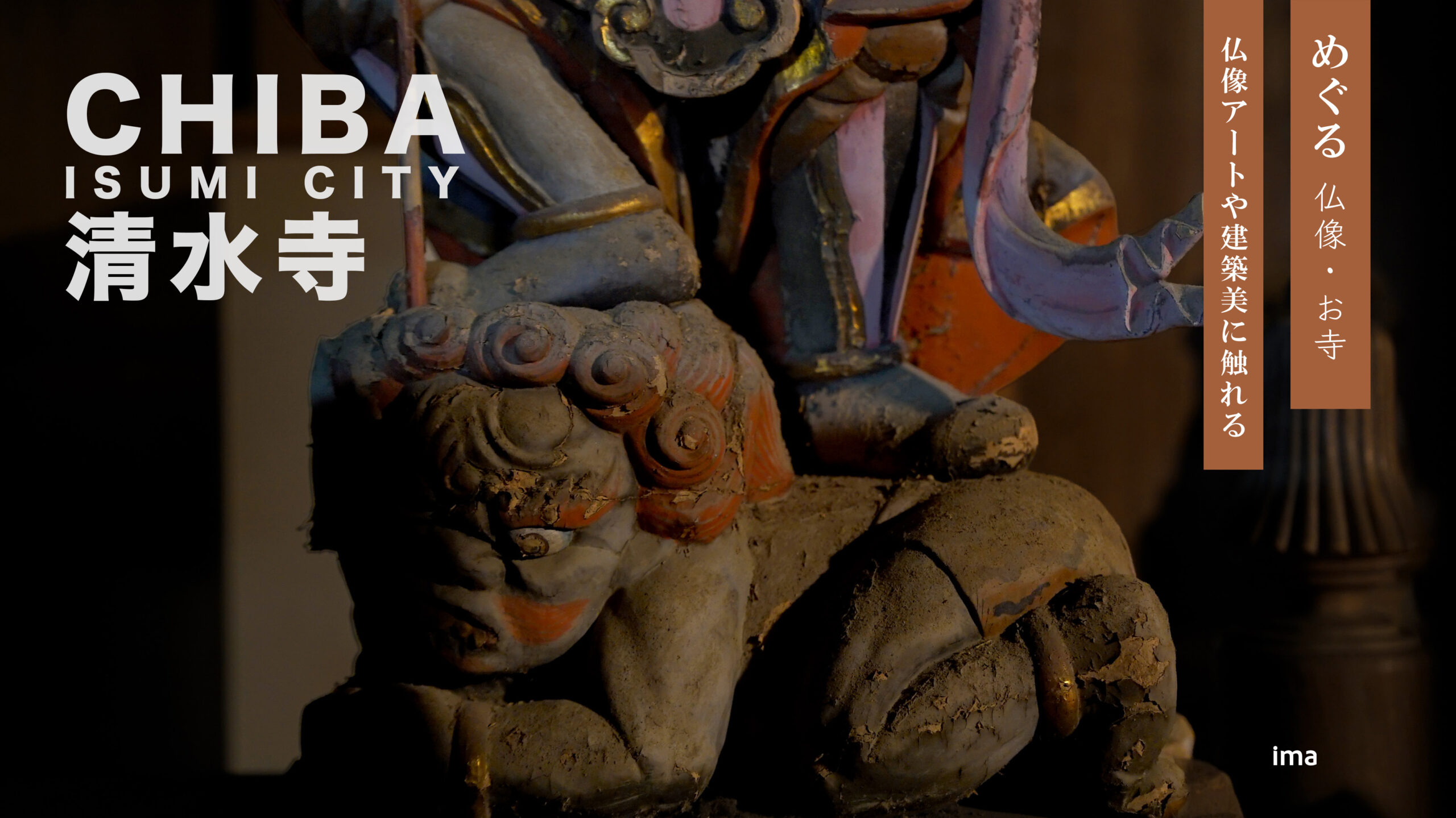
Kiyomizu-dera Temple in Isumi City, Chiba Prefecture, is one of Japan’s Three Great Pure Water Temples. With a history spanning over 1,000 years and surrounded by clear spring water in a lush forest, it’s a space overflowing with negative ions.
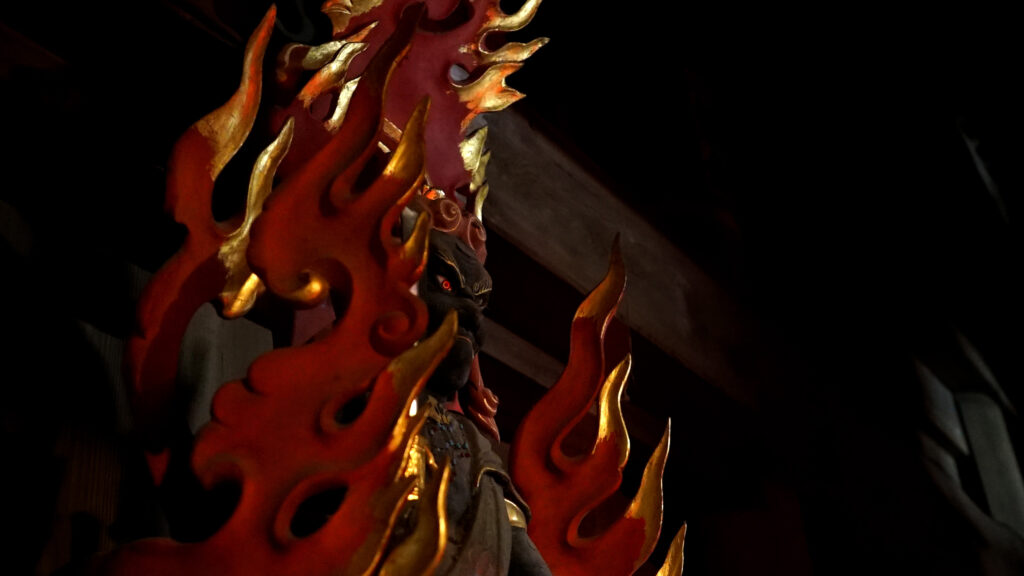
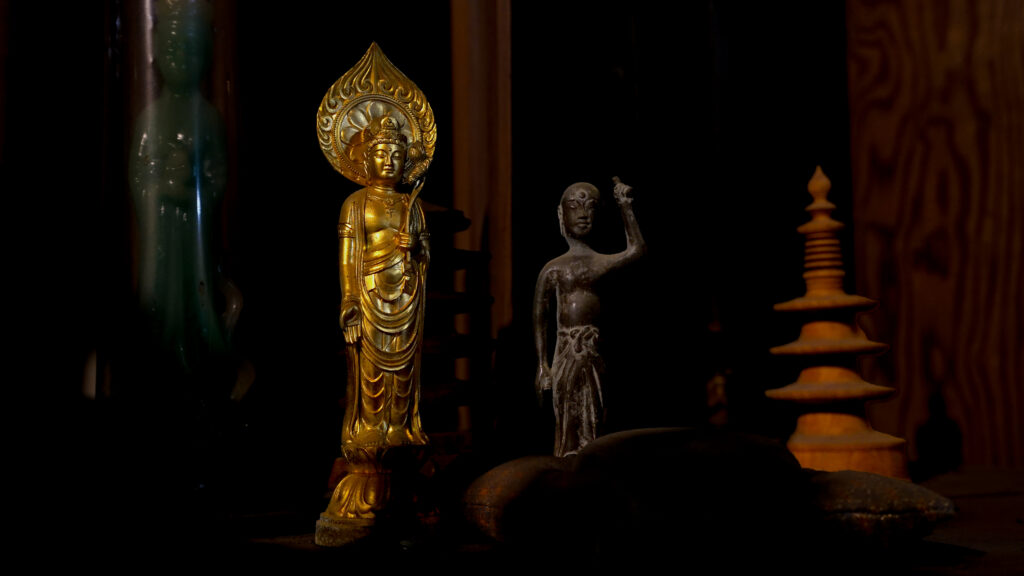
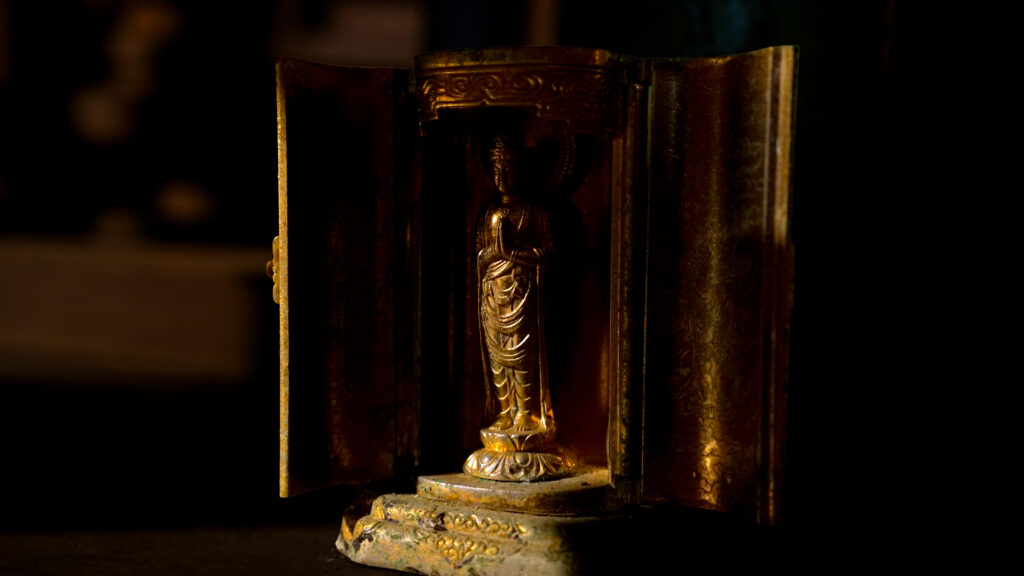
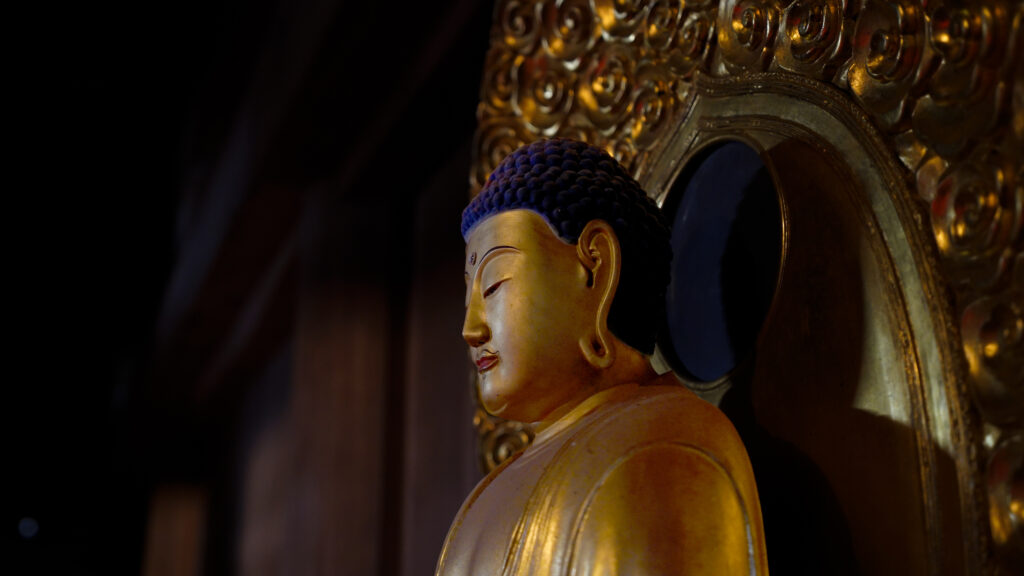
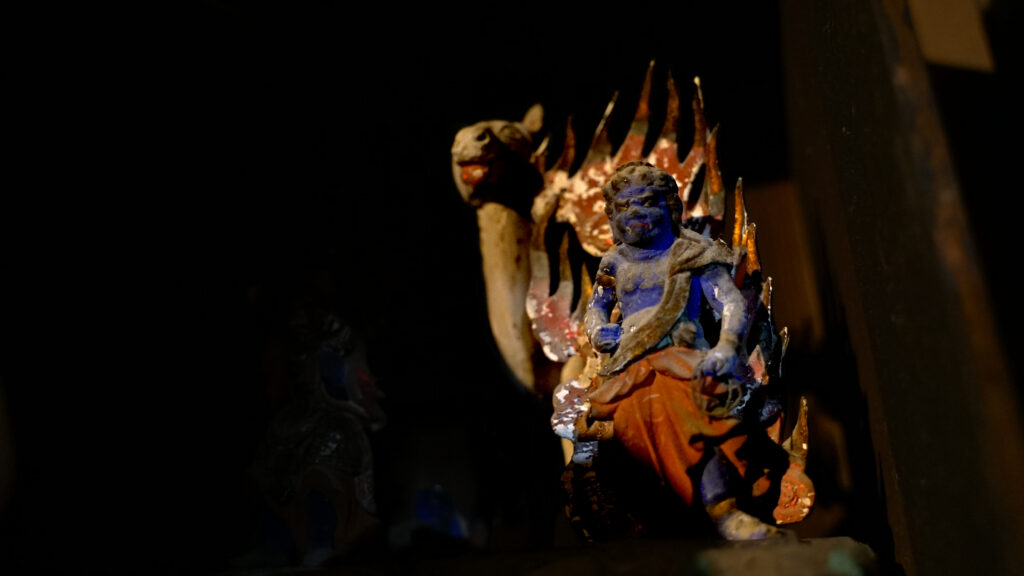
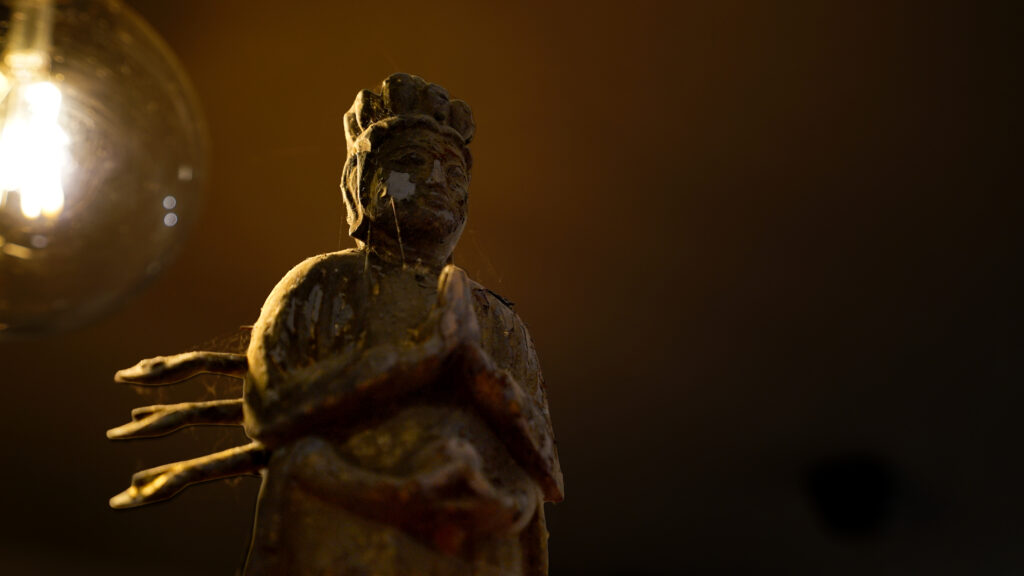
It boasts one of the largest collections of Buddhist statues in Chiba Prefecture, featuring a variety of beautiful Buddhist statues created in the Kamakura and Heian periods, including the Thousand-Armed Kannon Bodhisattva, the Twenty-Eight Devas, the Eleven-Headed Kannon Bodhisattva, the One Hundred Kannon Bodhisattva, the Four Heavenly Kings, the Wind God and Thunder God, and Nio statues.
New Buddhist statues are still being discovered, so you may find something new every time you visit.
The secret principal image, the Thousand-Armed Kannon Bodhisattva, is open to the public every year on August 9th.

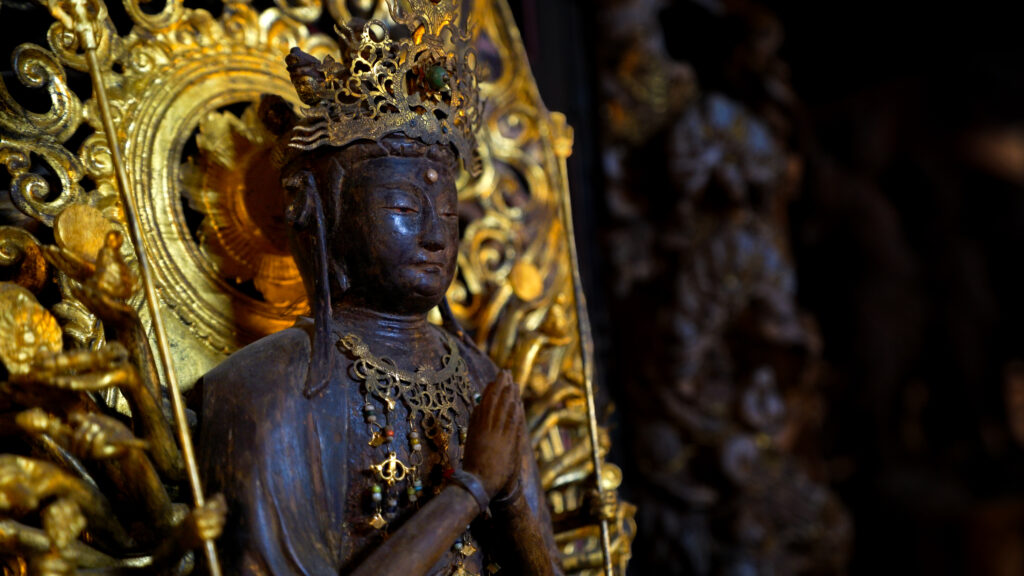
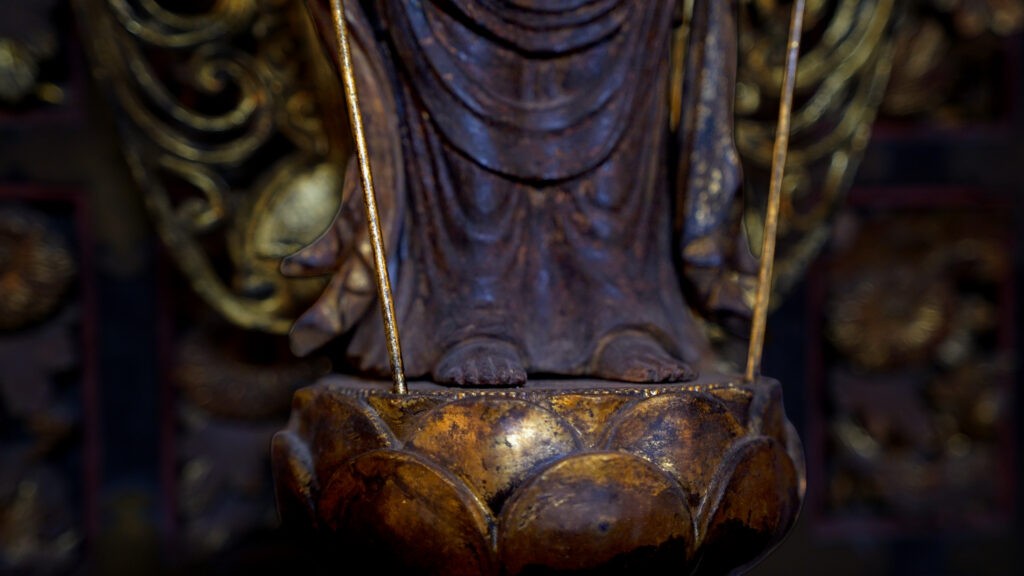
The beautiful front statue of the secret Buddhist principal image, “Thousand-Armed Kannon Bodhisattva” (made in the Kamakura period)
The Gozentate of the secret principal image of Kiyomizu-dera Temple, the Thousand-Armed Kannon Bodhisattva, is beautiful in appearance, evoking both gentleness and strength. (*The Gozentate is an alter ego of the secret principal image that is not usually open to the public.)
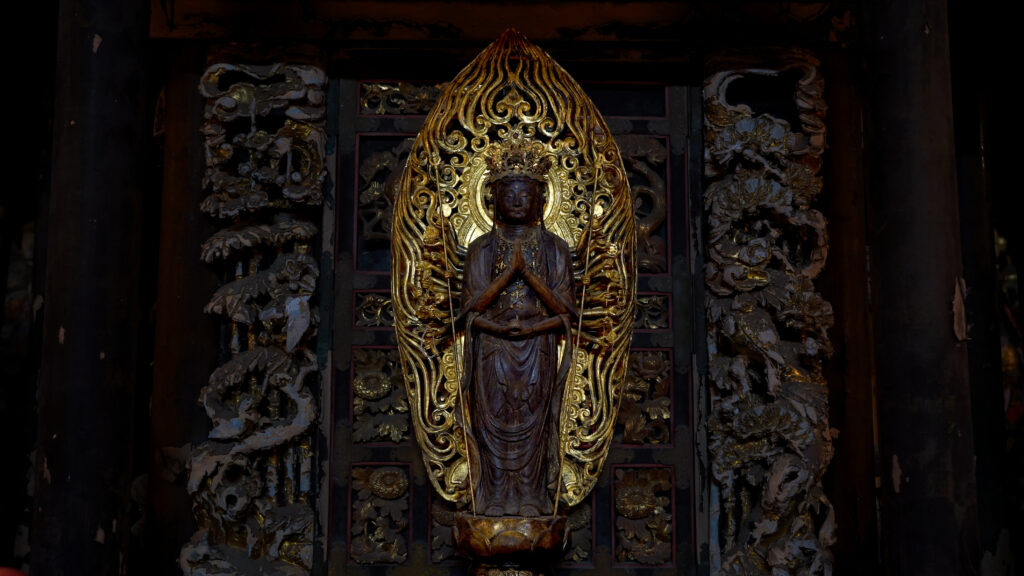
An artistic space filled with the beauty of Buddhist statues, decorated with the “Collection of Twenty-Eight Statues”
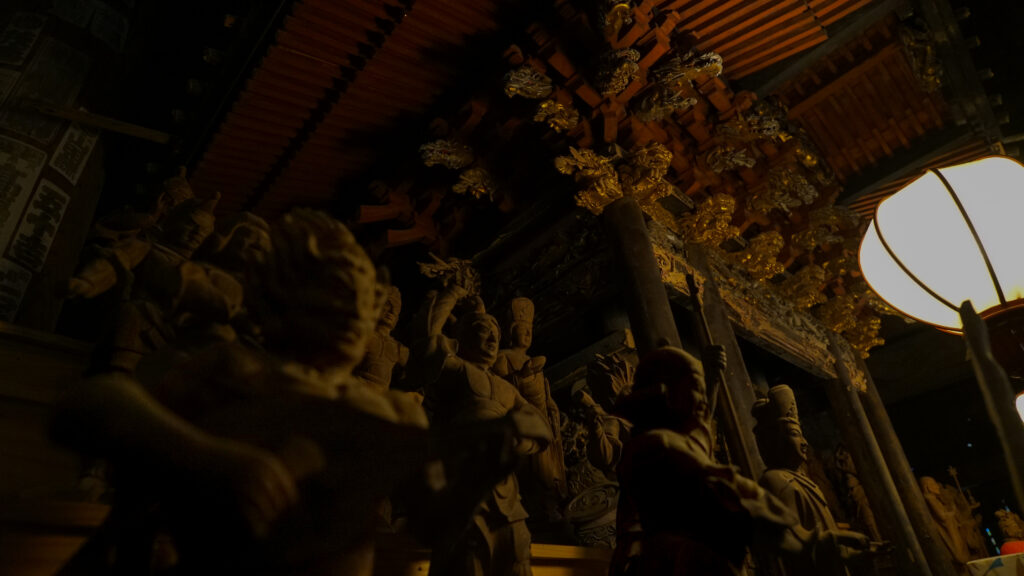
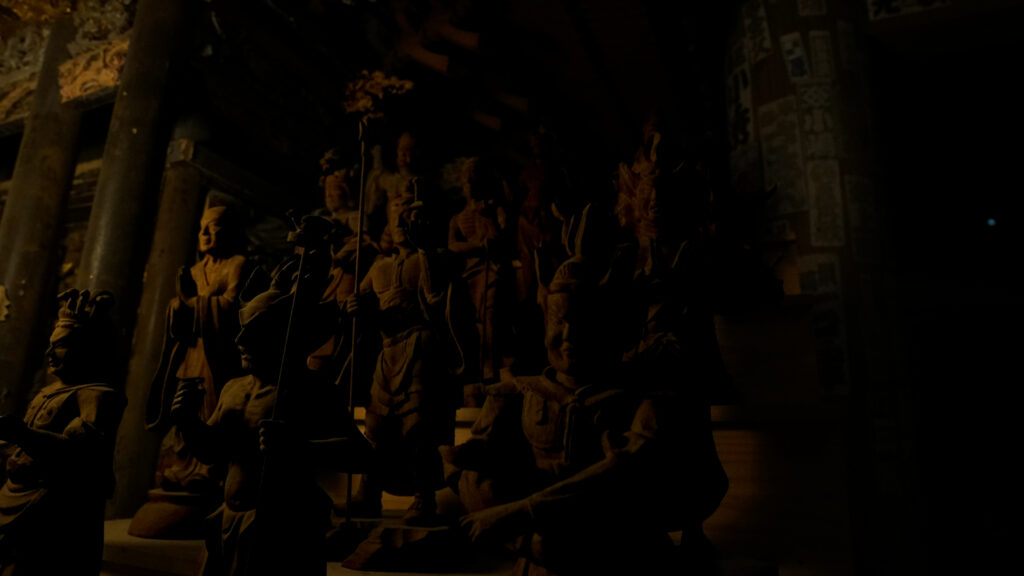
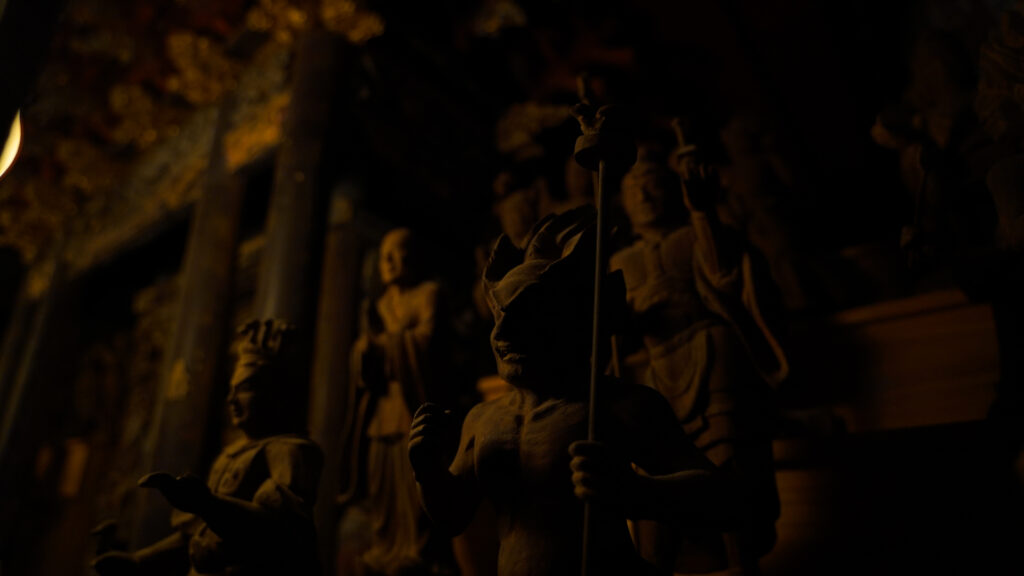
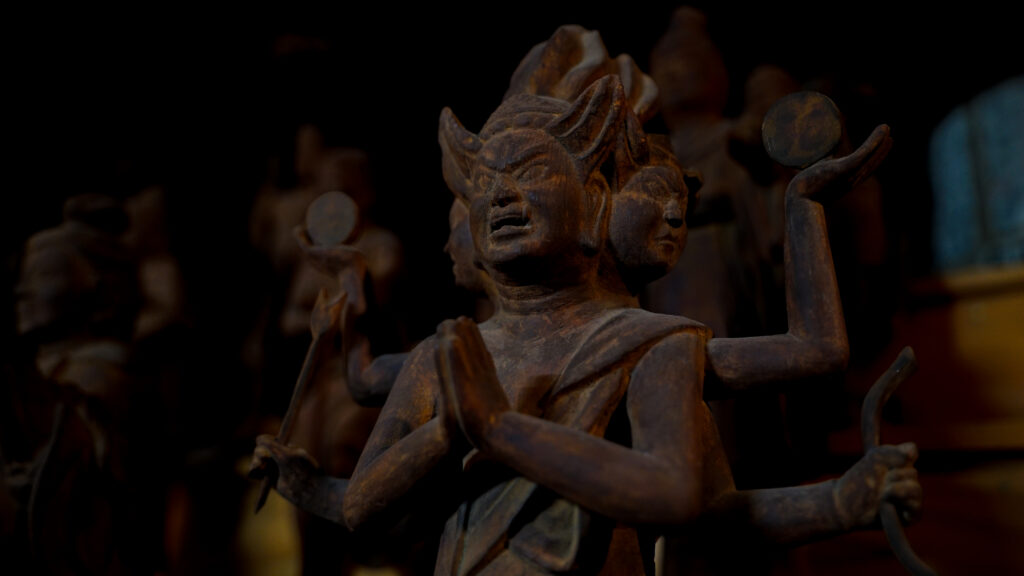
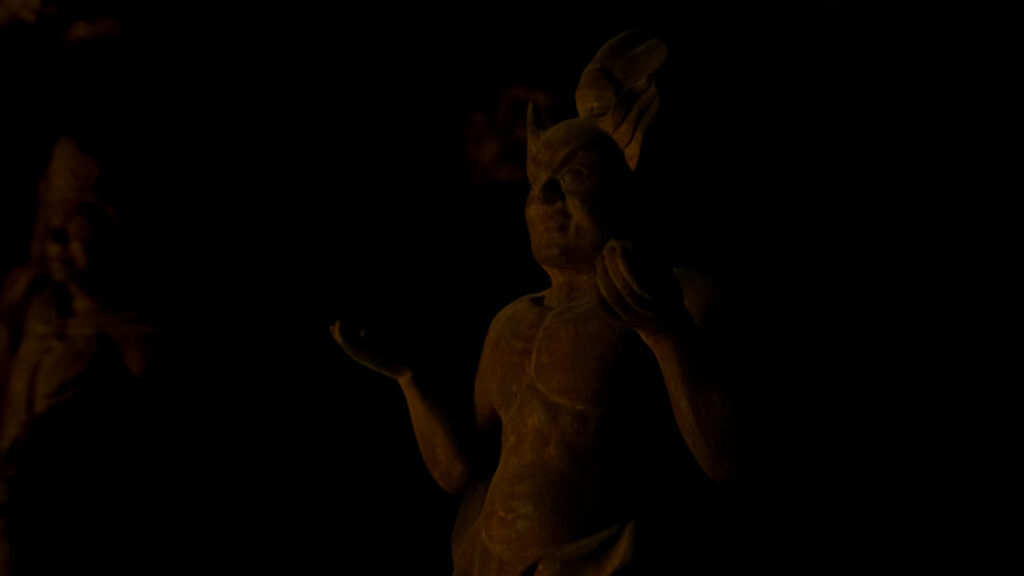
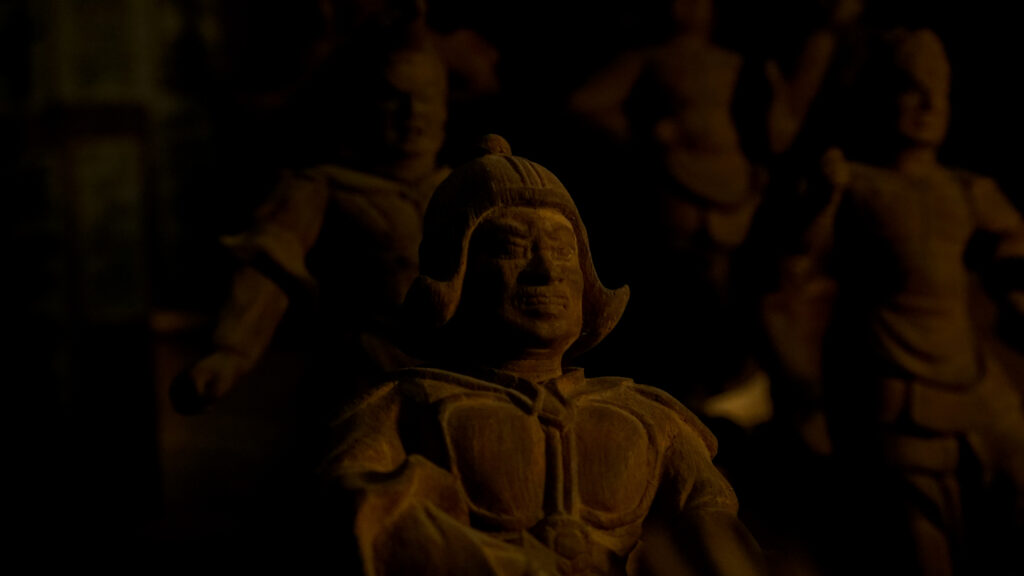
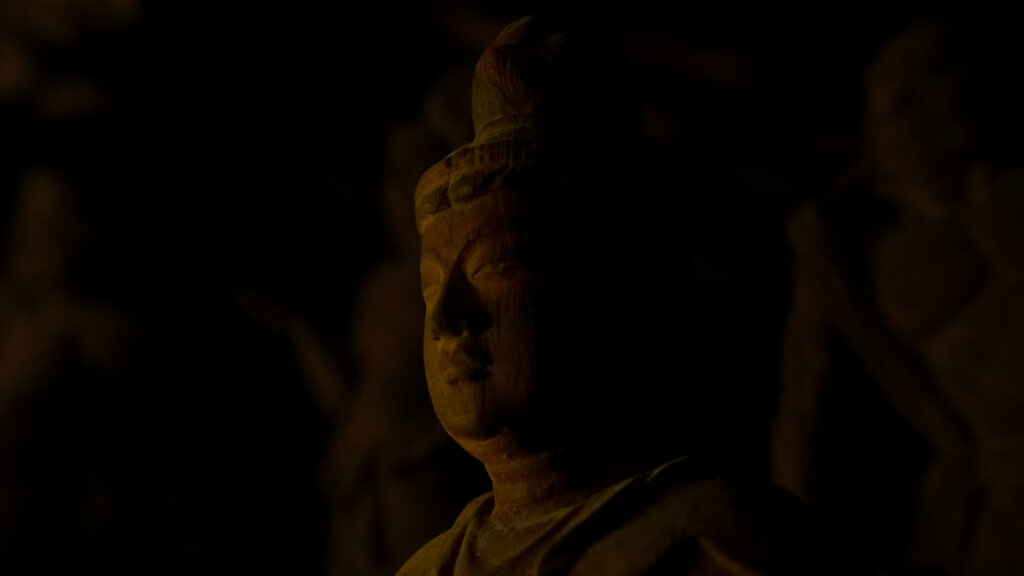
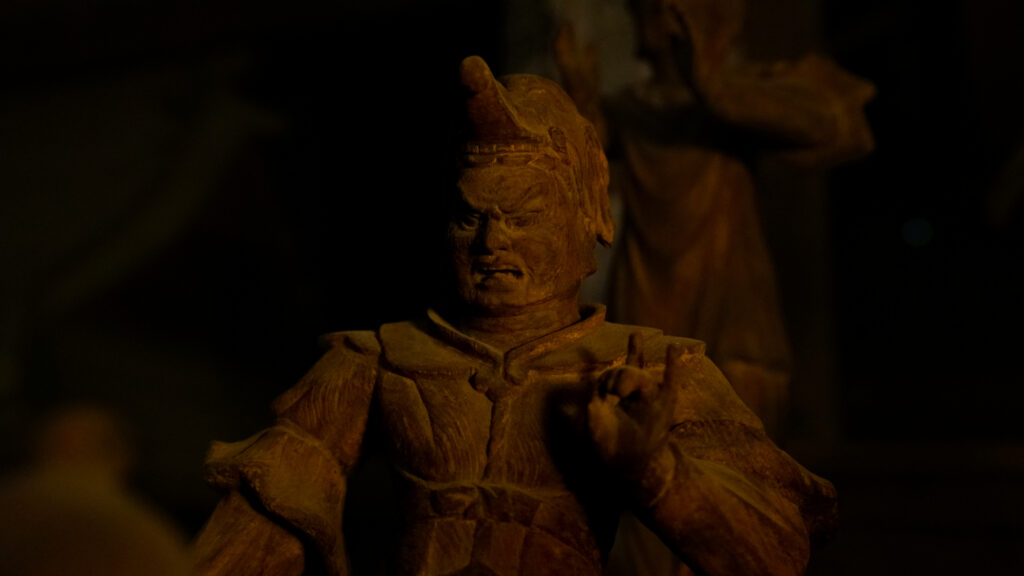
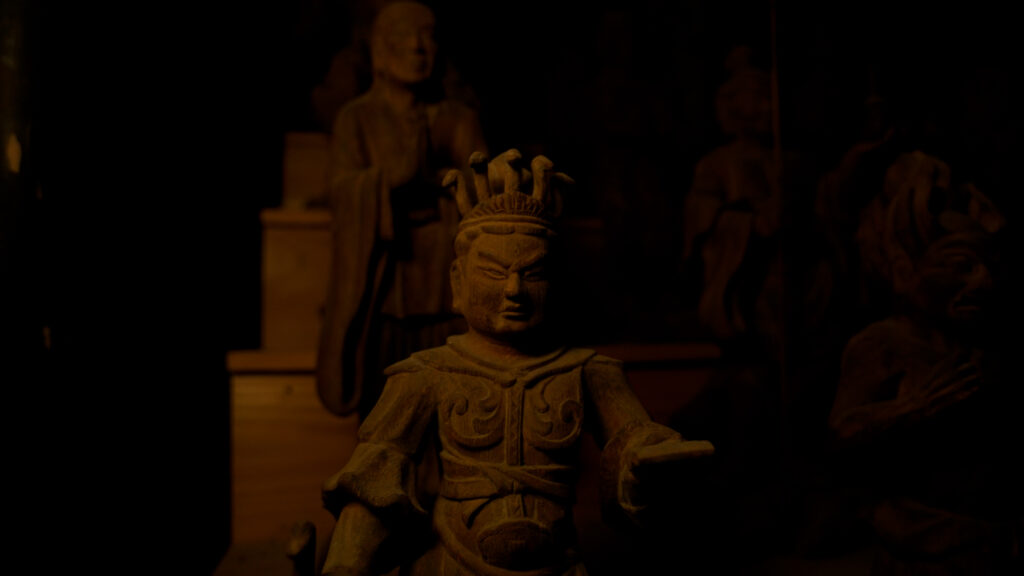
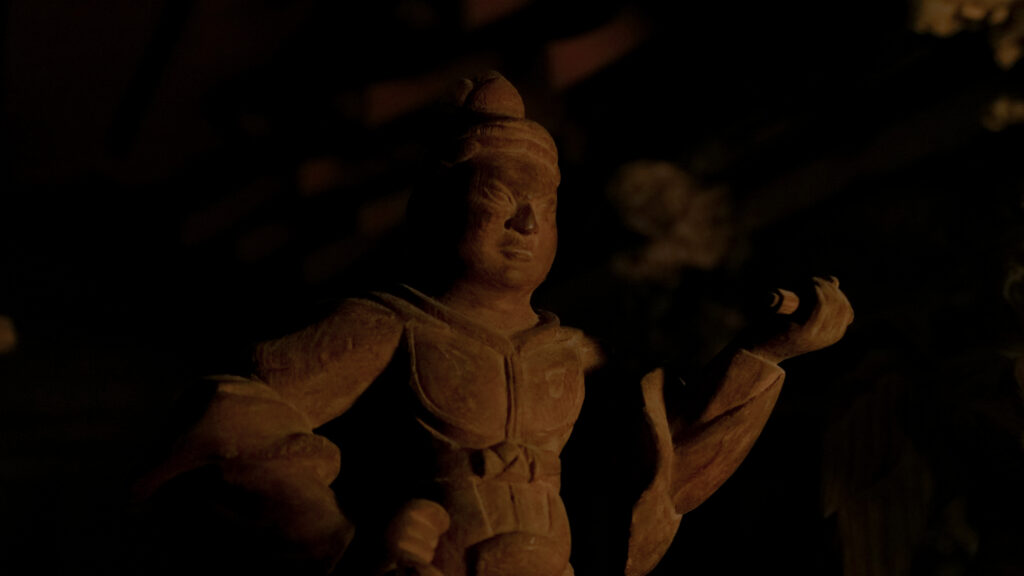
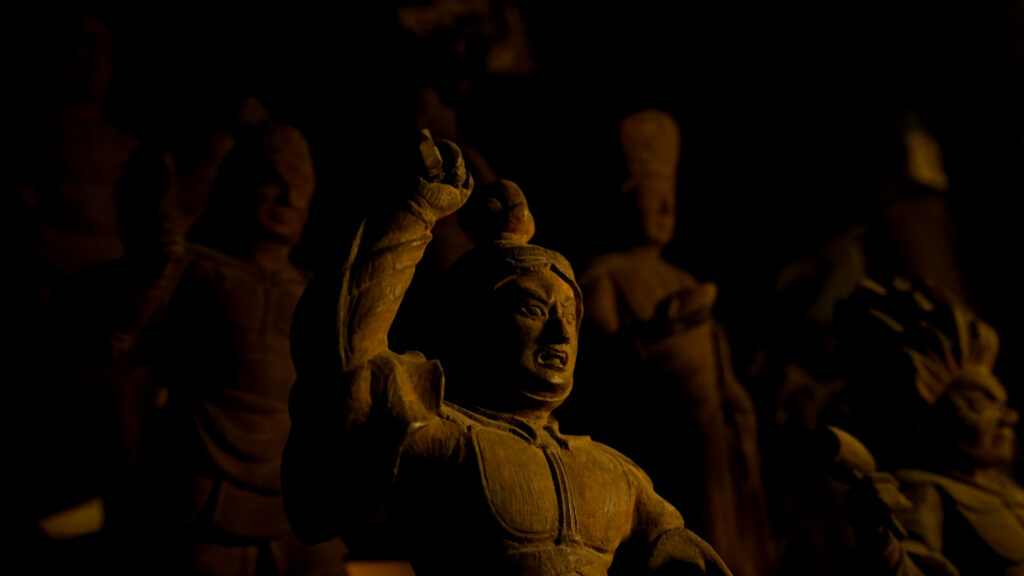
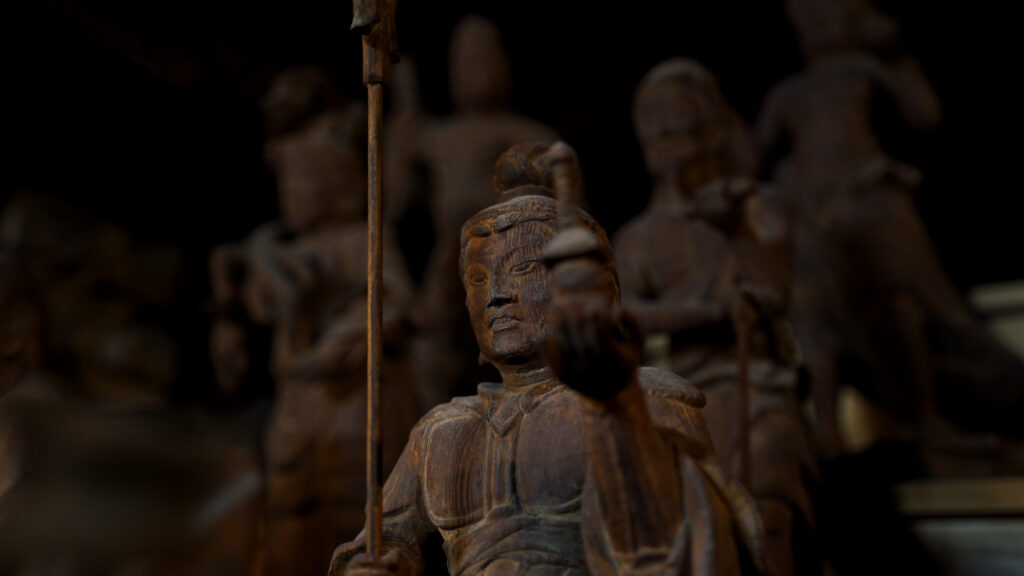
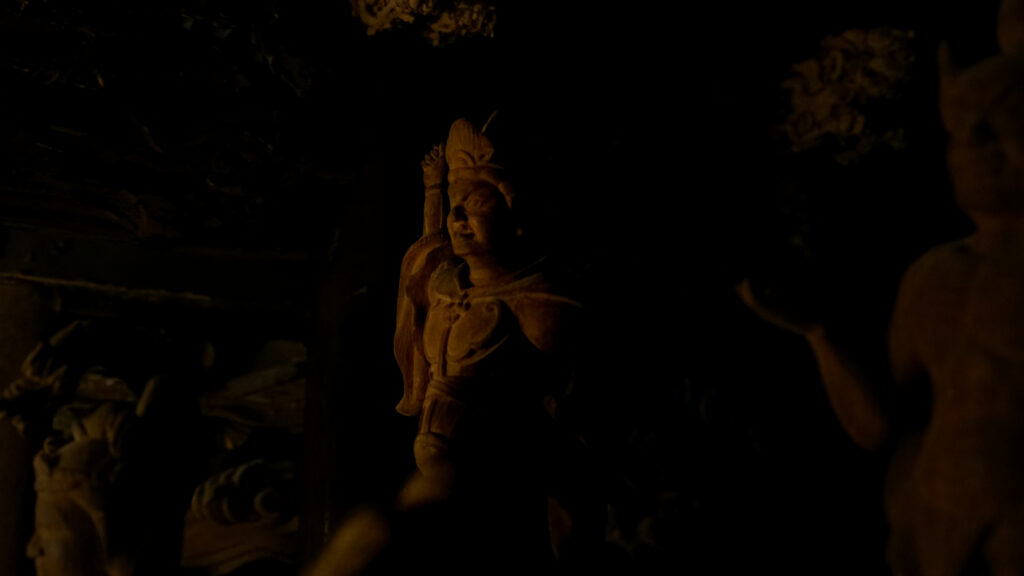
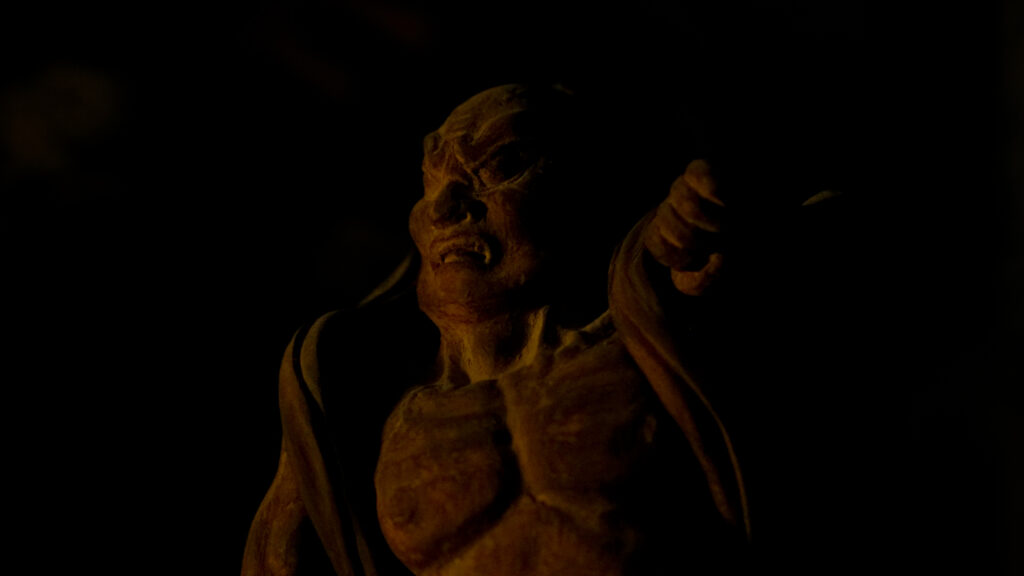
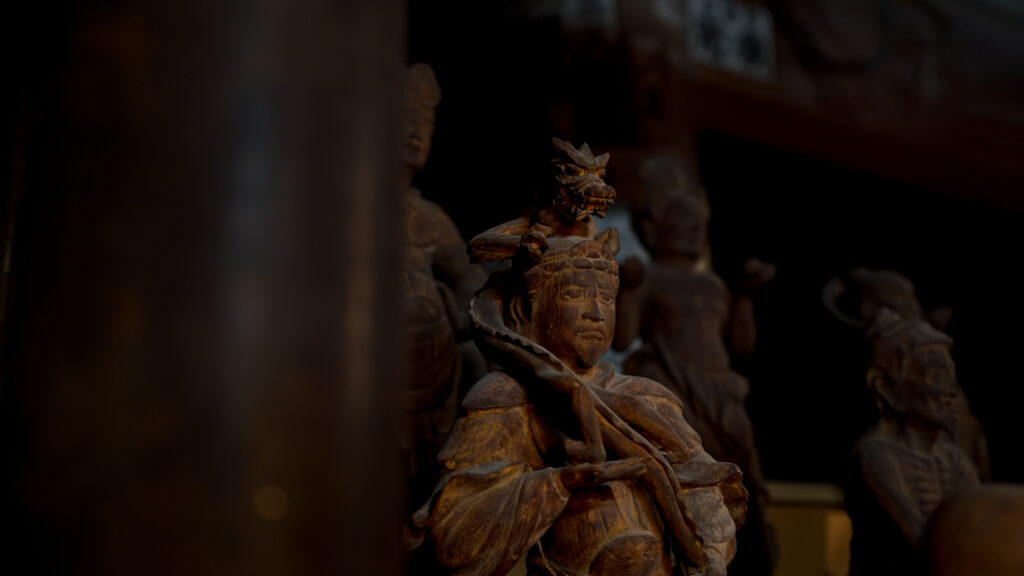
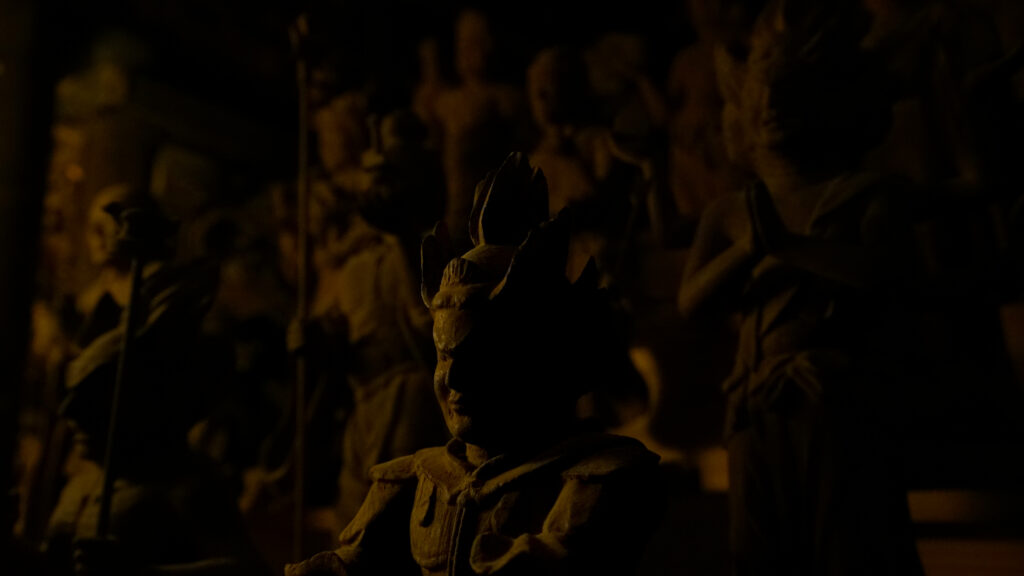
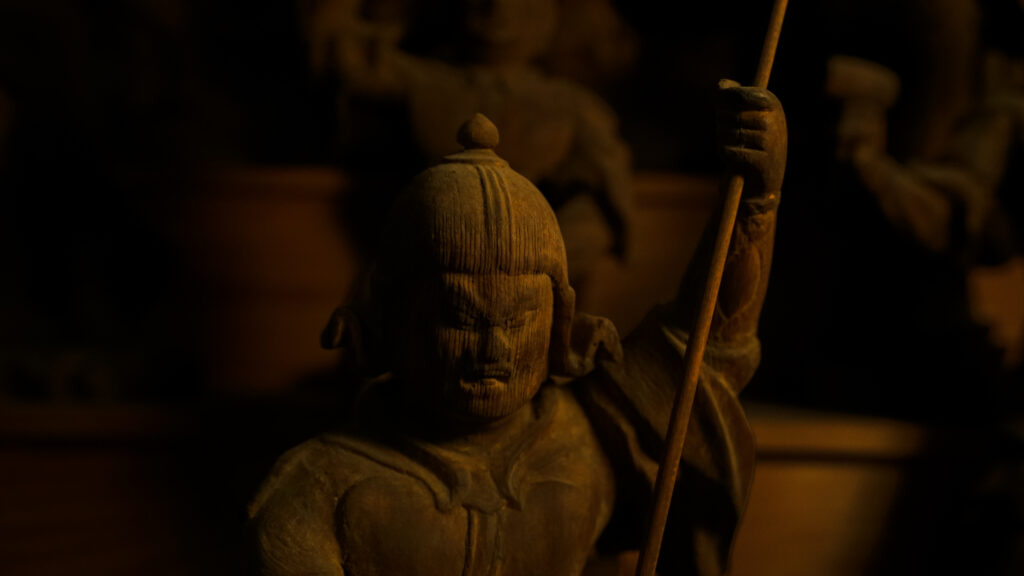
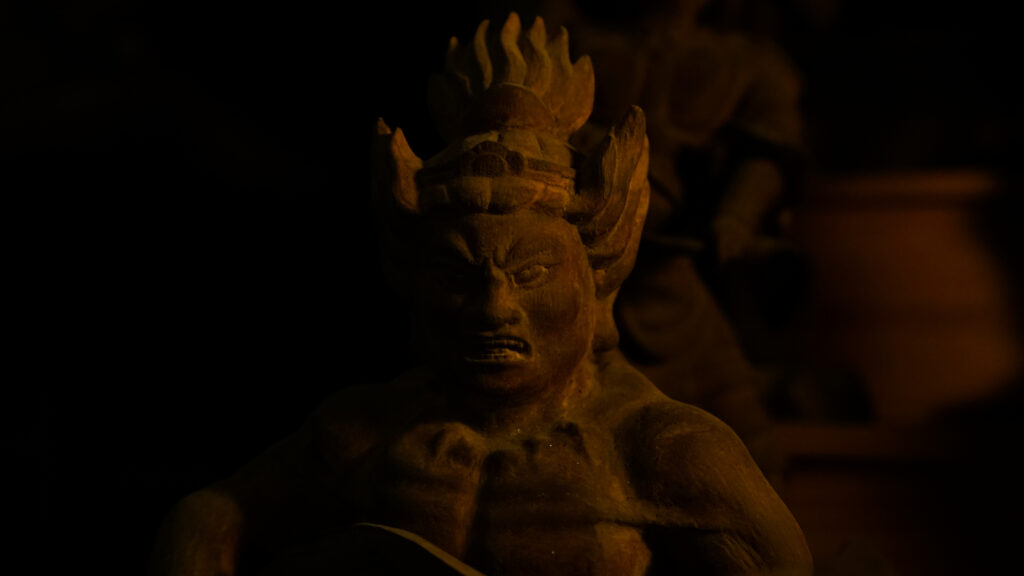
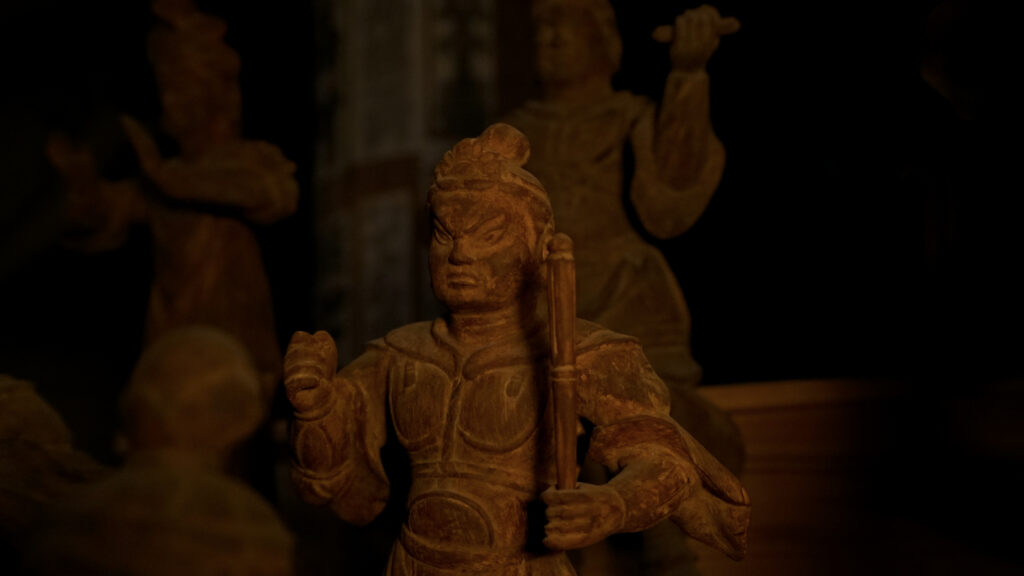
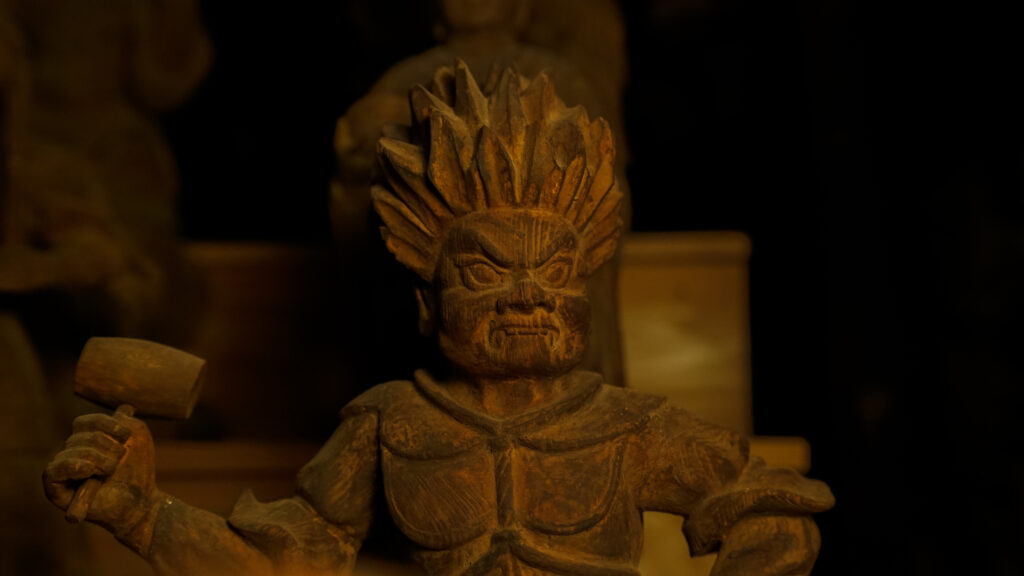
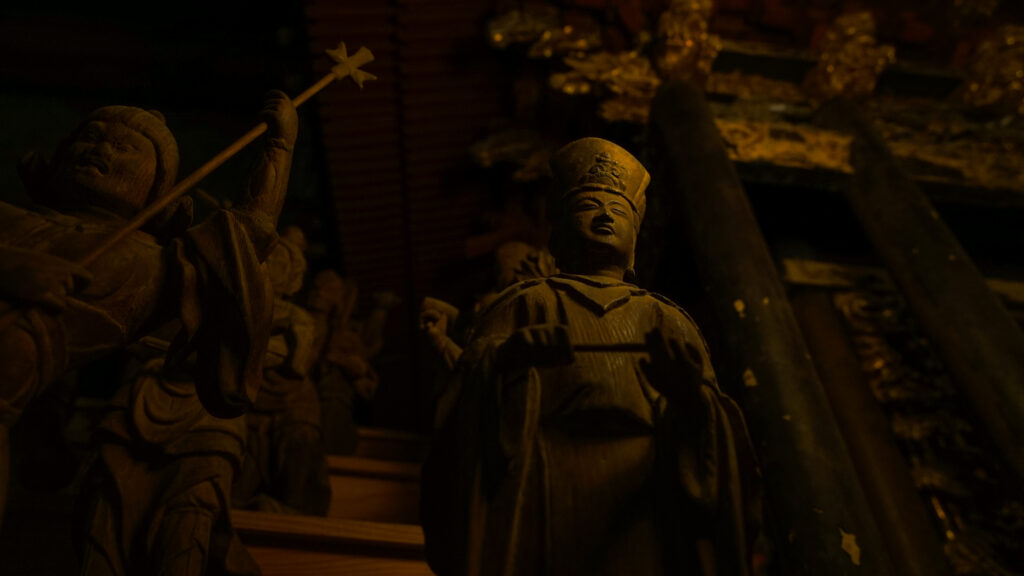
The Four Heavenly Kings Guarding Kiyomizu-dera Temple and a Crushed Demon
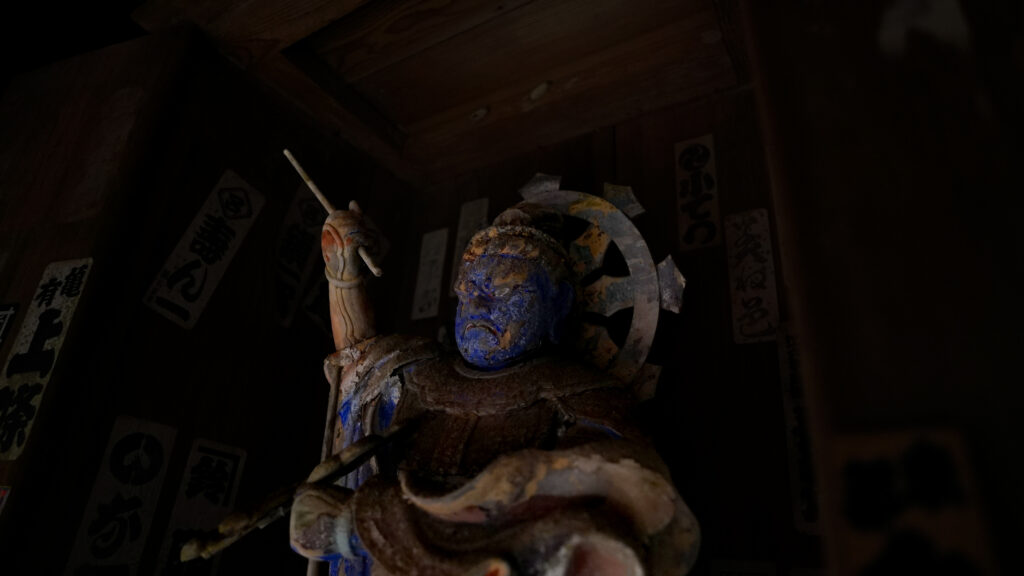
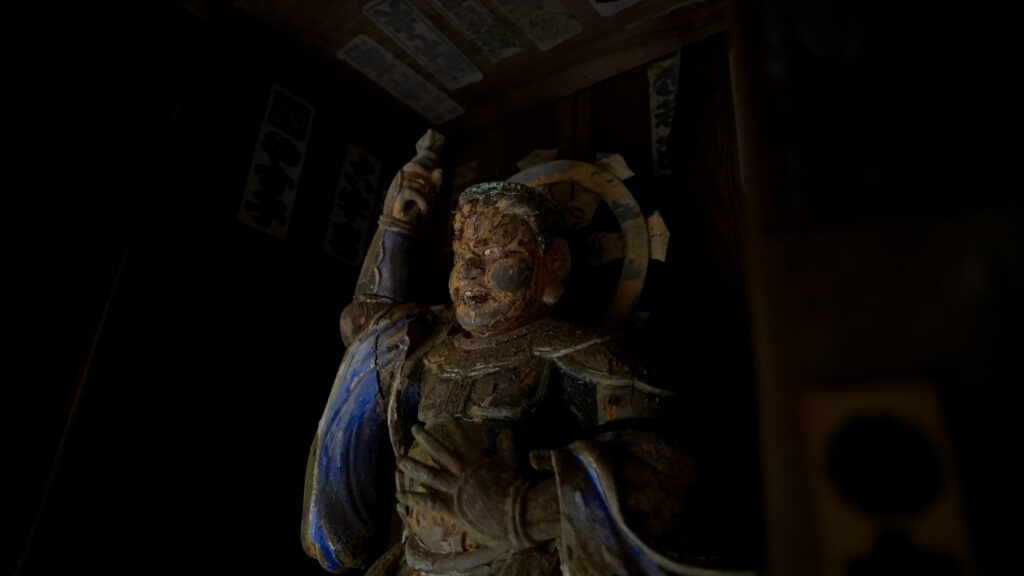
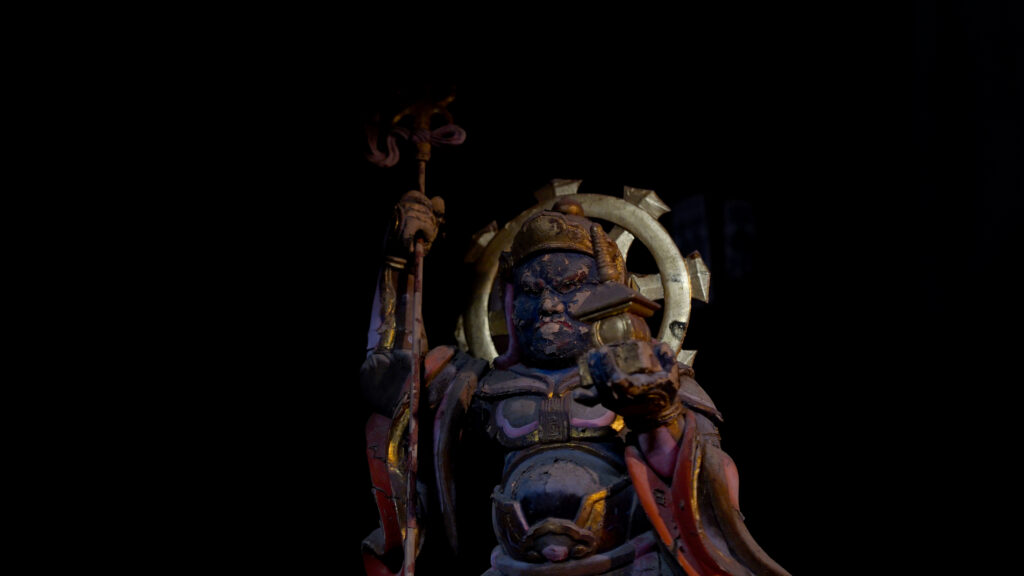
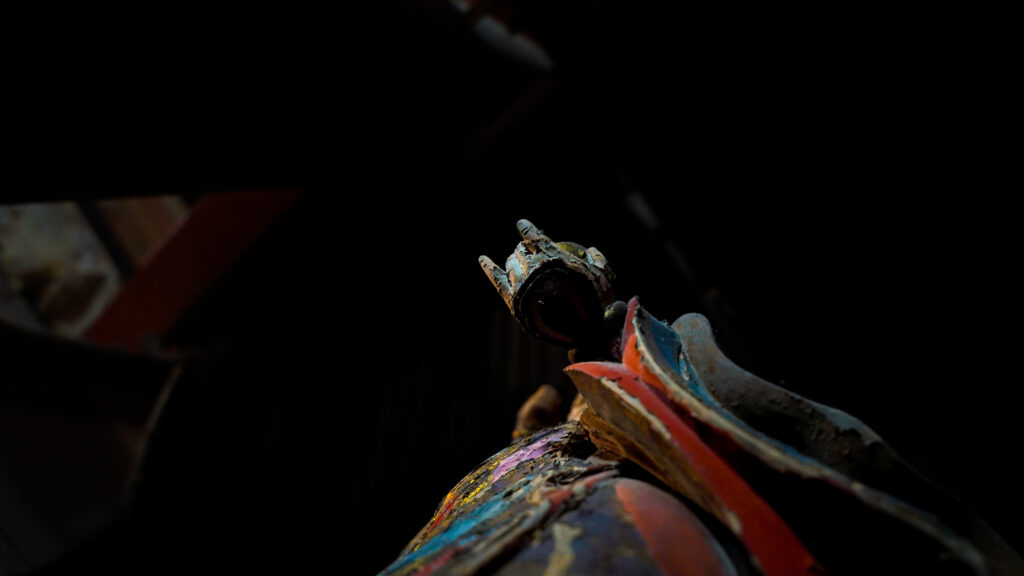
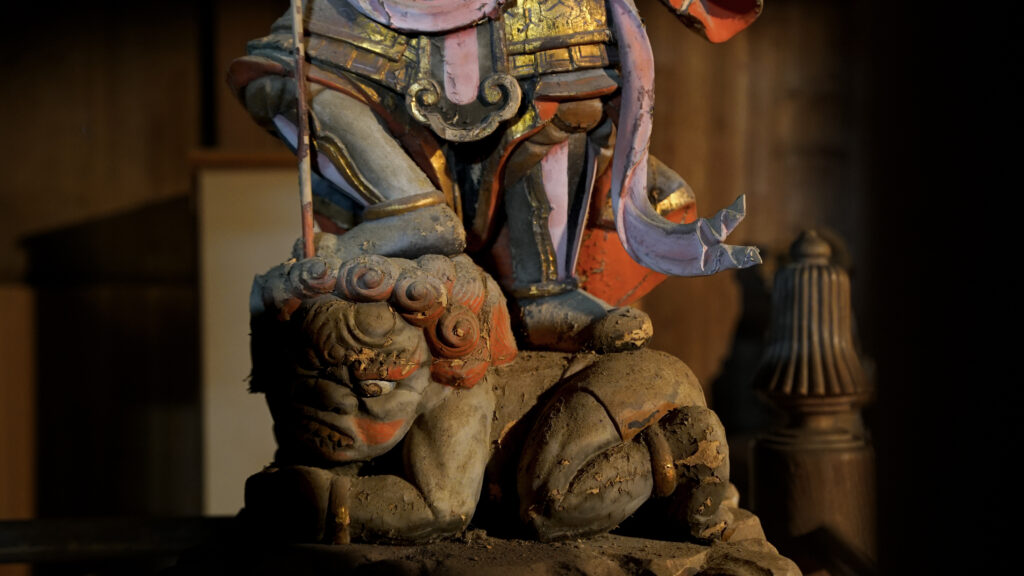
A hidden shrine reveals history and beautiful art
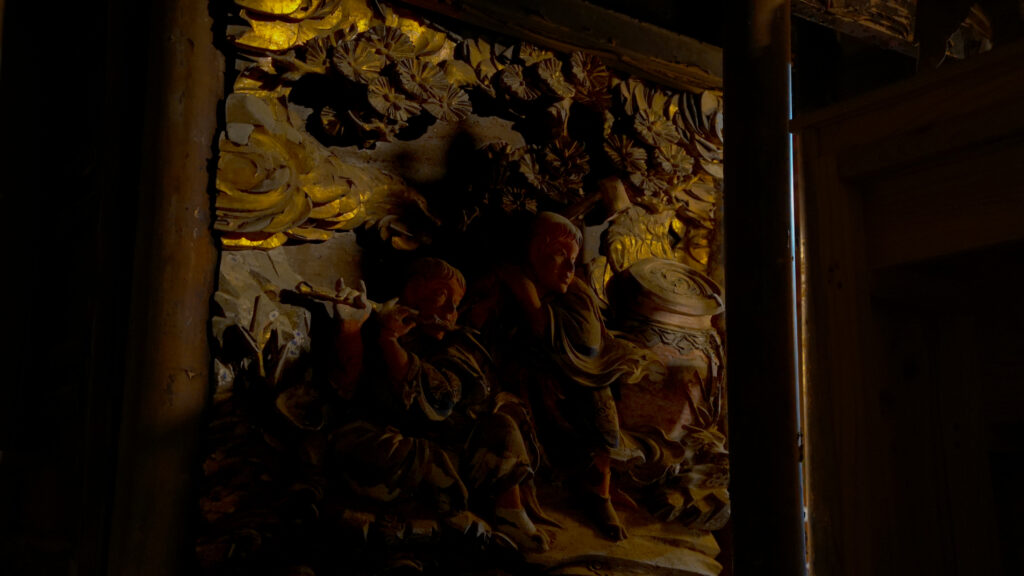
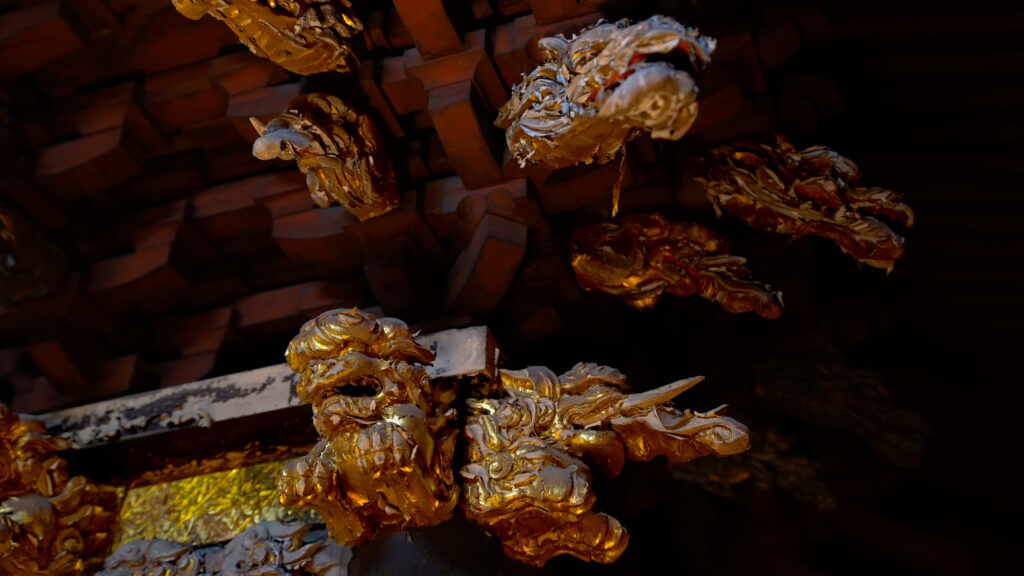
The wind god and thunder god showing their adorable faces
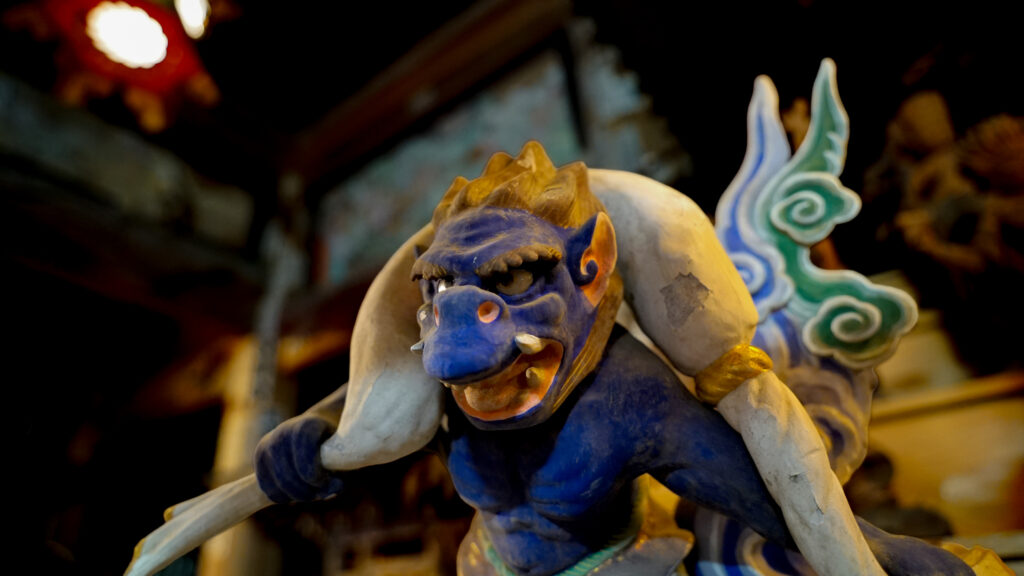
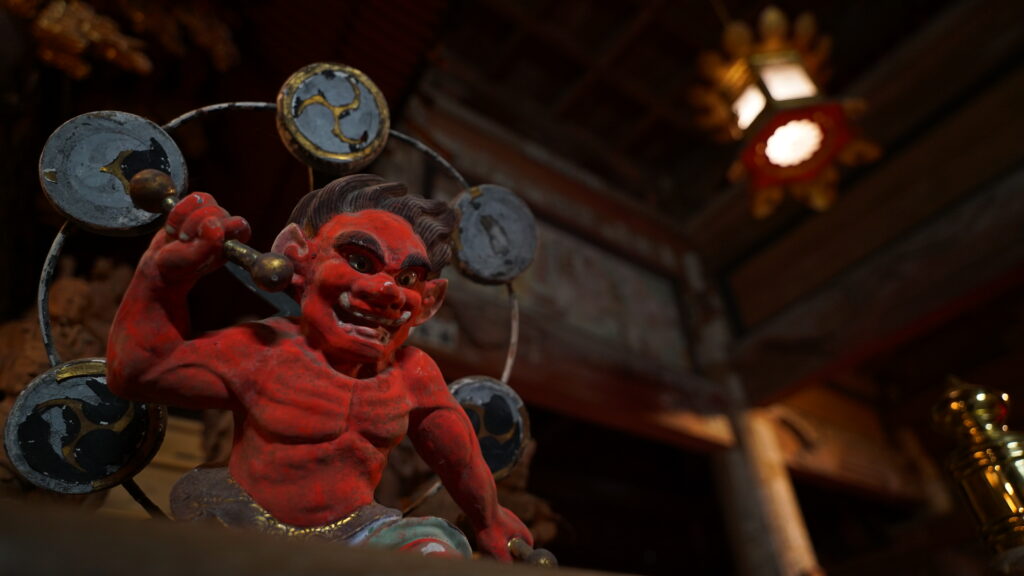
Buddhist statues scattered around the grounds of Kiyomizu-dera Temple
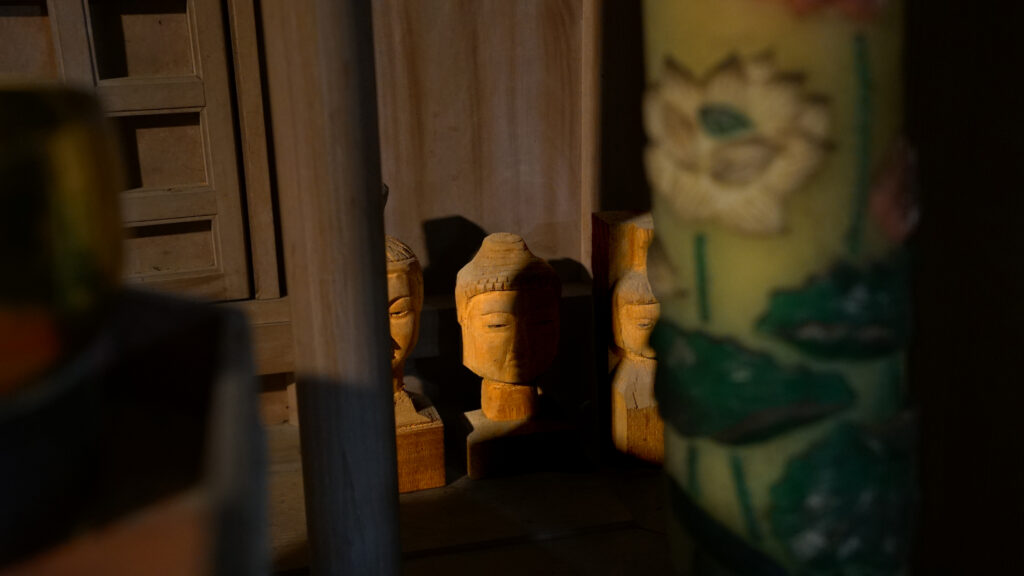

Kiyomizu-dera Temple: A place where people gather and feel peace
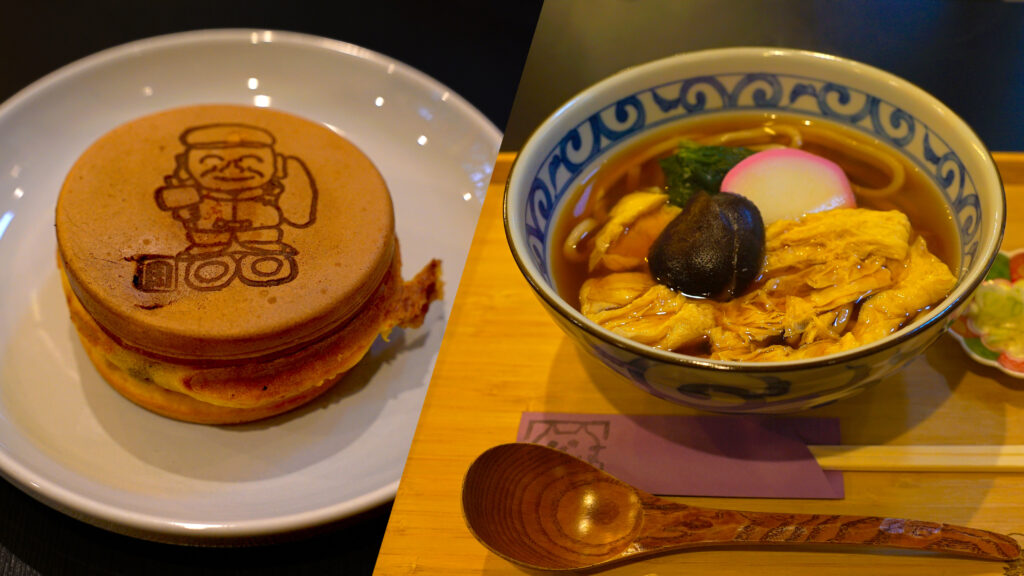
Eat, rest, connect at the comfortable temple cafe “Chihirotei”
This is a place where people gather to eat and talk peacefully. The owner, a medicinal food advisor, makes the exquisite “Temple Soba” topped with yuba and shiitake mushrooms. The obanyaki pancakes, coffee, and cafe lattes are also delicious, and the restaurant serves meals made with ingredients that are good for both the body and mind.
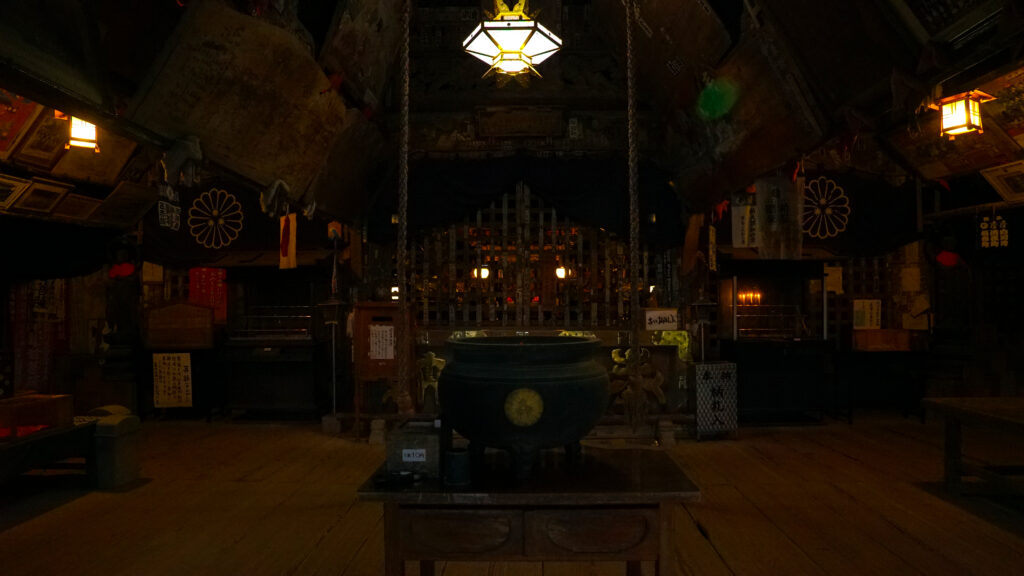
Support your heart with a unique fortune slip
There is a “One-line Fortune” written by the head priest himself. It is a short message that tells you your fortune and spiritual guidance. Unlike regular fortunes, you will receive a message that resonates with you, as the head priest has become a monk and has undergone training, and is well-versed in Buddhism and has a great personality.
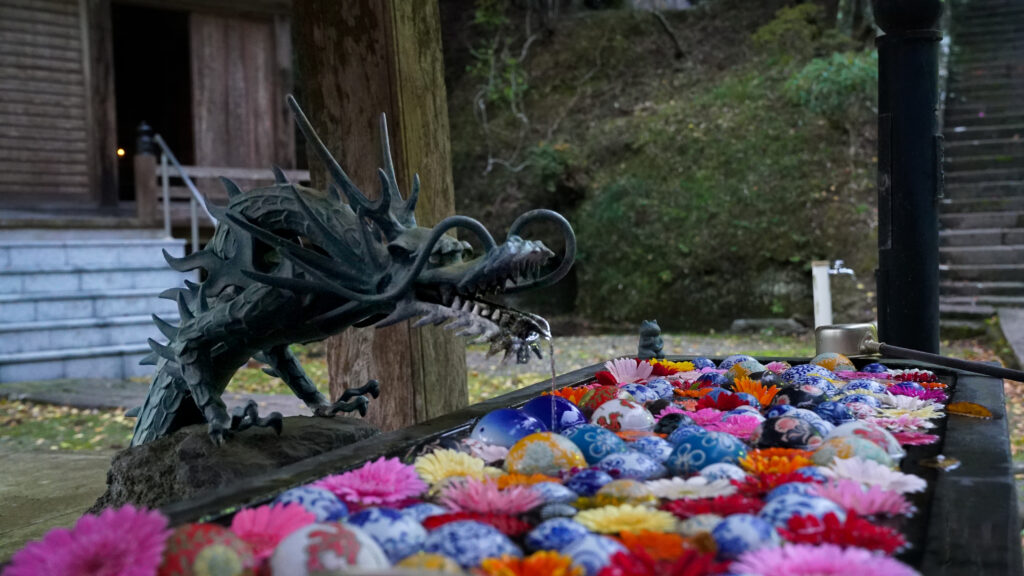
The origin of the name “Japan’s Three Great Pure Springs”
Kiyomizu-dera Temple is known as one of the “Three Great Kiyomizu-dera Temples of Japan,” along with “Kyoto Otowasan Kiyomizu-dera Temple” and “Hyogo Ontakesan Kiyomizu-dera Temple.” This is because they share the same name, “Kiyomizu-dera,” and the mountain name, “Otowa-san,” and have long been worshipped as sacred sites of Kannon Bodhisattva, leading to the practice of viewing the three temples as a group.
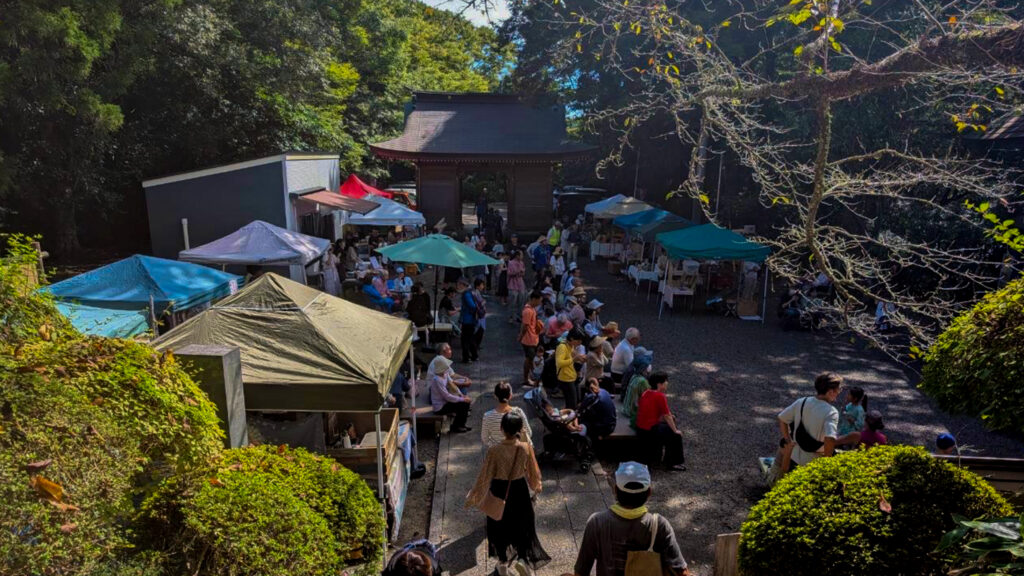
There are many events to soothe and calm your mind.
There will be a “Temple Market” where you can experience Zen meditation, temple yoga, sutra copying, as well as seasonal markets and craft experiences.
Information on Kiyomizu-dera Temple in Isumi City, Chiba Prefecture
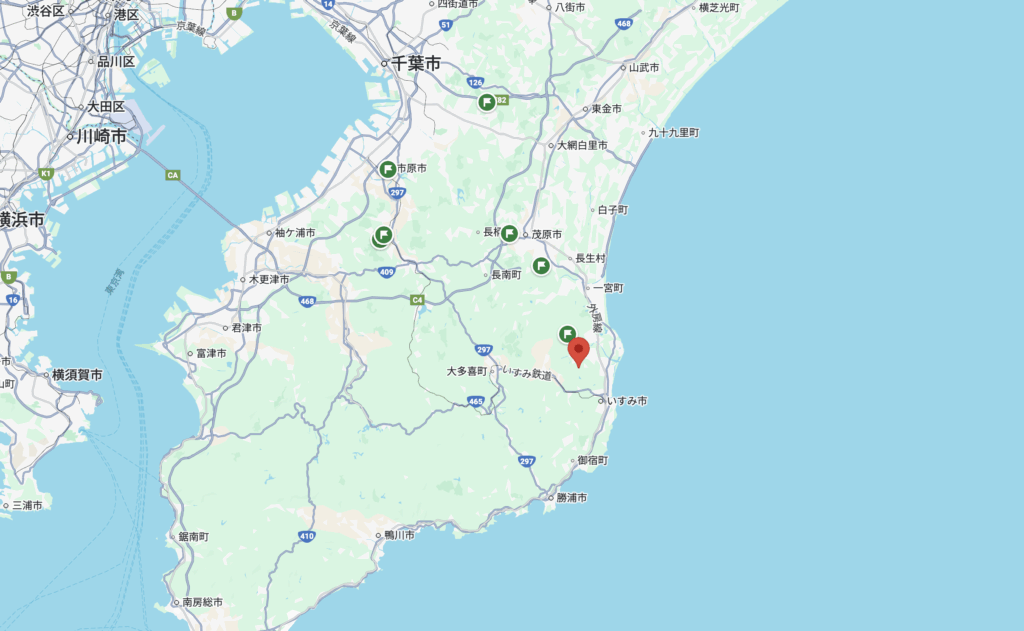
[Temple No. 32 of the Bandō Thirty-three Kannon Temples]
1270 Kamone, Misaki-cho, Isumi City, Chiba Prefecture, 299-4624
https://maps.app.goo.gl/d5mfhzGE7GuN7NQK8
[Established] 807
[Temple Stamp] Available
[Access] Approximately 50 minutes on foot from Chojamachi Station on the JR Sotobo Line. / By car: Approximately 5 km (10 minutes) west from the traffic light at Misakicho Ebazu on National Route 128, approximately 35 minutes from Ichihara-Tsurumai IC on the Ken-O Expressway.
[Parking] Available
[Opening Hours] 8:00 AM – 5:00 PM
[Buddha Statue Viewing] Open and closed.
[Advance Visit Notification] Not required
[Phone Number] 0470-87-3360
[Admission Fee] Donation
[HP] https://kiyomizudera32.com
A word from the author
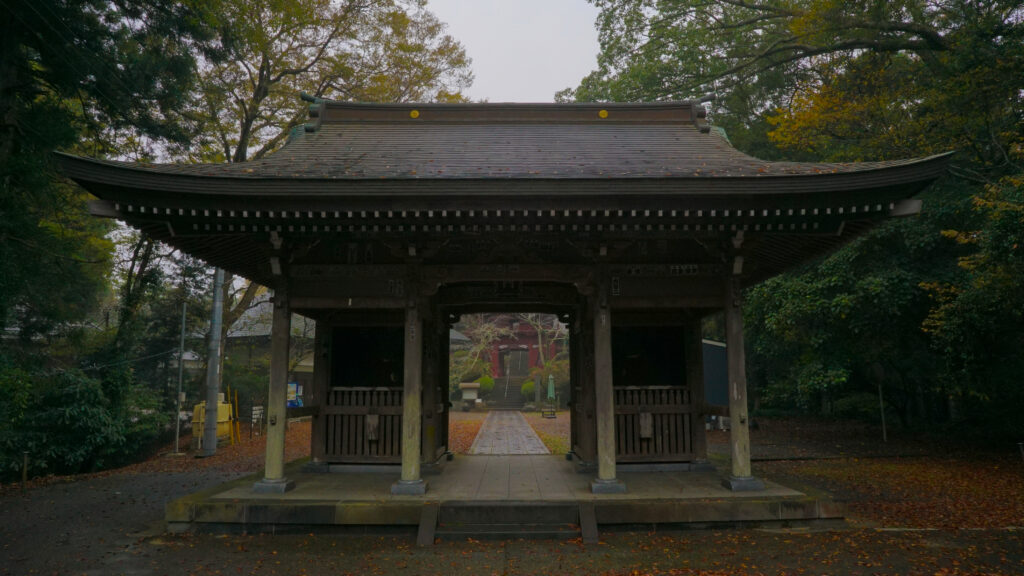
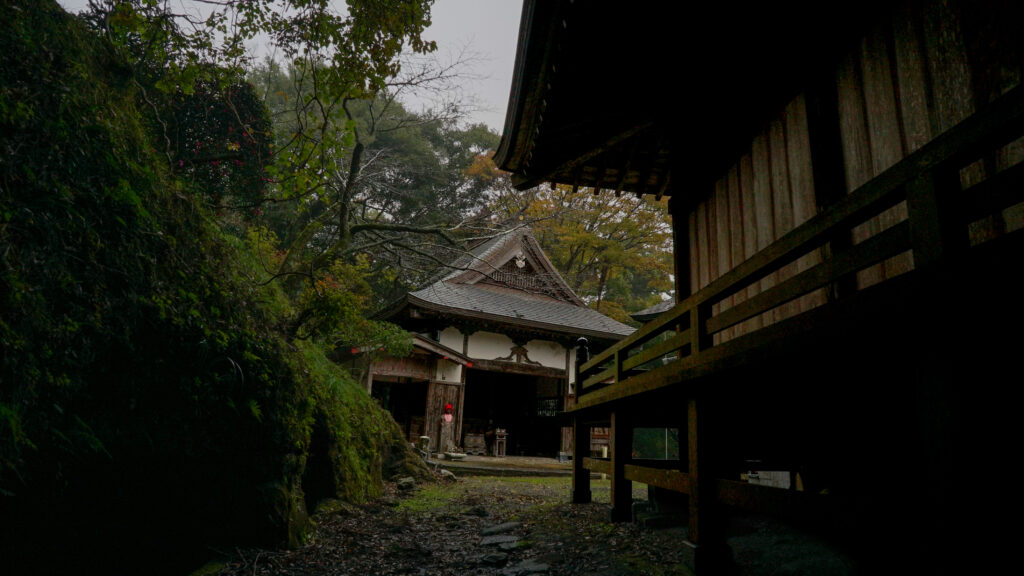
I’ve shown you these images of the Buddha statues, but this is by no means everything. It’s a wonderful space filled with so many Buddha statues.
Rather than me telling you everything here, I think it’s all about actually visiting the temple and seeing and feeling it with your own eyes.
If you have any questions like, “Are there 28 of the 28 Buddhist sects?”, “Where is this Buddha statue?”, or “Why does this Buddha statue have that expression?”, please ask the head priest or the owner of the temple cafe, Senhirotei. They may be busy at times, but they will be happy to explain anything to you. As I did, I think you’ll be able to experience the splendor of Kiyomizu-dera Temple twice or even three times as much.