

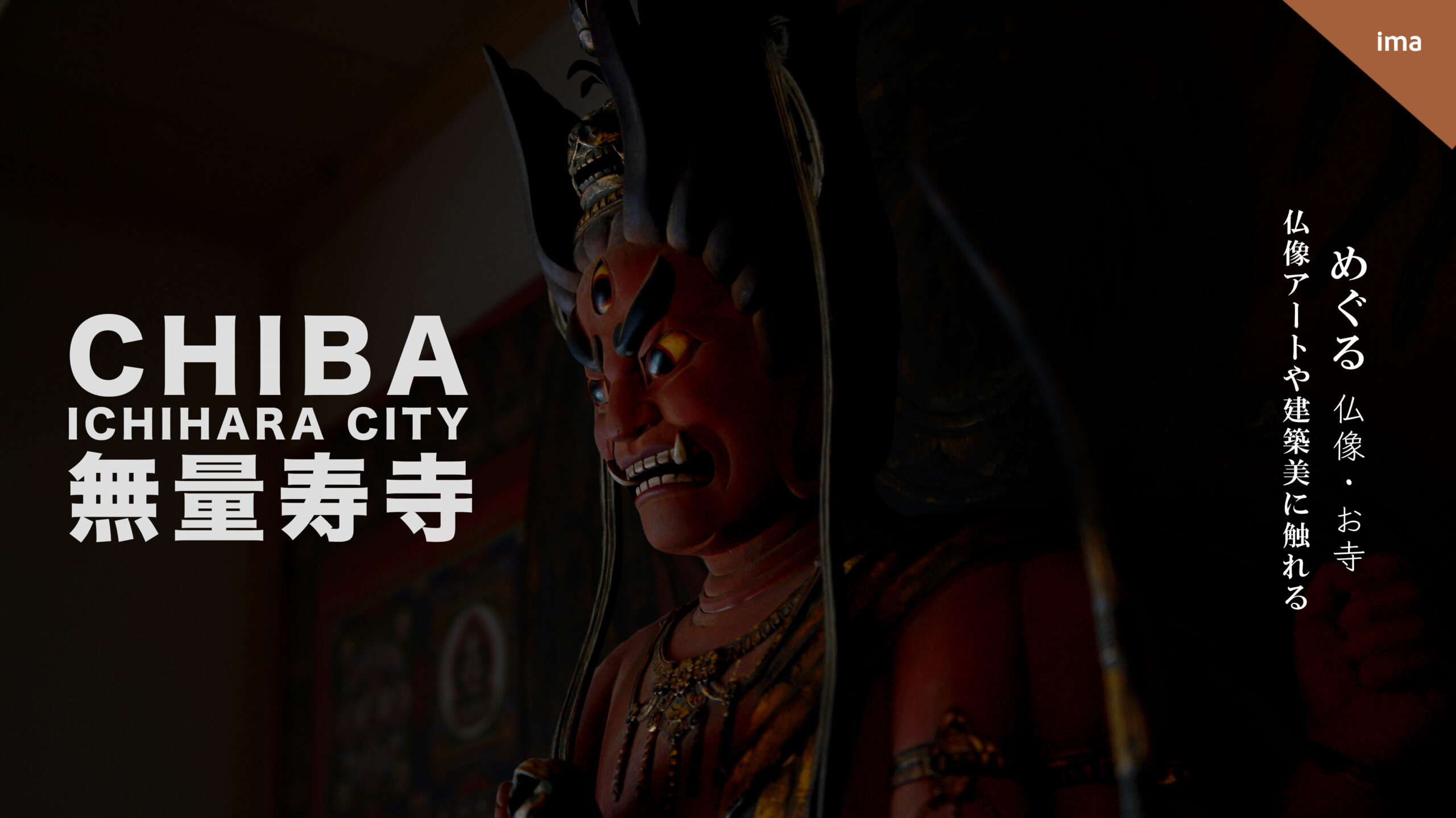
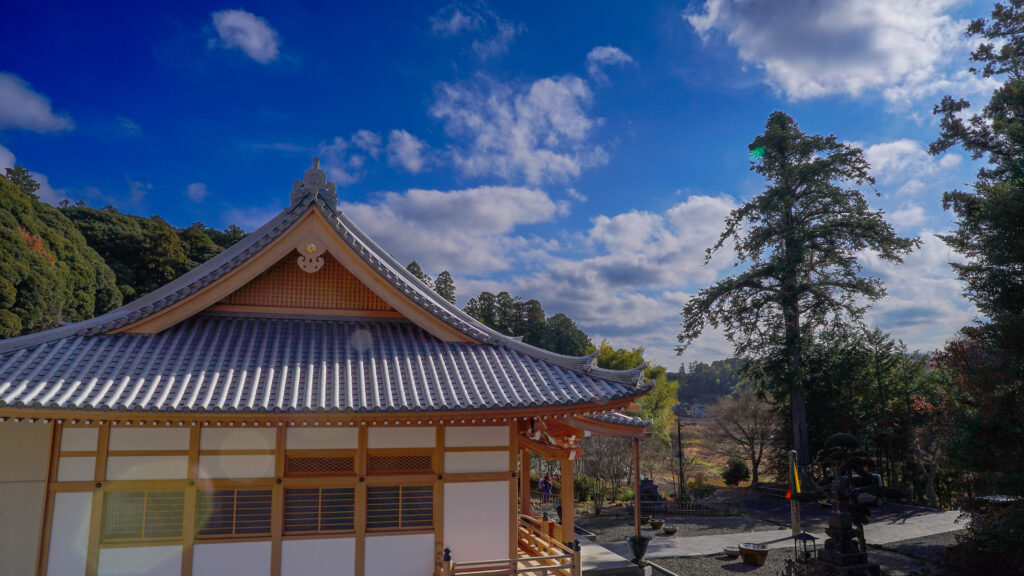
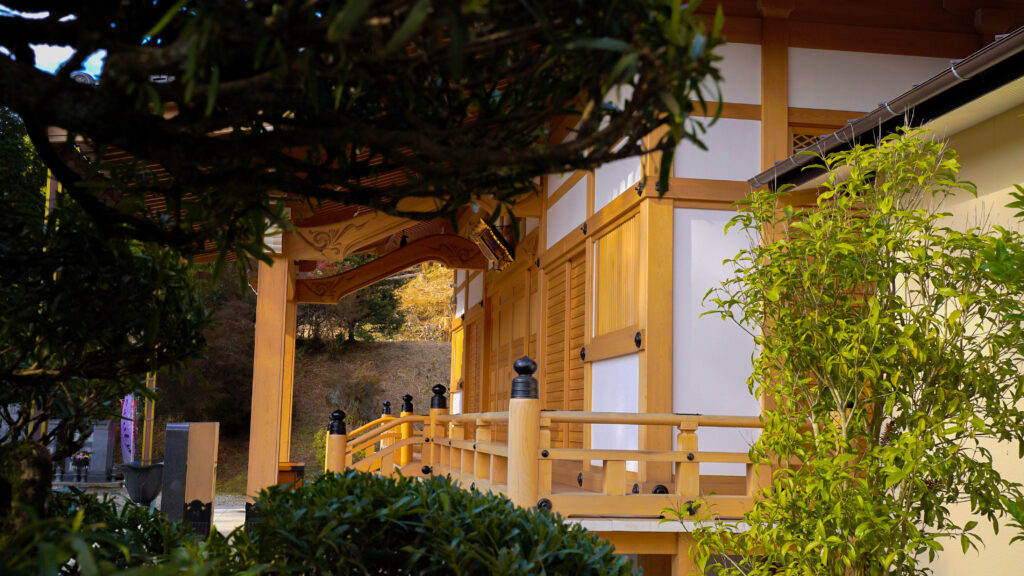
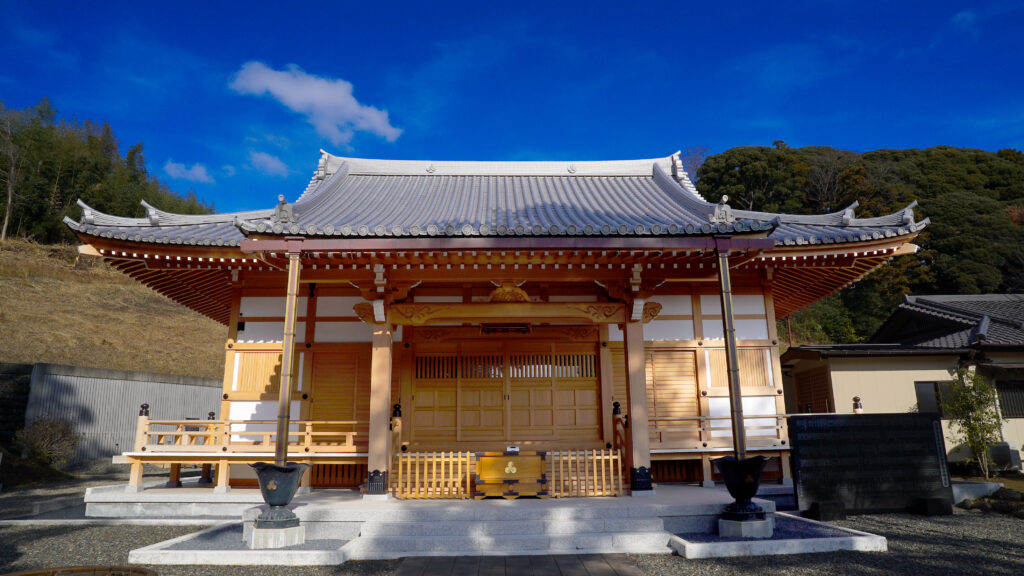
Muryoju-ji Temple in Ichihara City, Chiba Prefecture, was founded in 1734. With a history of around 290 years, it retains a nostalgic atmosphere in a natural setting. The main hall was rebuilt in 2024, and a new one was completed, filled with the warm sunlight and the scent of wood.
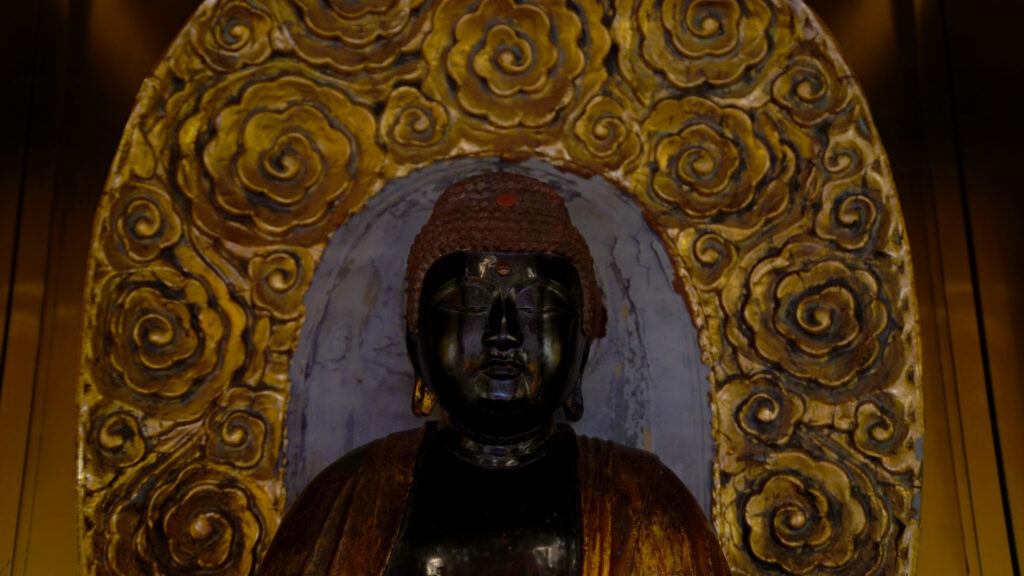
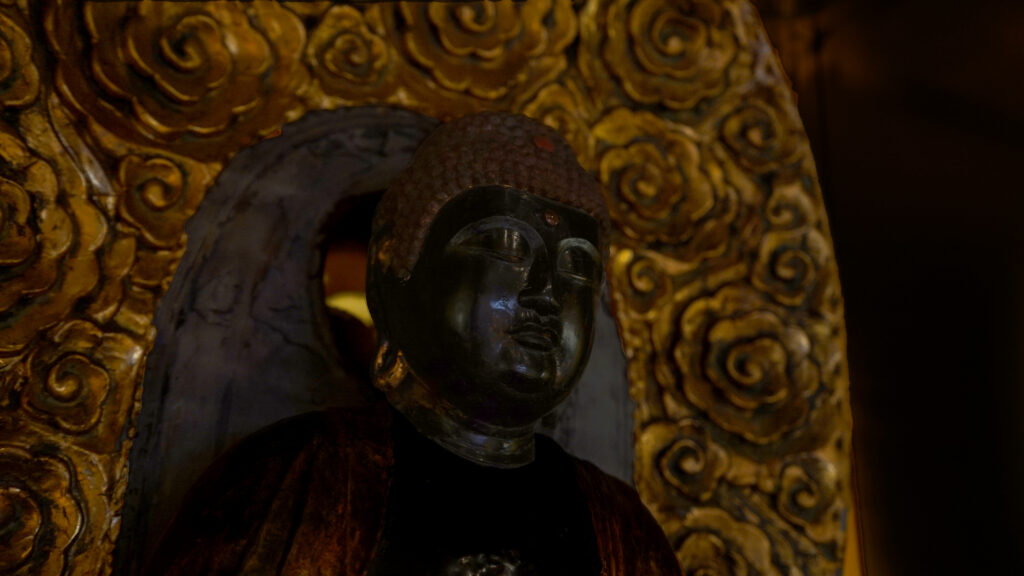
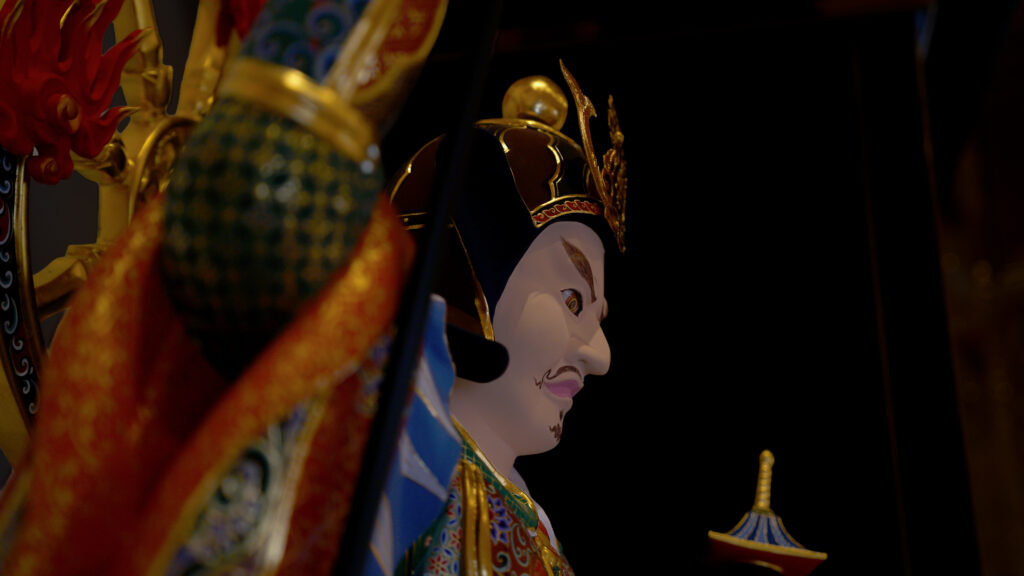
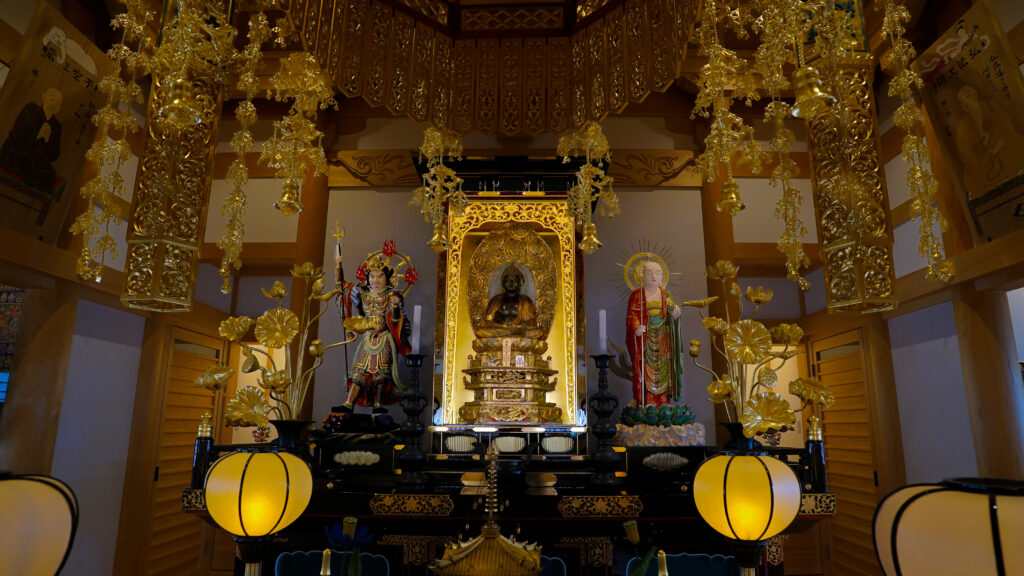
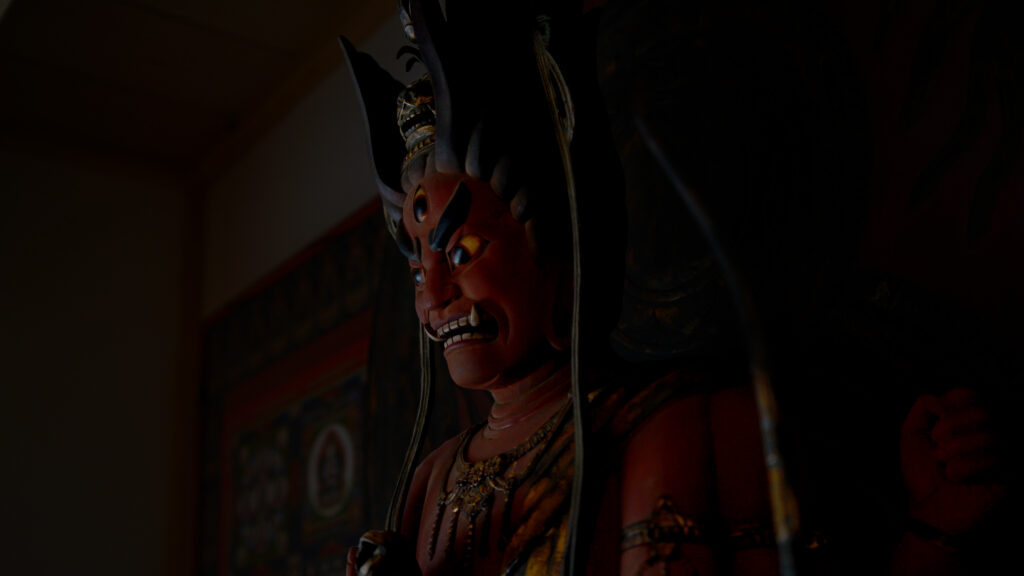
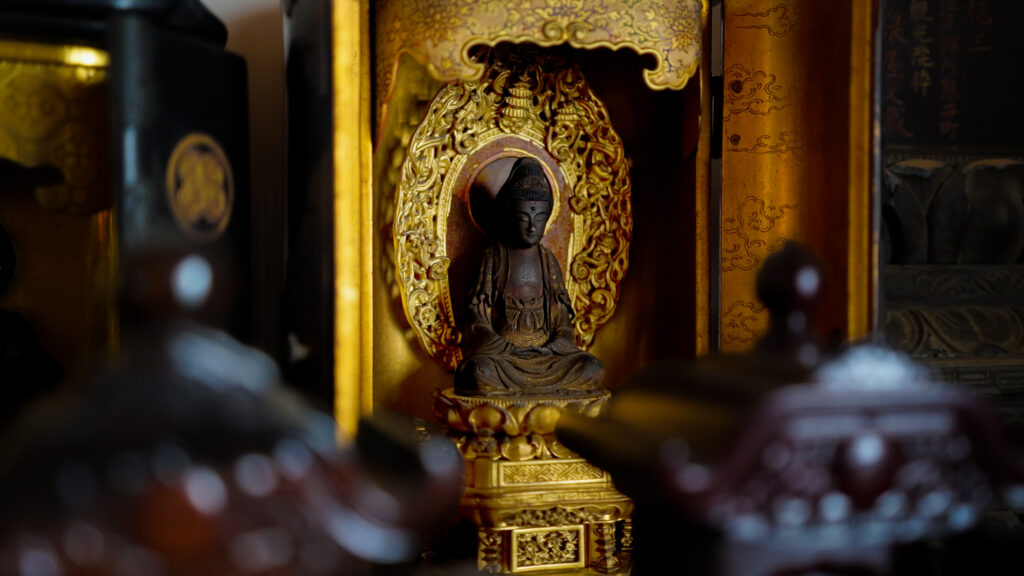
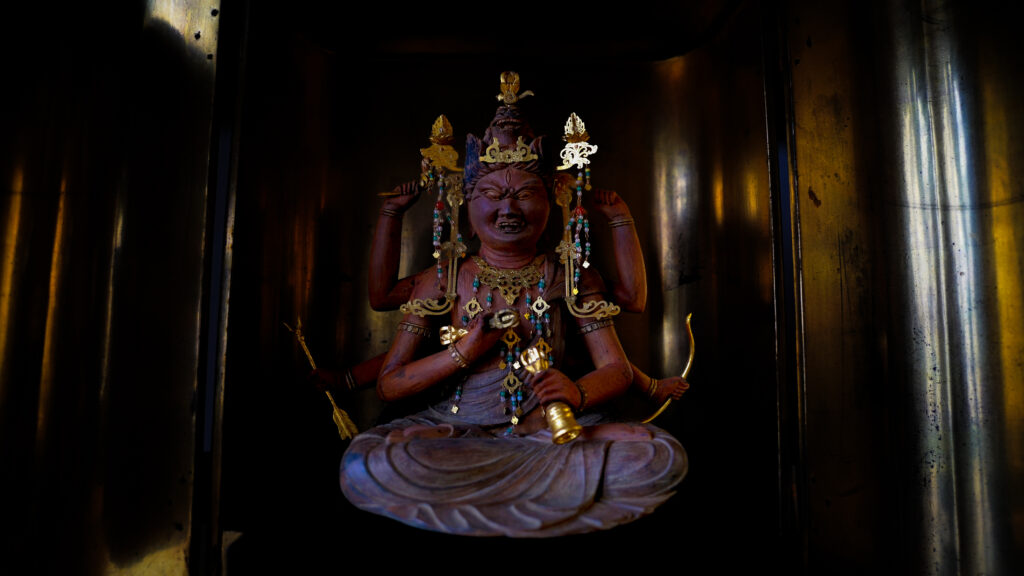
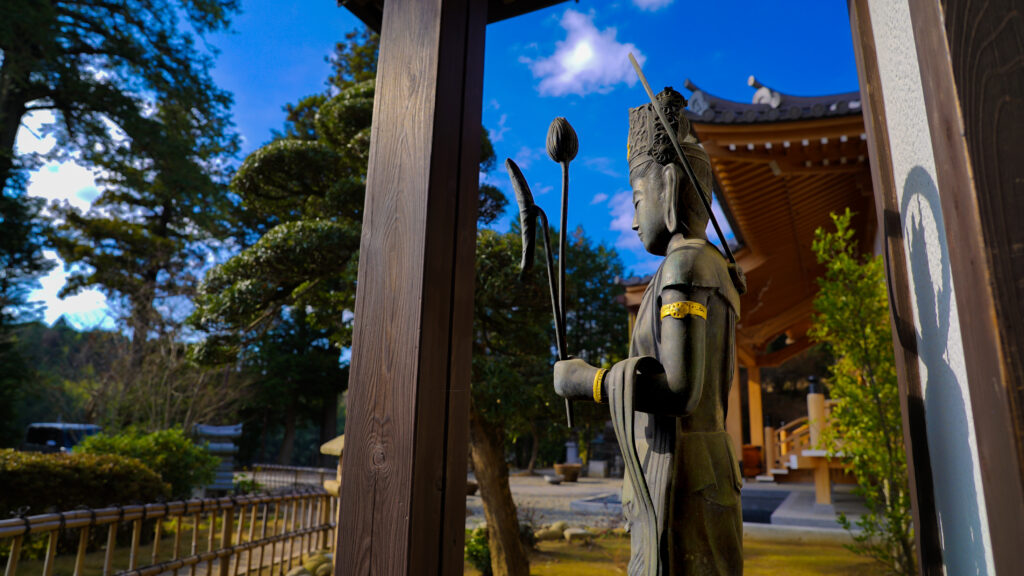
The principal image of the temple is Amida Nyorai, created during the Edo period, which was restored approximately two years ago by cultural property restorer Akiko Kubo. The attendant statues, also from the Edo period, have been recently restored and feature Jizo Bodhisattva and Bishamonten, both beautifully colored. The temple also features Dainichi Nyorai, created during the Edo period, Aizen Myo-o, a more modern creation, and Edo-period Kannon Bodhisattva and Bishamonten, enshrined in a shrine.
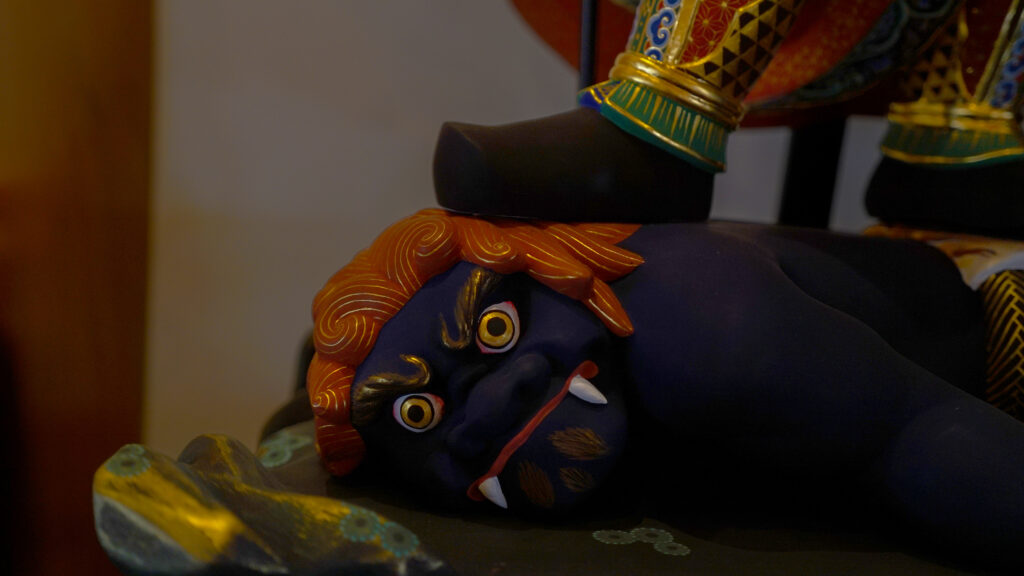
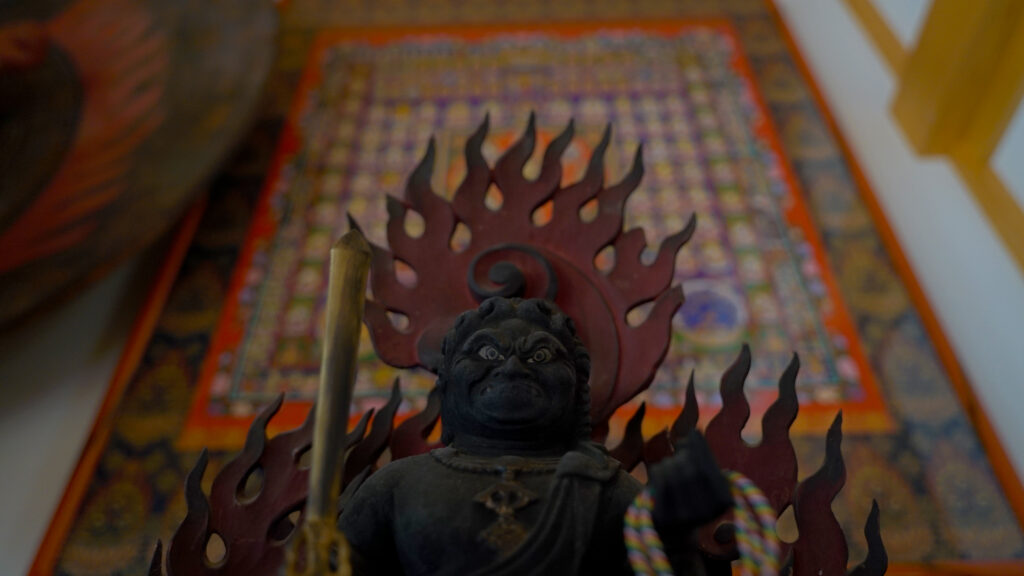
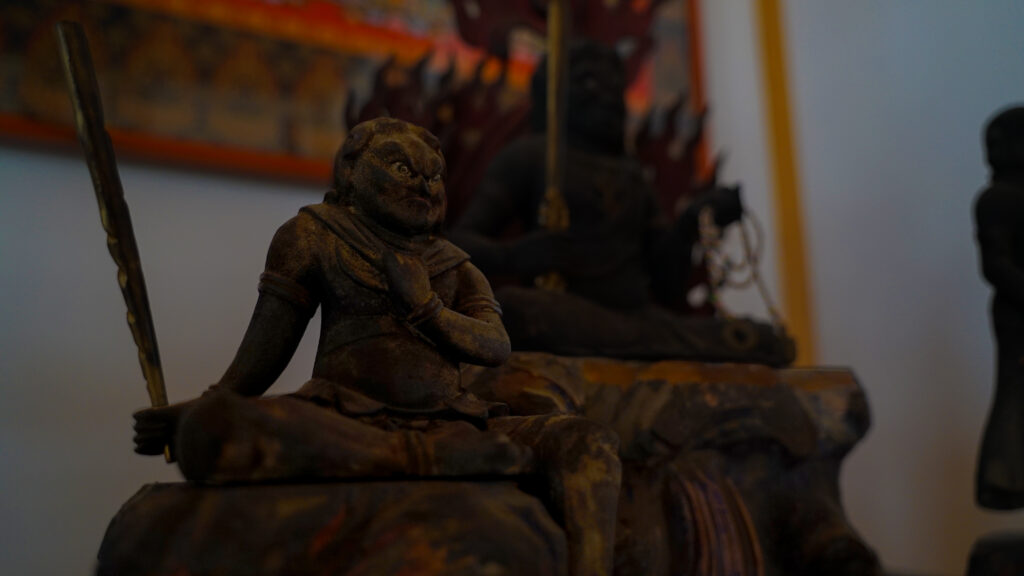
You can also see the Fudo Triad, consisting of Acala, created during the Edo period, flanked by Seitaka Doji and Kongara Doji.
The Fudo Triad and Aizen Myo-o, enshrined in a shrine, were restored by Iizumi Taishimune, a Buddhist sculptor with a studio in Sakuragawa City, Ibaraki Prefecture.
The main hall is filled with colorful Buddhas and mandalas painted with beautiful patterns, and the warmth and fragrance of wood soothes the souls of visitors.

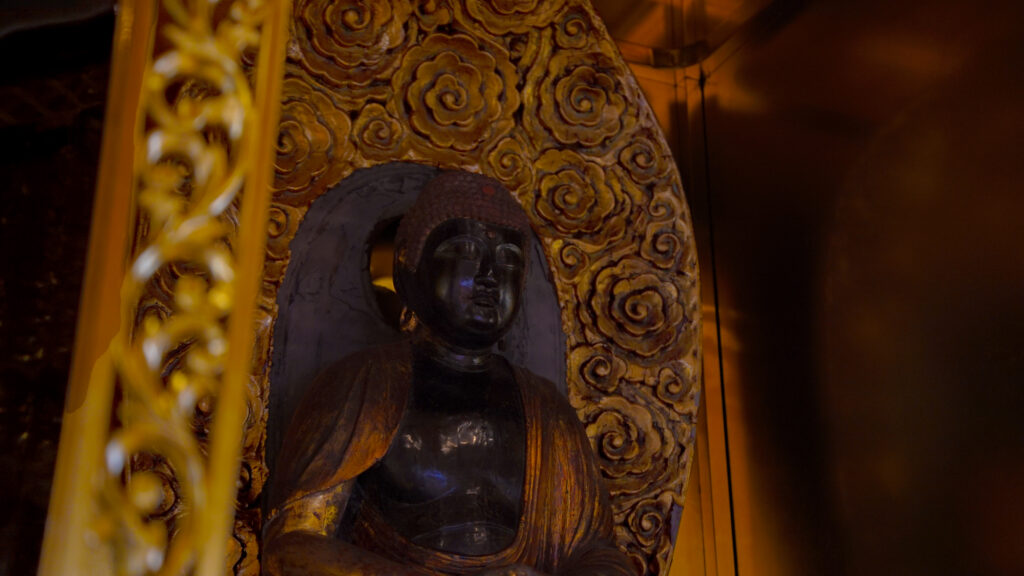
Amida Buddha, the principal image of the Edo period
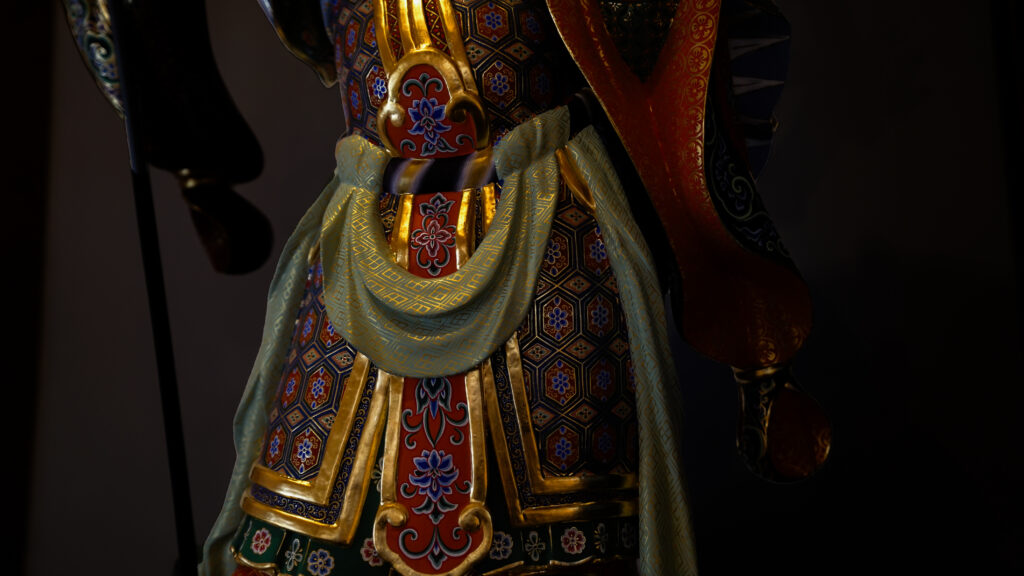
Bishamonten and Jizo Bodhisattva dressed in brilliant colors
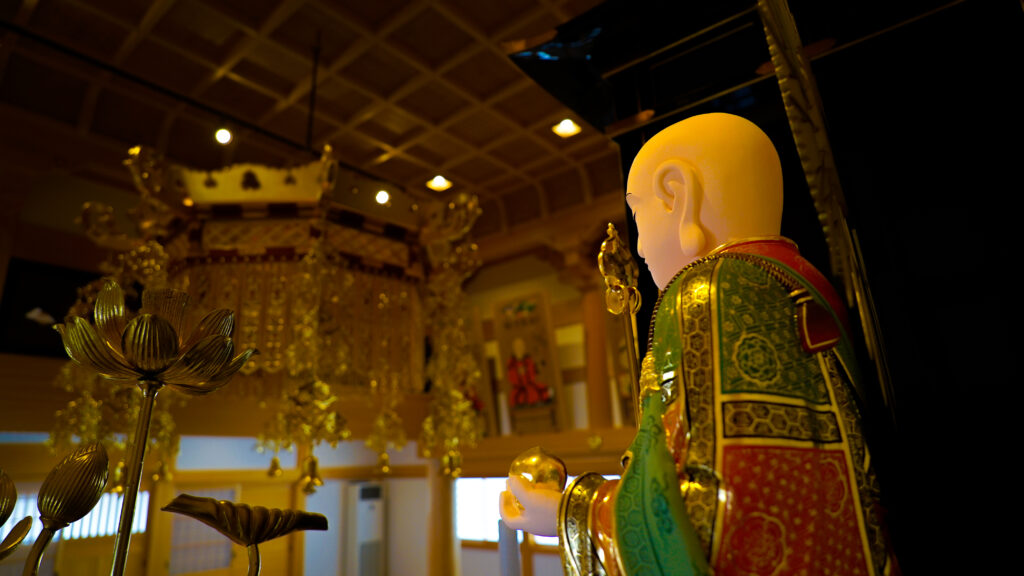
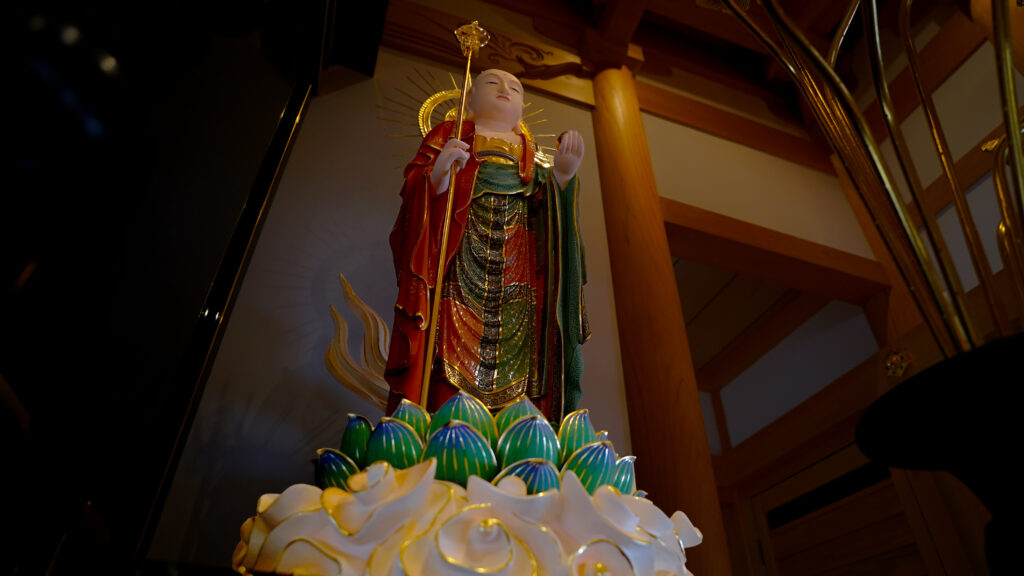
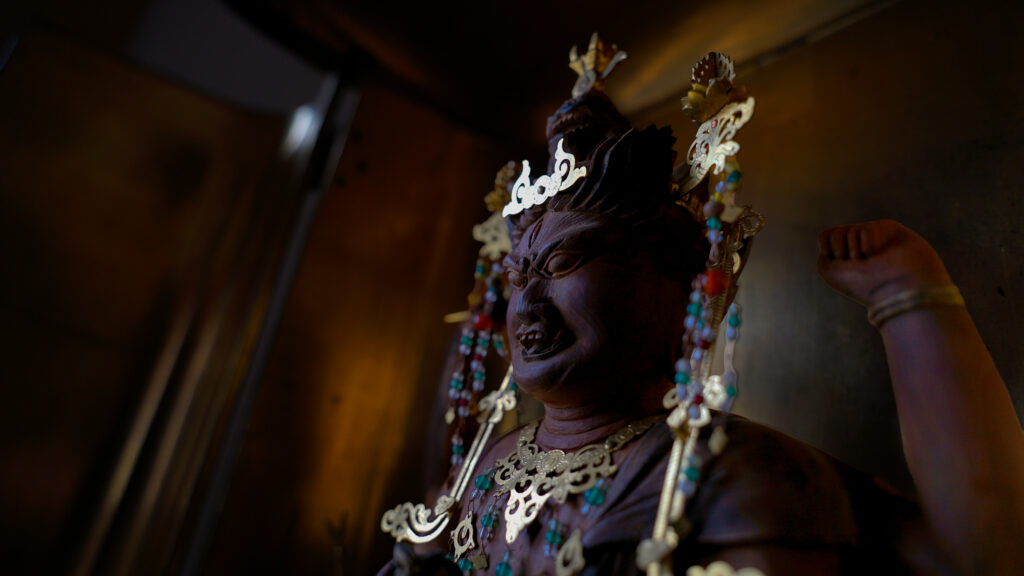
The beauty of the vermilion Buddha statue “Aizen Myoo” with its strong gaze
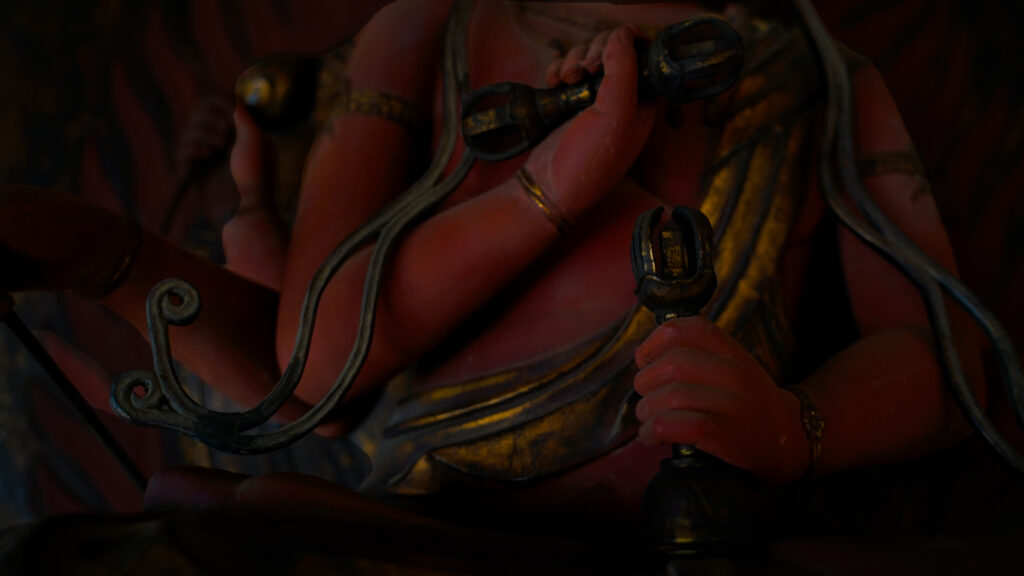
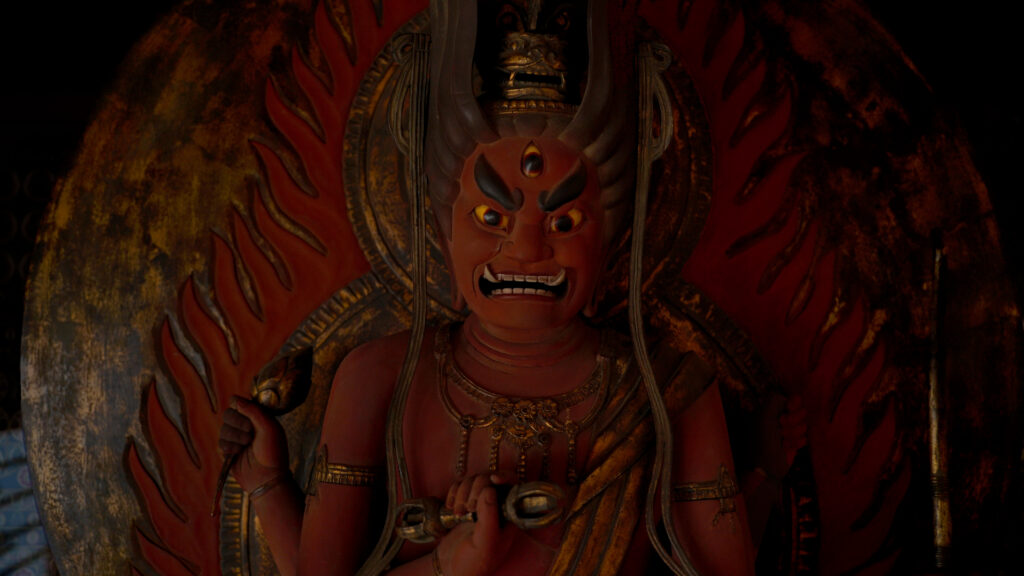
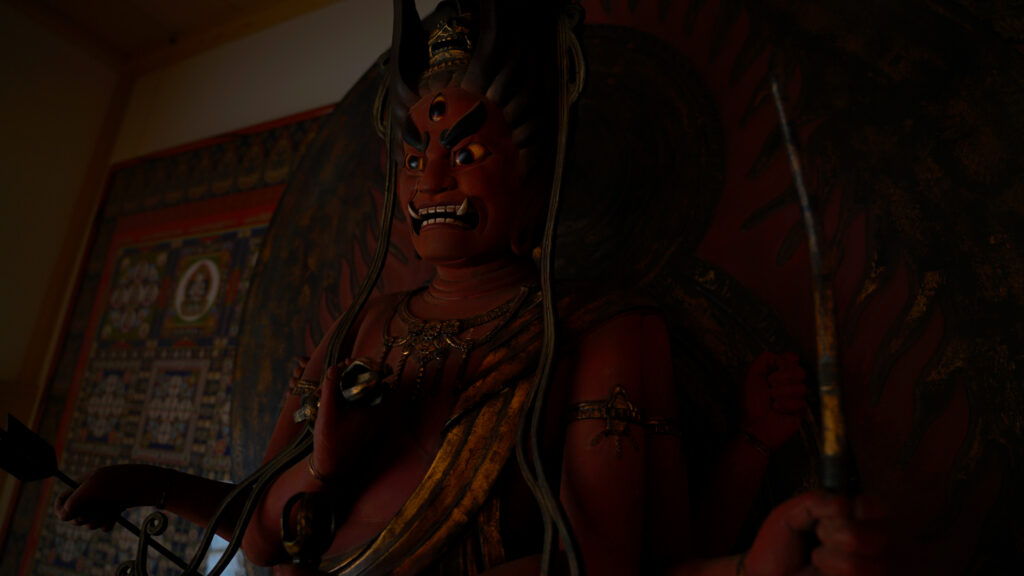
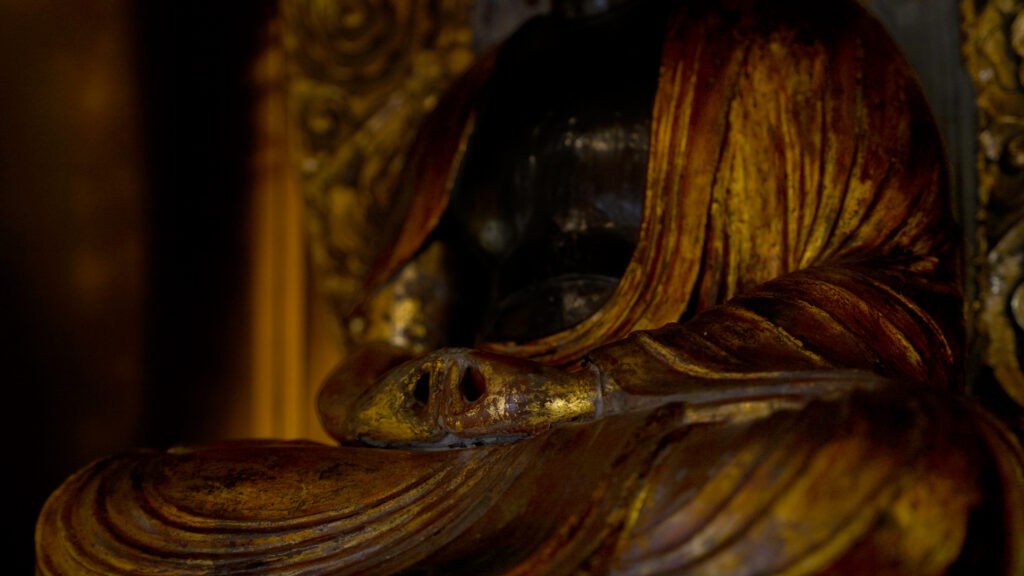
Buddhas floating in light and shadow, quietly watching over you
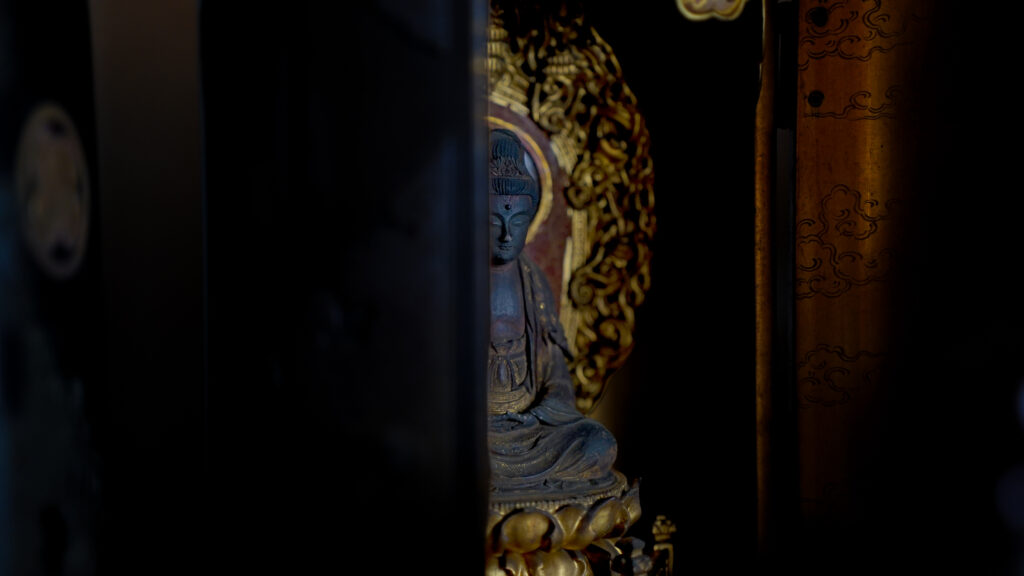
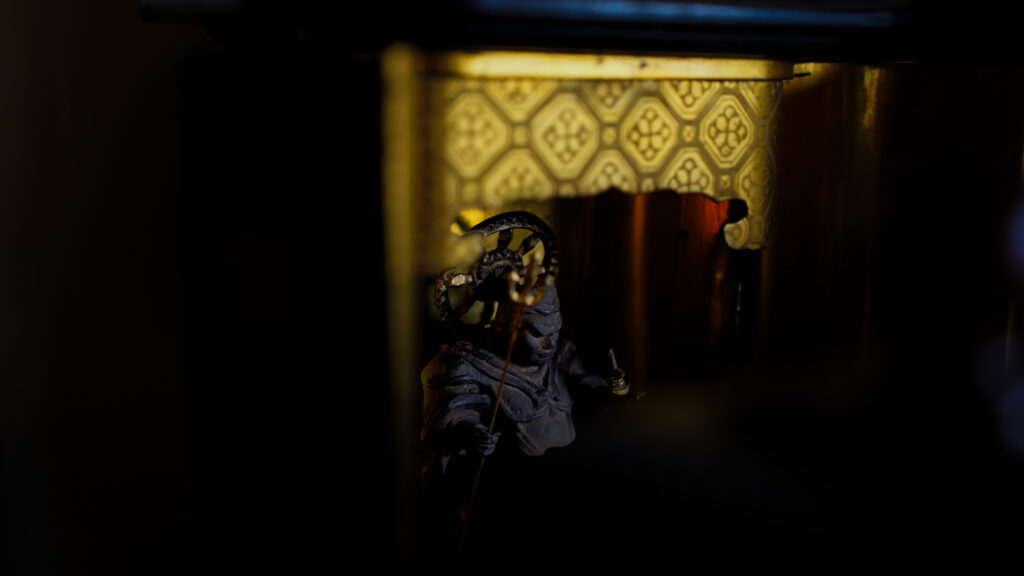
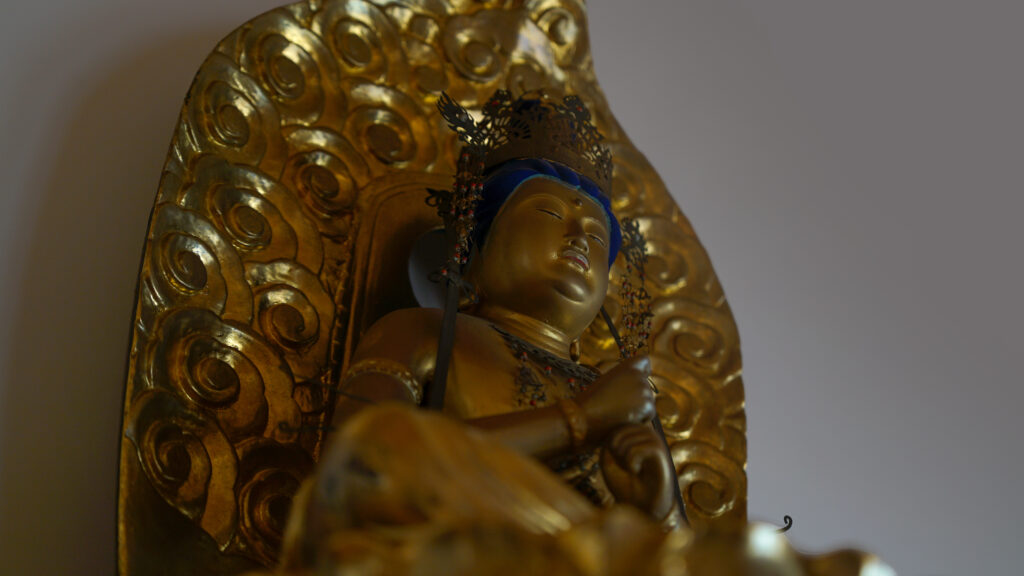
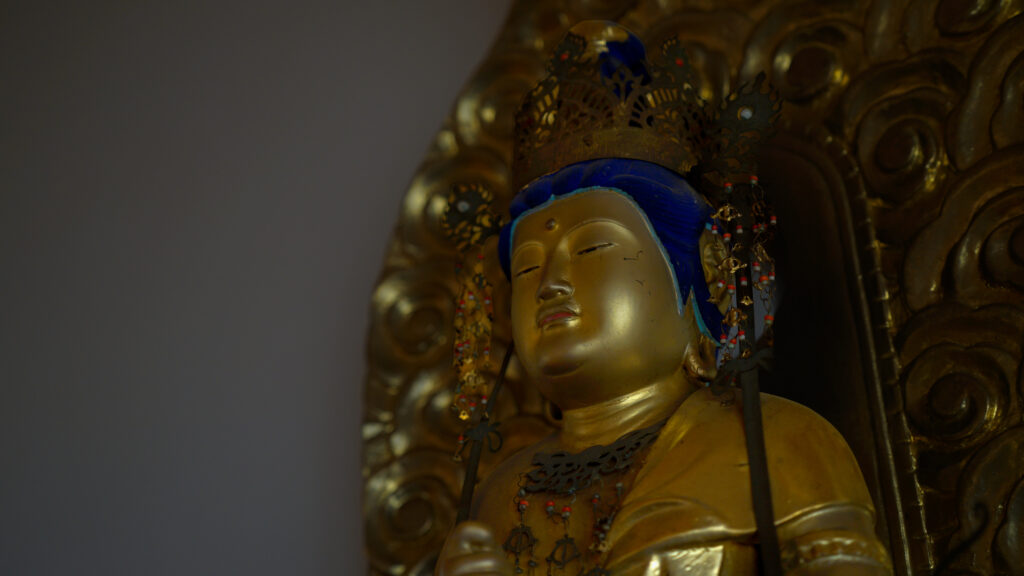
A Naritasan-style Fudo Triad accompanied by a seated Taka Doji
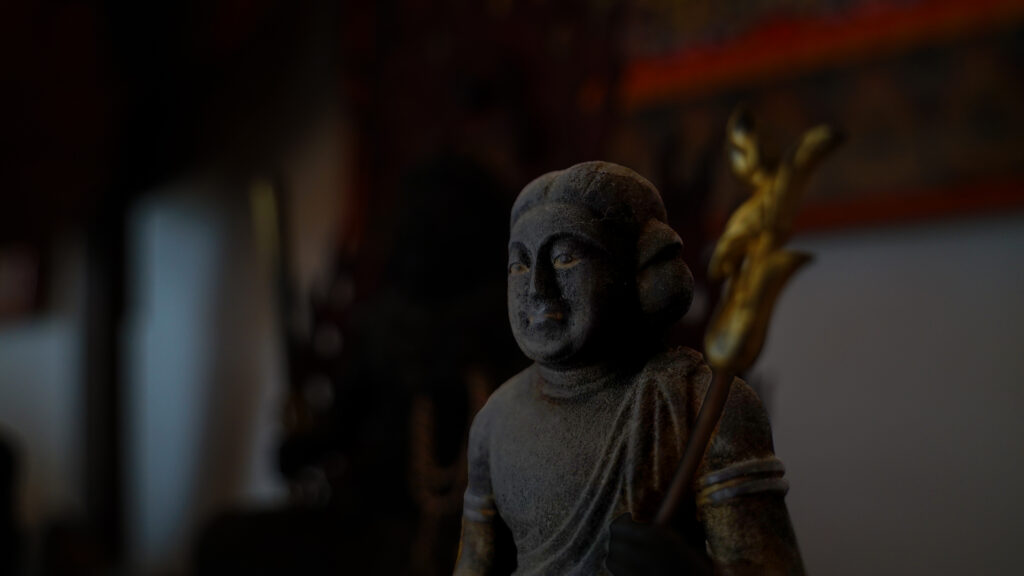
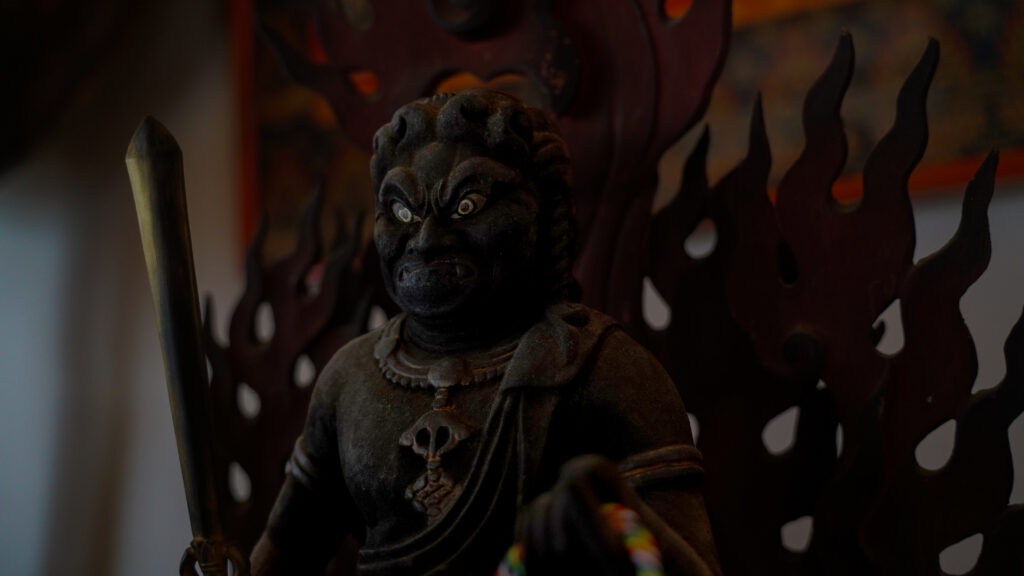
Muryojuji Temple: A place where history and the warmth of wood brighten your everyday life
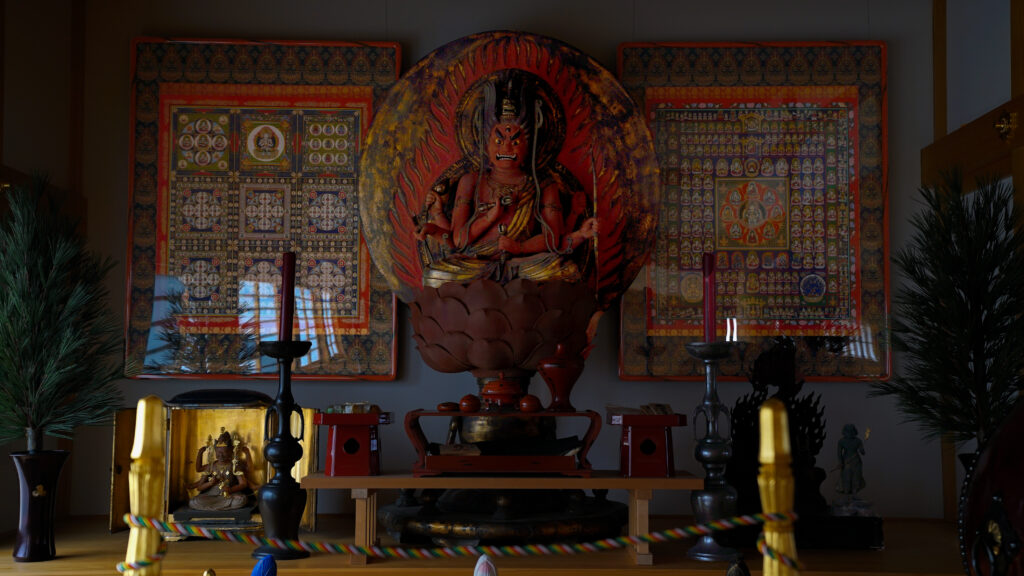
The supreme sanctuary that can be seen with the naked eye: “Mandala”
The Kongokai Mandala, Taizokai Mandala visualizes the truth of the universe through intricate colors and geometric patterns. The brilliant colors of Aizen Myoo, who reigns before it, are truly breathtaking.
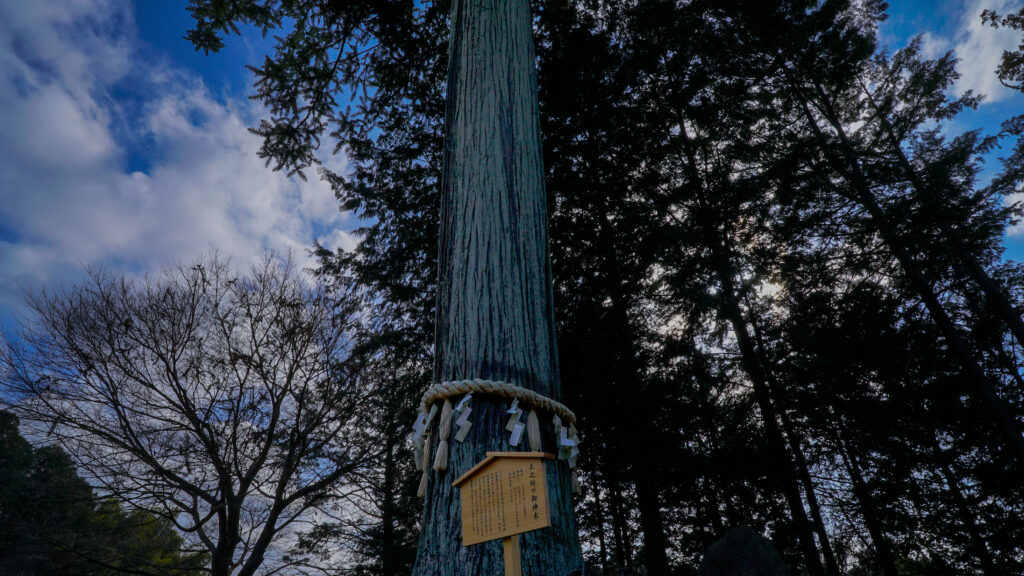
The never-withering “Kaminobo’s sacred tree”
This broadleaf cedar is approximately 300 years old, with a trunk circumference of about 4m and a height of about 20m. It was planted when Muryojuji Temple was founded and has been passed down through the generations. The top of the tree was broken off by a typhoon in 2019, but it has not withered and remains very resilient.
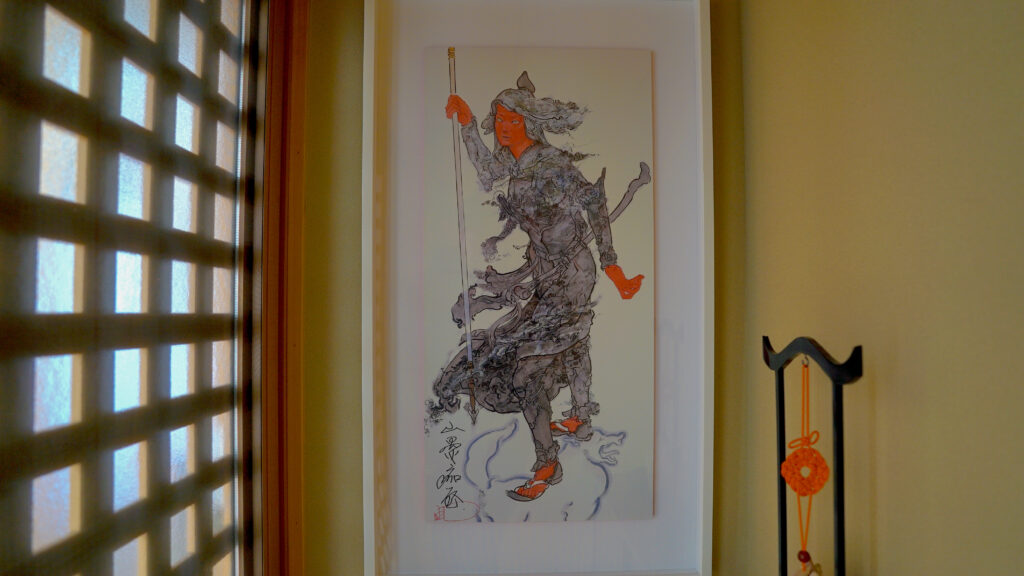
Akira Yamaguchi’s beautiful flowing lines of “Komokuten”
This beautiful exhibit is a condensed version of Akira Yamaguchi’s unique worldview, combining delicate touches with powerful colors to depict a mysterious appearance with a modern aesthetic.
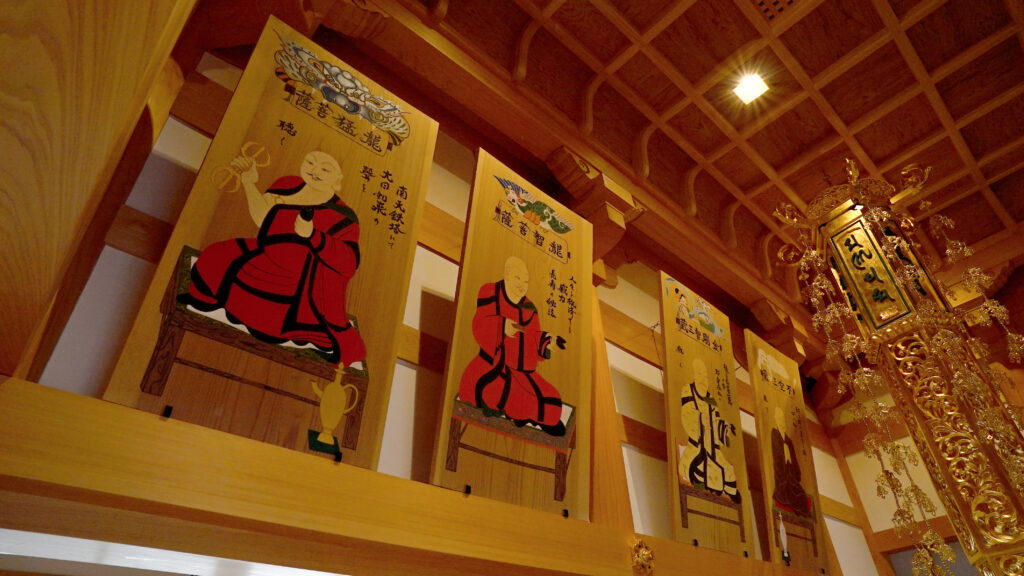
A temple figure who watches over the ages
Looking up, you can see the high priests who weave the history of esoteric Buddhism. Enveloped in the warmth of wood and soft light, the space is filled with a sense of security, as if you are being watched over by a gentle gaze.
Information on Muryojuji Temple
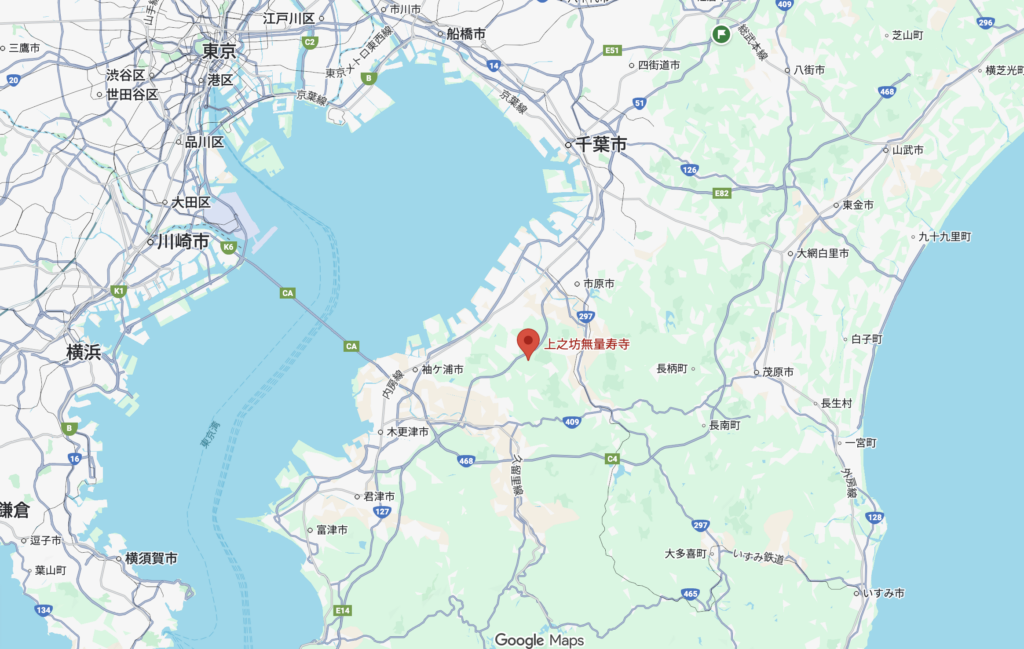
564 Fukashiro, Ichihara City, Chiba Prefecture, 299-0123
https://maps.app.goo.gl/umzKW6HdpnTiJT5LA
[Established] 1767
[Goshuin] Available (please ask the priest directly if you would like one)
[Access] 10 minutes by car from the Anesaki-Sodegaura exit of the Tateyama Expressway via the Tokyo Bay Aqua-Line access road / 15 minutes by taxi from Kofudai Station on the Kominato Railway Line, 17 minutes by taxi from Anegasaki Station on the JR Uchibo Line / From the east exit of Anegasaki Station on the JR Uchibo Line, take the Kominato Railway [Ane 25 to Ichihara Ryokuen Toshi Terminal] and get off at the Ariakidai Danchi bus stop. 24 minutes on foot.
[Parking] Available
[Opening Hours] 8:00 AM – 5:00 PM
[Phone Number] 0436-66-7653
[Admission Fee] Donation
[Viewing the Buddhist Statues] Advance notice required
[Instagram]https://www.instagram.com/muryojuji/
A word from the author
Immersing myself in the beautifully maintained grounds of Muryojuji Temple, photographing the Buddhist statues, and chatting with the head priest allowed me to experience its history firsthand.
What really stood out was the head priest’s personality. He was so approachable, in a good way, that it overturned my stereotypes about monks. His polite demeanor, which didn’t feel like a barrier at all, left me feeling incredibly grateful. We ended up talking a lot (lol).
I was also impressed by his approach, which is focused on the challenges facing modern temples and explores new ways of doing things. Not only did I learn something new, but my own values were also greatly refined.
I was amazed that such wonderful connections could be made simply because I “like Buddhist statues,” and it was a day that reminded me once again that I want to continue to cherish these connections.