

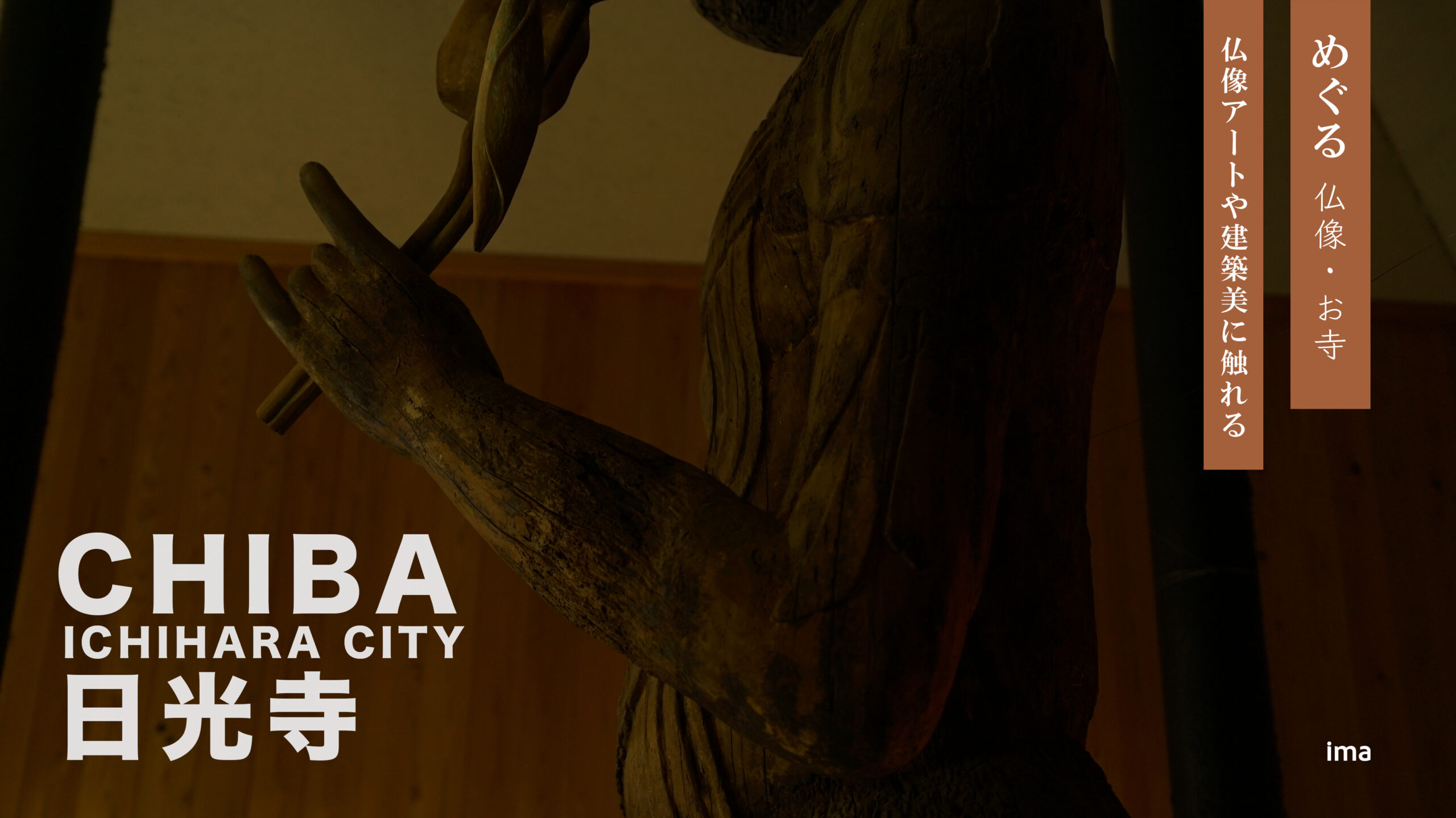
The temple is home to a rare 3.32 meter tall cherry blossom statue of Kannon Bodhisattva, one of the oldest and largest in Chiba Prefecture, carved from a single piece of wood. It also plays an important historical role as the head temple of the nearby Tsurumine Hachimangu Shrine. Festivals and other events were also held here in the past. It is open to the public once a year on August 17th.

A representative Buddhist sculpture of Boso that gives you a taste of Nara: “Nikkoji Temple Wooden Standing Statue of Shokannon”
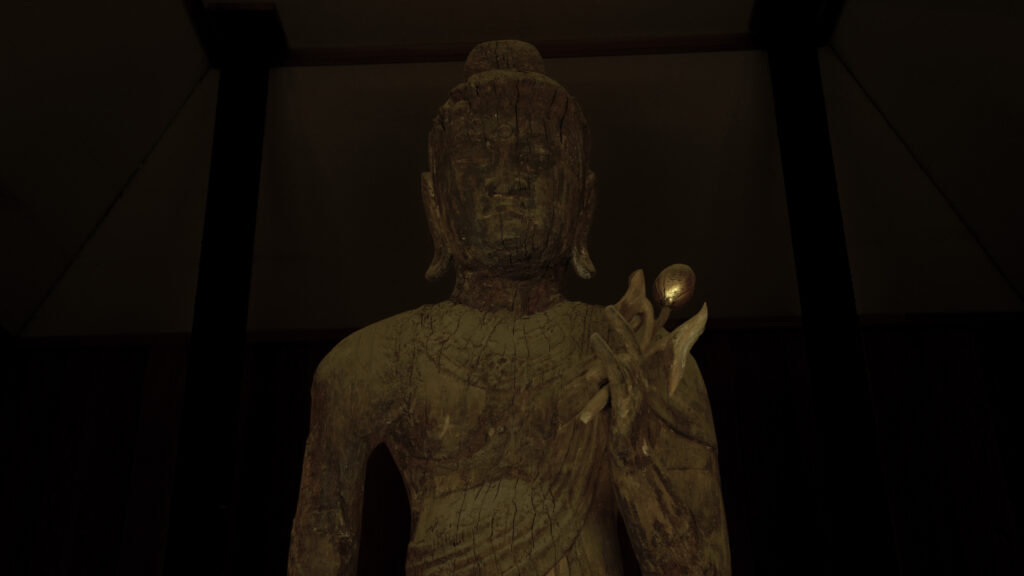
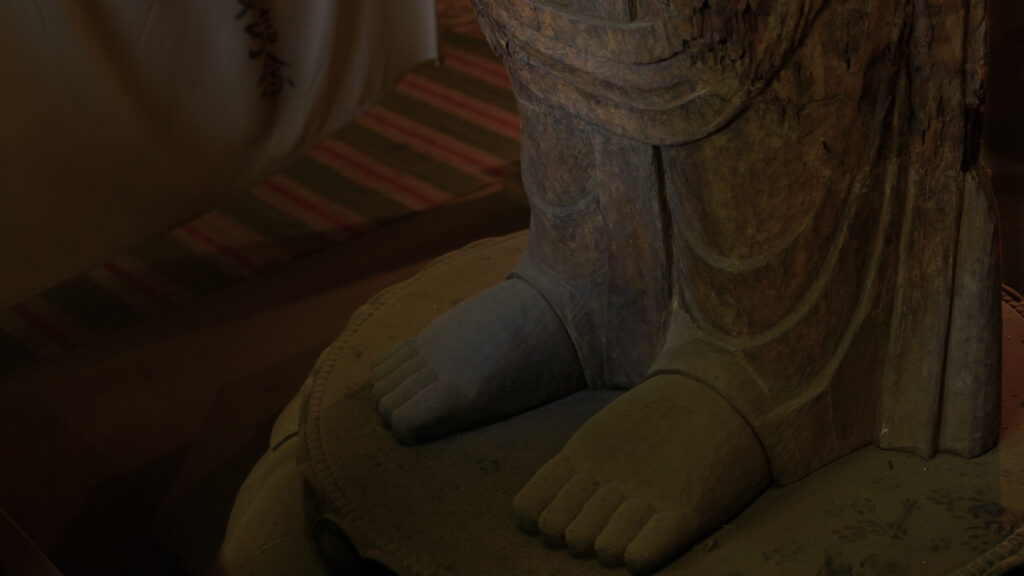
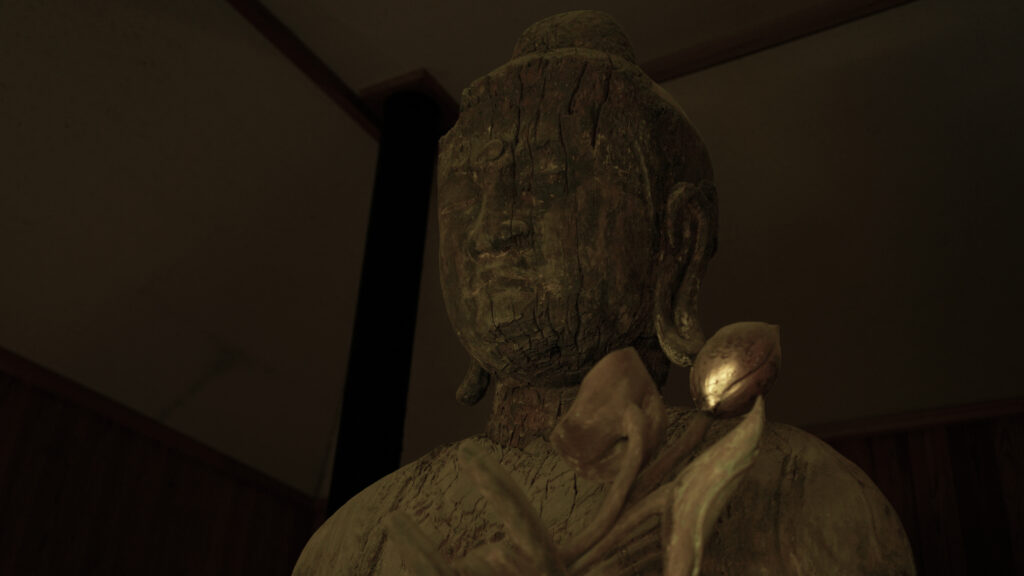
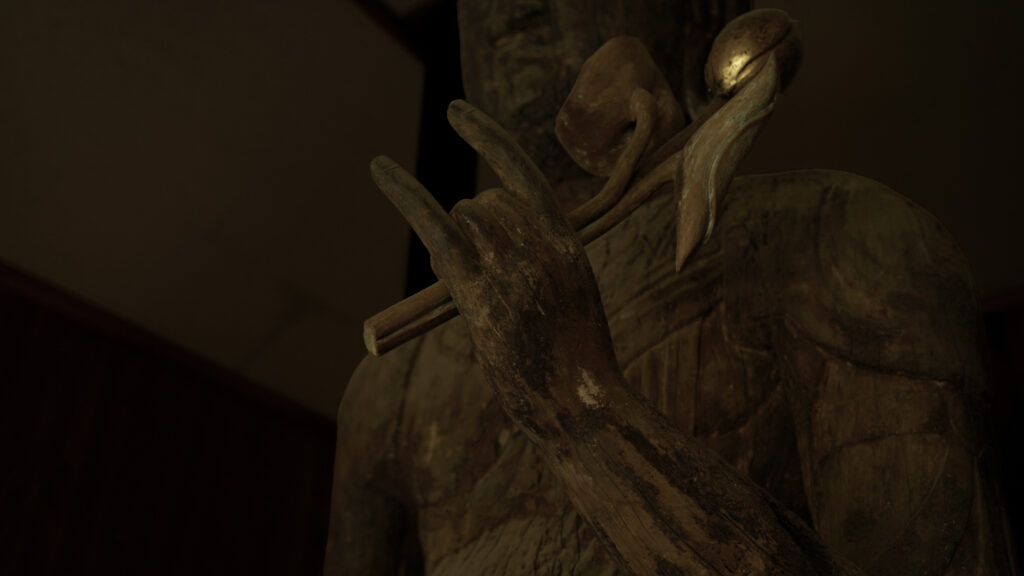
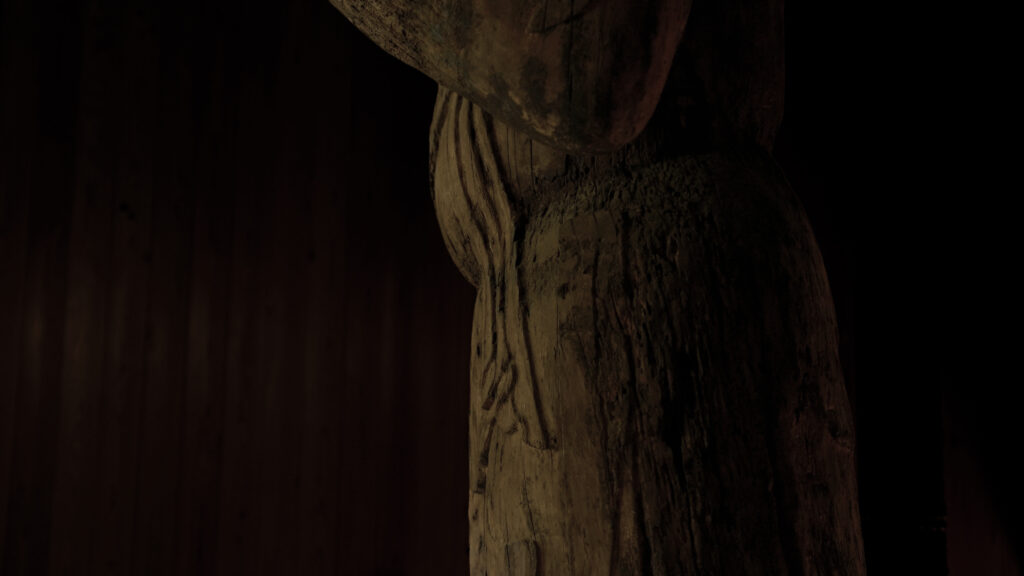
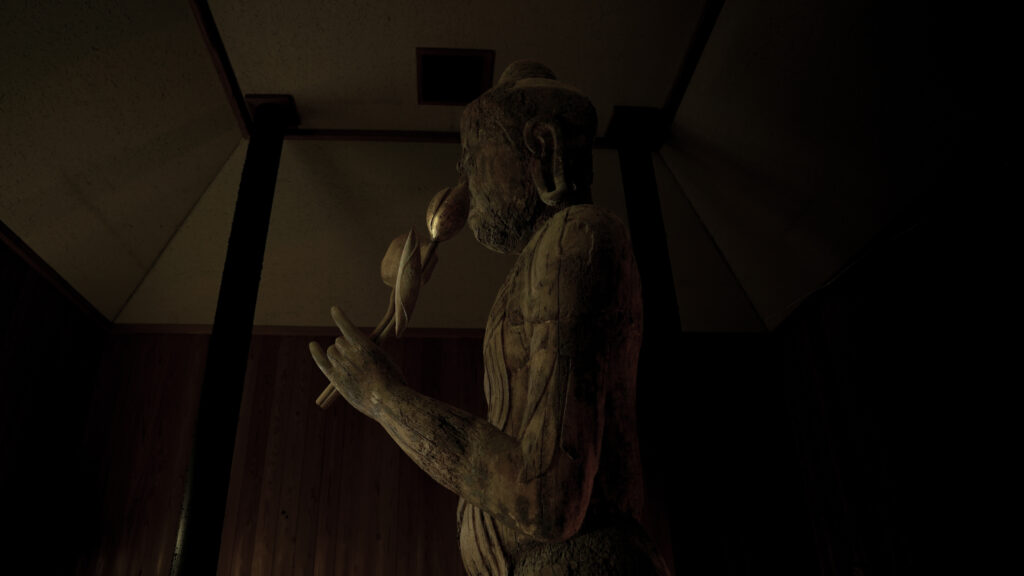
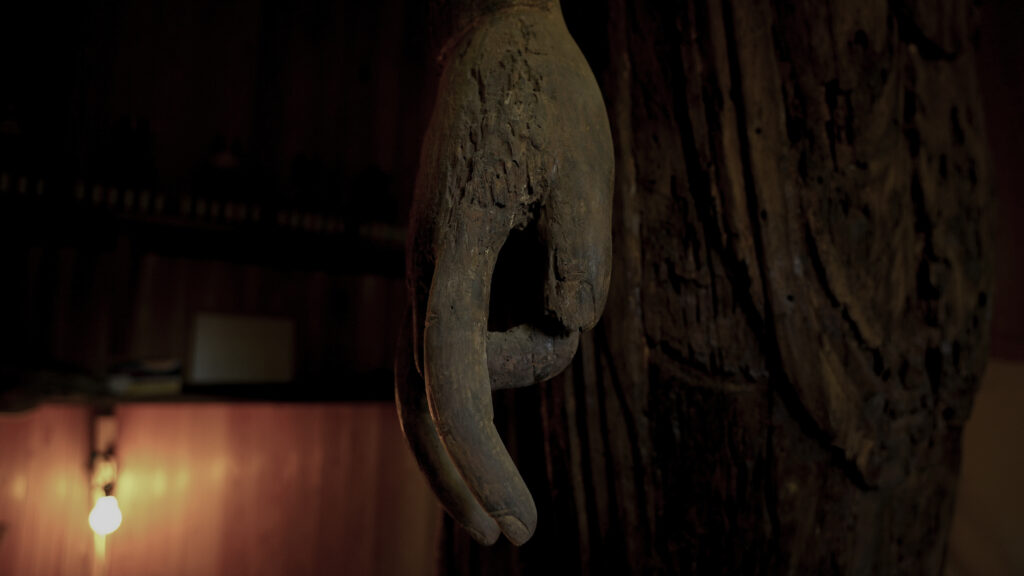
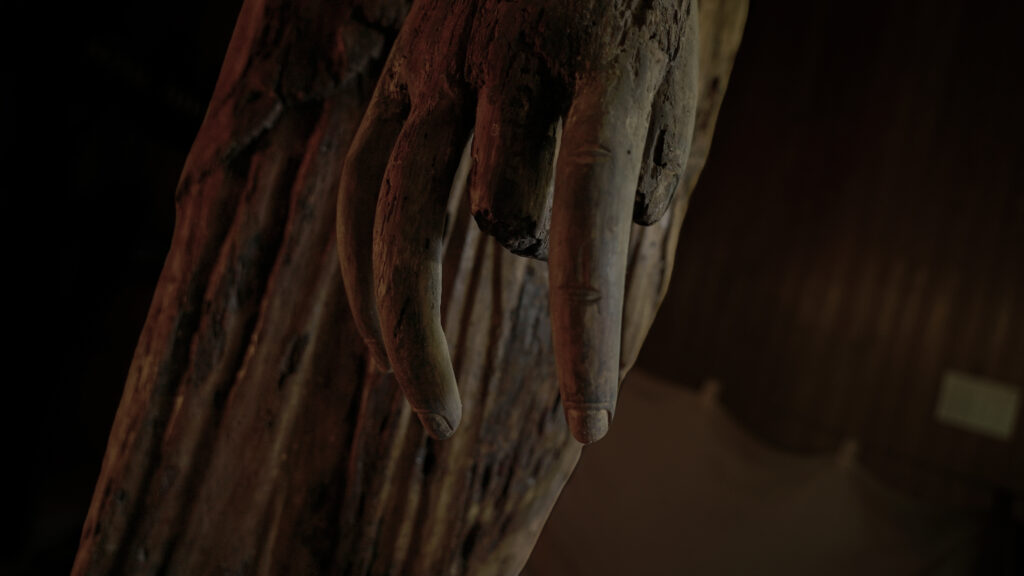
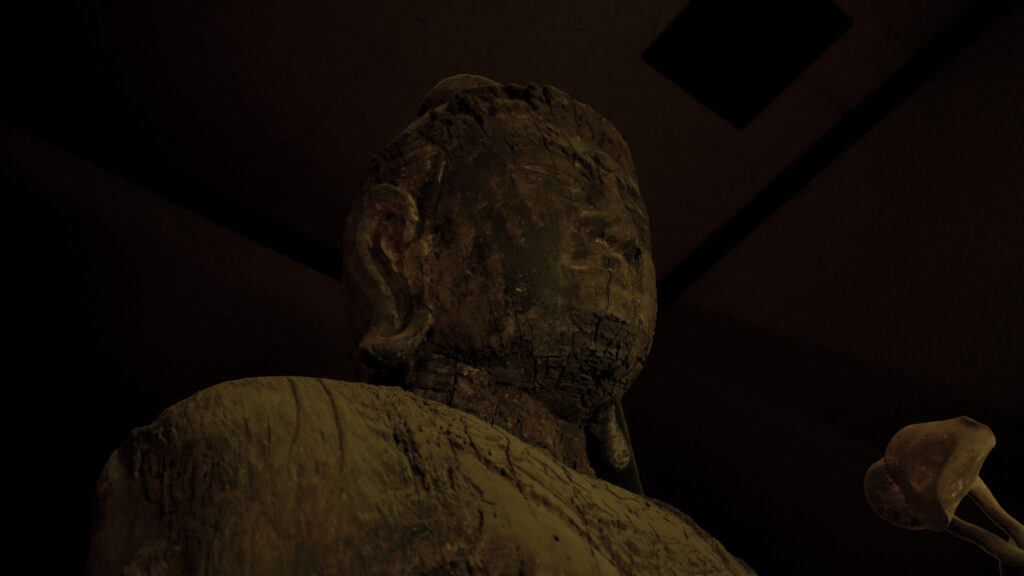
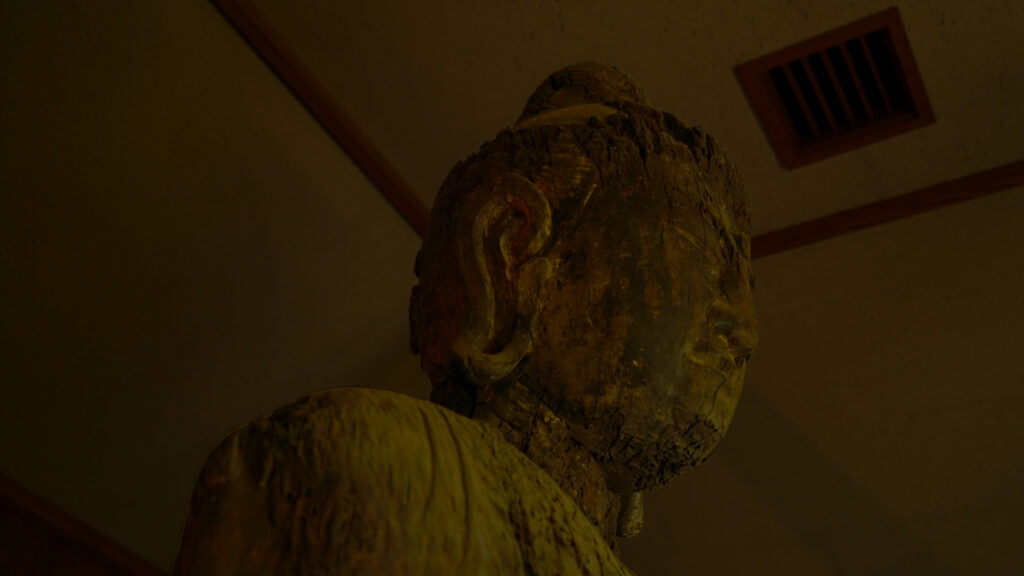
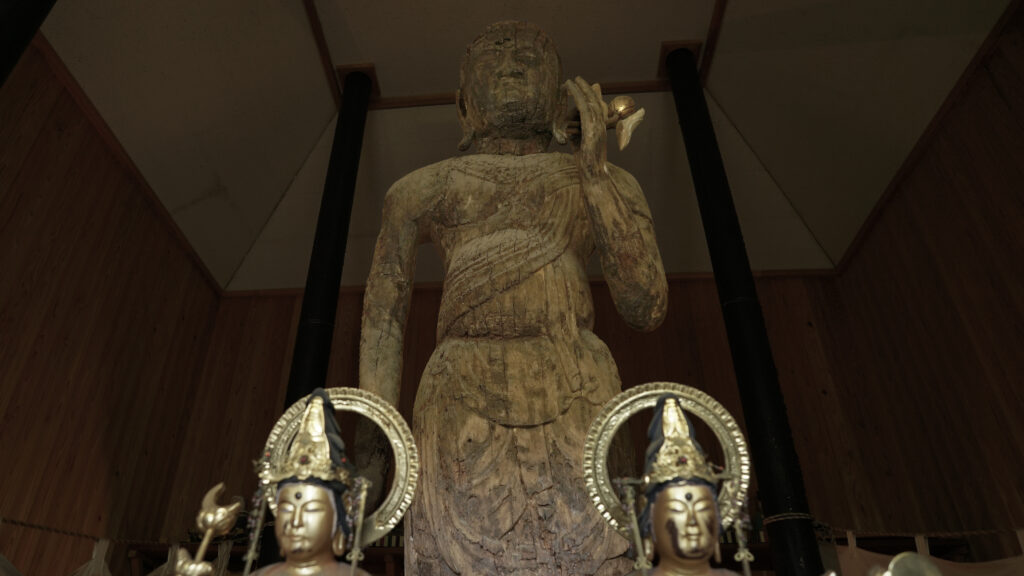


About the 10th century wooden statue of Shokannon Bodhisattva (designated cultural property of Chiba Prefecture) from the Heian period
Statues with one face and two arms, such as the wooden standing statue of Sho Kannon at Nikkoji Temple, are placed alone and are called Sho Kannon. “The Origin of the Cherry Trees on Buddhist Statues”
The cherry tree on the wooden standing statue of Sho Kannon at Nikkoji Temple may have been chosen because it was a special tree cherished over many years, signaling the seasons and watching over the villagers. If it was such an important tree, it seems unlikely that it would be cut down, even for the sake of a Buddhist statue.
The cherry blossom on Nikkoji Temple’s wooden standing Shokannon statue is said to have had a special origin, and was transformed into a Buddhist statue out of a desire to revive a sacred tree that had withered due to old age or an accident.
Kannon Bodhisattva is widely revered as a being who answers the cries for salvation of all living things and freely grants salvation through the protection of gods and Buddhas, and many Buddhist statues remain, but the wooden standing Shokannon statue at Nikkoji Temple is known as a particularly distinctive piece.
The statue stands 3.32m tall, making it the largest wooden carving in Chiba Prefecture. It is made from giant cherry wood, which is rare for a Buddhist statue to be carved from.
The back panel of the statue’s body, made from a single piece of wood, is missing, but the interior has been hollowed out from the head to the base, and both arms have been joined at the shoulders and then further joined from the left elbow onwards, using techniques such as these.
When this statue was first discovered, it was thought to be from the late Heian period (late 12th century) due to its carved eyes, round head and face, and shallow, gently hanging pleats in its robes. However, an investigation following repairs in 1986 led to it being estimated to be from the late 10th century. This is one of the oldest wooden statues in Chiba Prefecture, and its warm, compassionate facial expression, combined with its well-proportioned body and limbs, has earned it high praise as an essential piece in the history of Buddhist sculpture in Chiba Prefecture.
The story of the caretaker who was born and raised at the foot of Nikkoji Temple
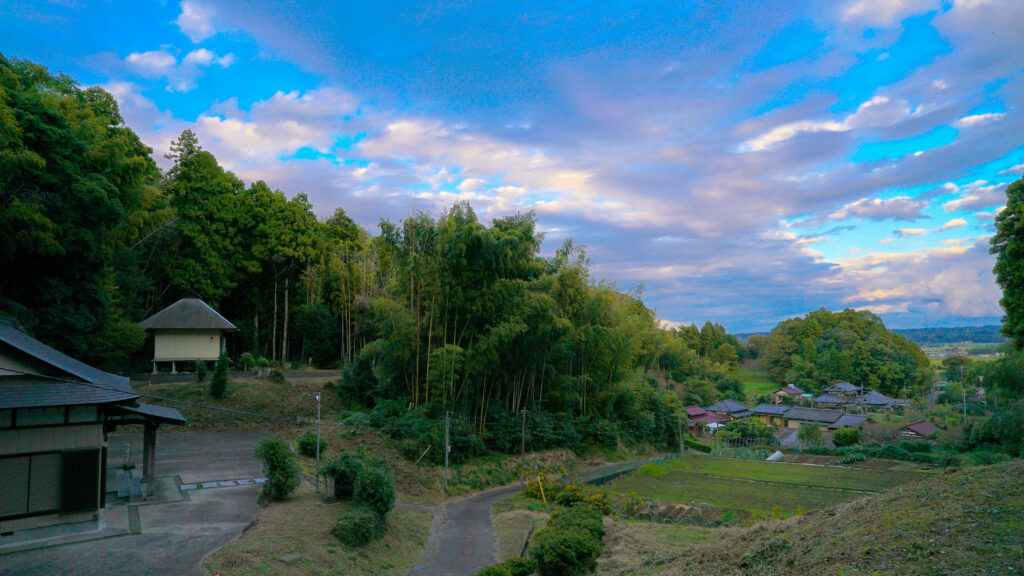
A place named by Minamoto no Yoritomo
The name Kazeto is said to have originated when Minamoto no Yoritomo and his party visited this area, and the moment they entered the town, they felt the wind stop, and Minamoto no Yoritomo exclaimed, “This is the door of the wind,” hence the name Kazeto.
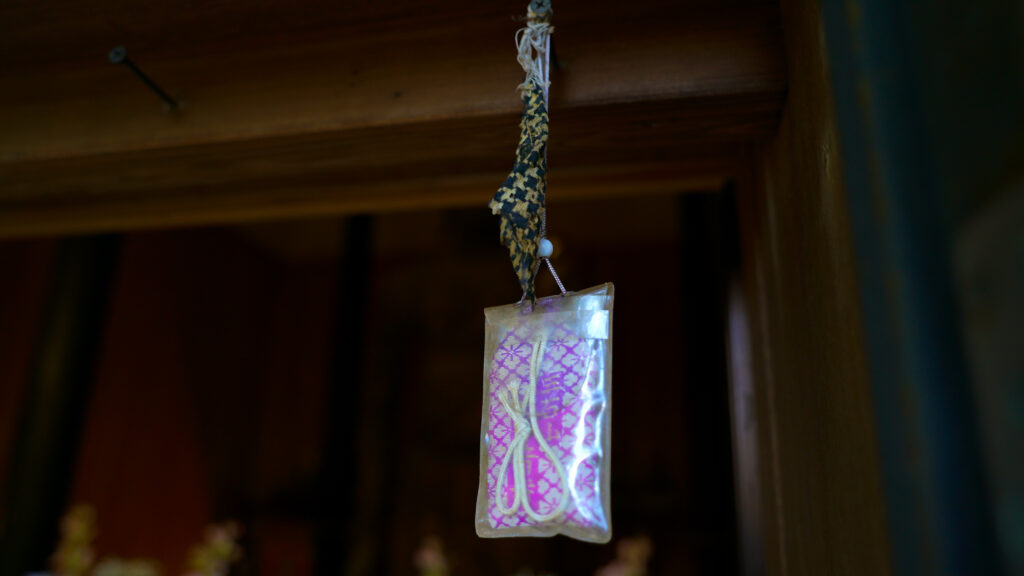
The cloths hanging on the pillars of the temple
For generations, it has been worshipped as a Buddha for safe childbirth, and when a baby is born, people would come to pray, fold and sew this cloth, and borrow it, and once the baby is born safely, they would put a new cloth inside. About 50 years ago, it was displayed in large numbers, but the cloth was eaten by insects, and there were fewer young people, so it is a custom that is no longer seen today.
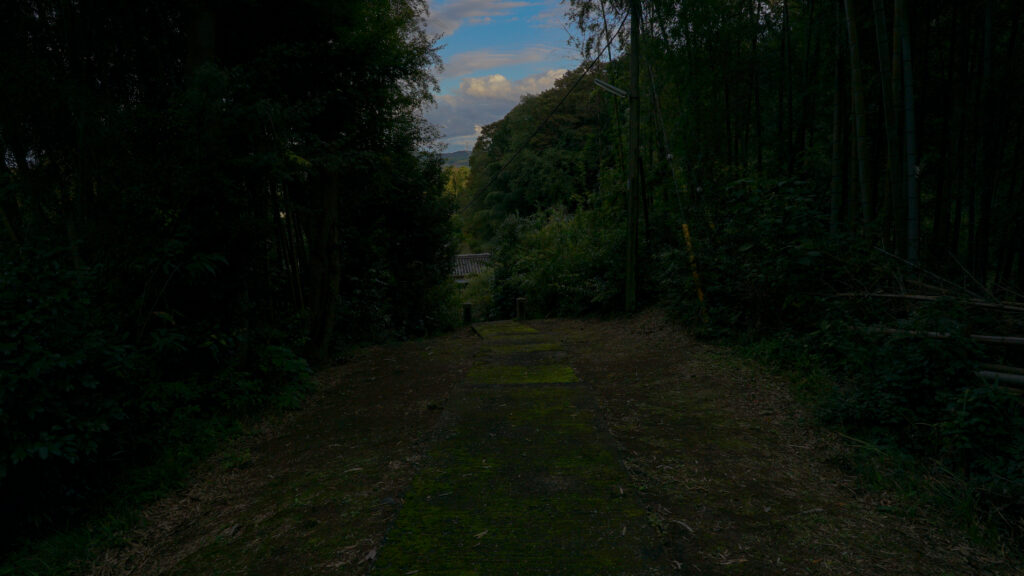
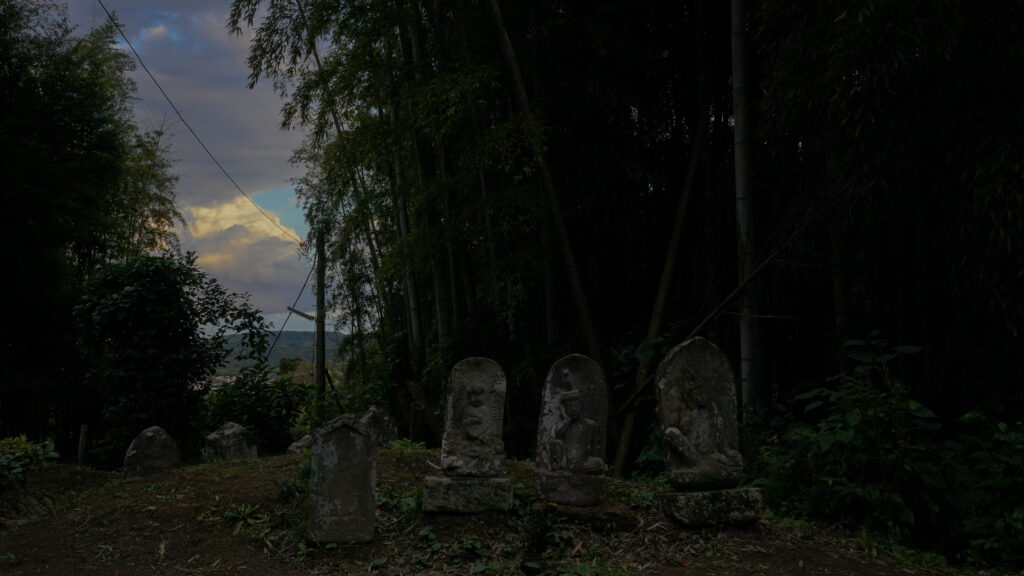
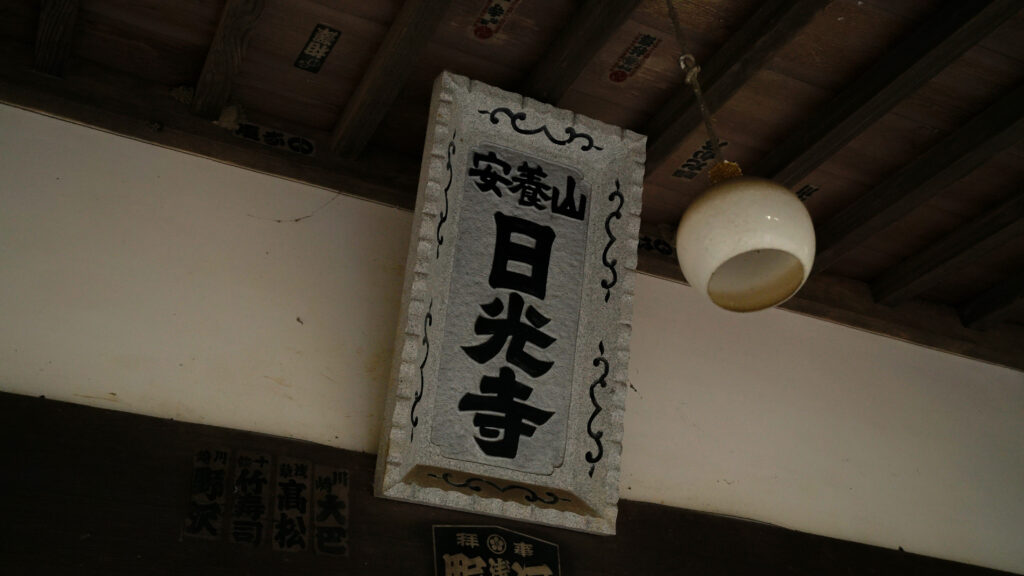

Information on Nikkoji Temple in Ichihara City, Chiba
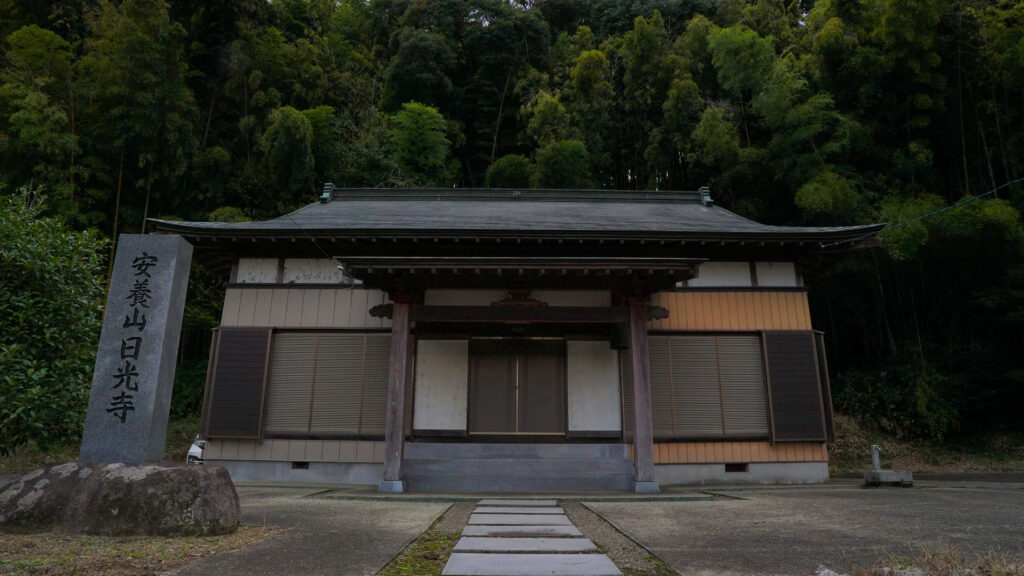
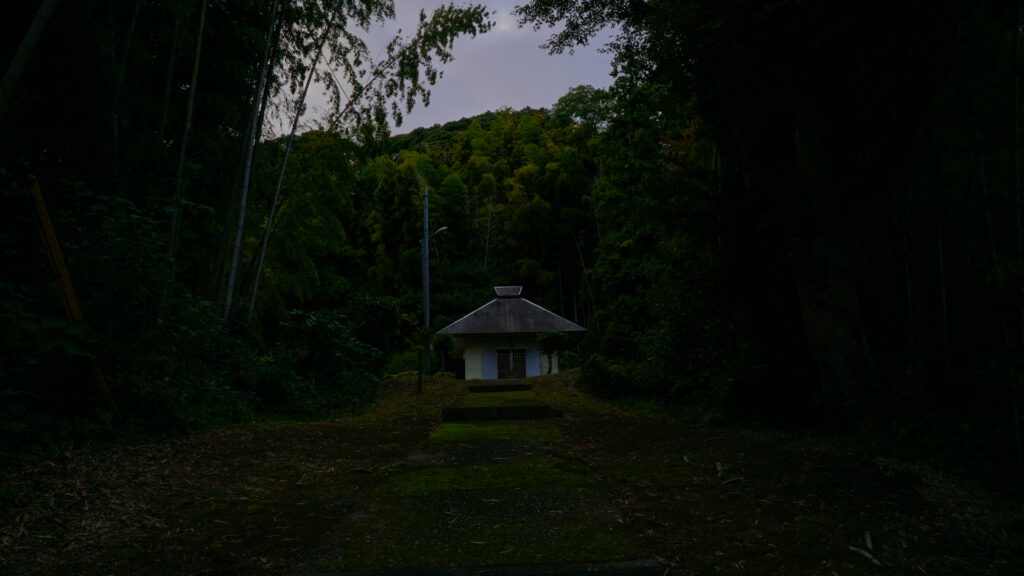
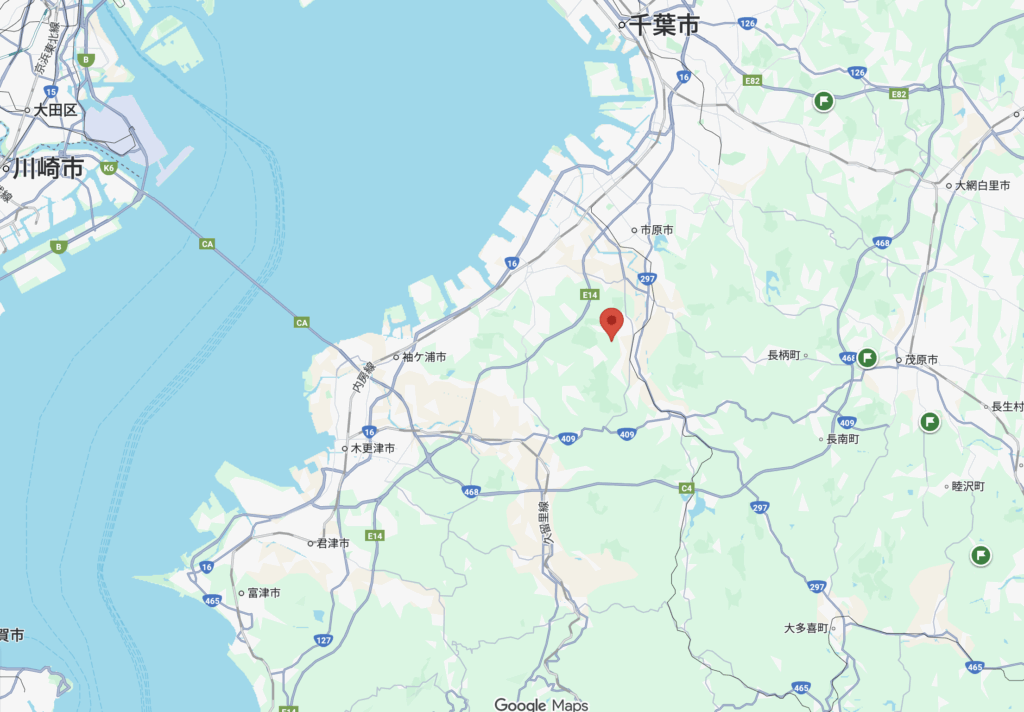
81 Kazato, Ichihara City, Chiba Prefecture, 290-0241
https://maps.app.goo.gl/Tv4mV1ah5rH9ydnd9
[Founding] The temple is said to have been built in 753 (Tenpyo-Shoho 5) during the Nara period.
[Temple Stamp] None
[Access] Train: Approximately 15 minutes on foot from Kofudai Station on the Kominato Railway / Bus: Approximately 8 minutes on foot from Kofudai Sakagami bus stop / Car: Approximately 14 minutes from Anesaki-Sodegaura IC
[Parking] Available (1-2 spaces)
[Opening Hours] 24 hours
[Viewing of the Buddha Statue] Peeking only; the statue is open to the public only on August 17th each year
[Advance Notice] Required (Contact the Ichihara City Cultural Properties Division)
[Admission Fee] Donation
[Website] None
