

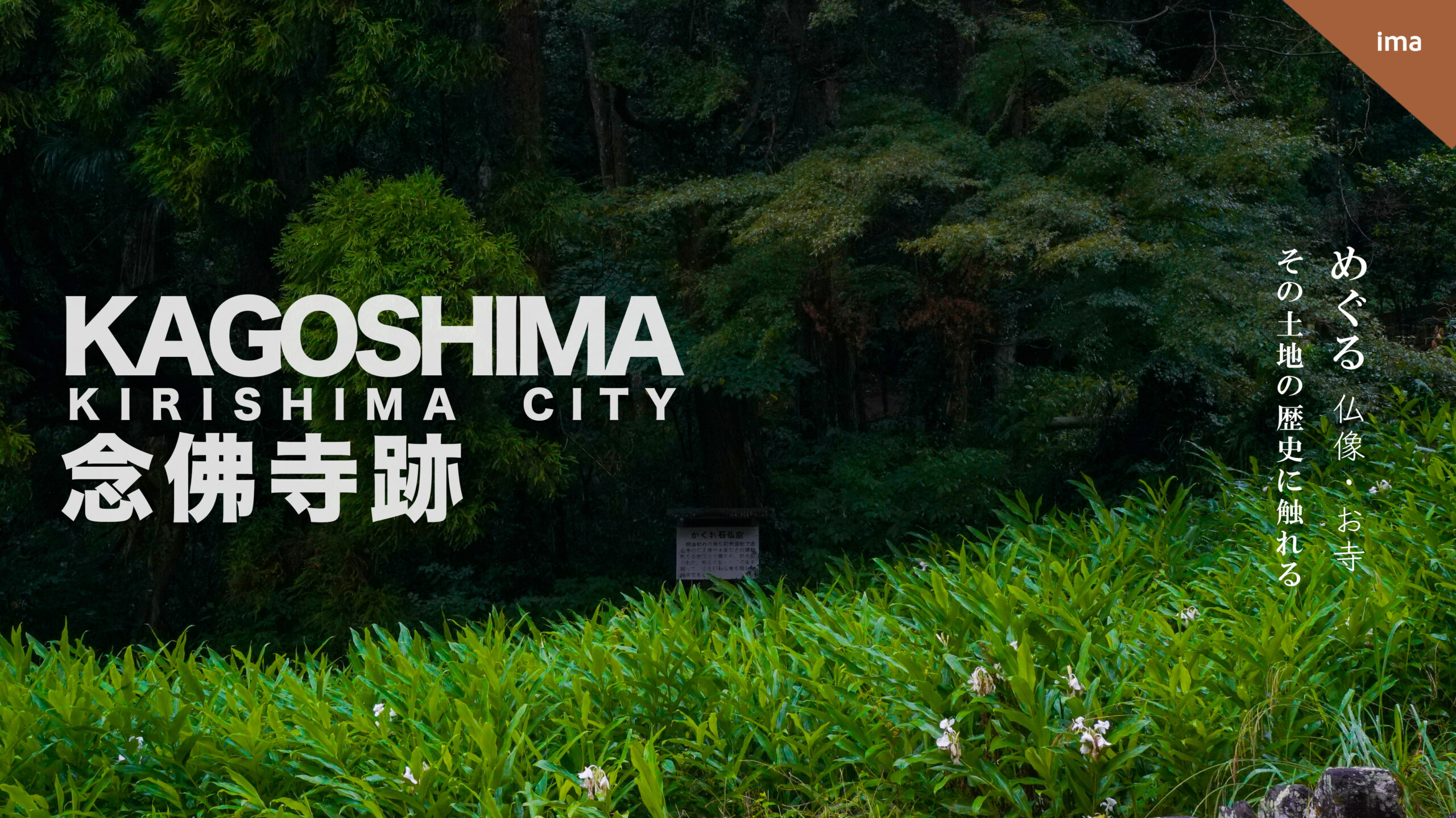

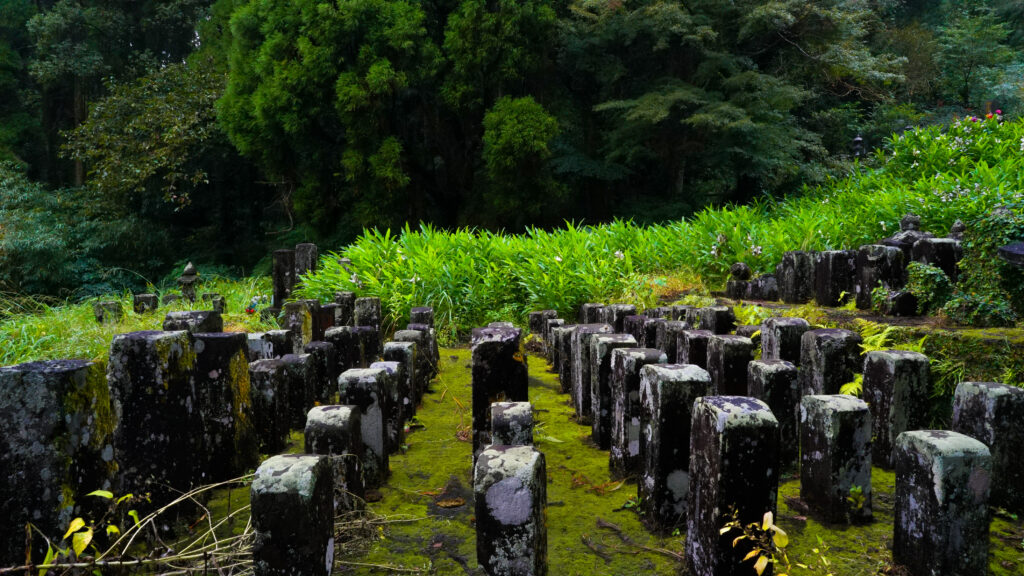
In a quiet residential area in Kokubu, Kirishima City, Kagoshima Prefecture, there are remains of Nembutsuji Temple, which was once the center of faith in the area. It is said that until around 1950, there were many stone Buddha statues from the Nembutsuji Temple era that escaped the anti-Buddhist movement. Although the temple building no longer remains, the rows of stone pagodas and the space covered in thick moss instantly transport visitors to the Satsuma period hundreds of years ago.
Because it has not been developed into a tourist destination, the air is very quiet, and you can take a historical stroll and experience the deep culture of Kagoshima Prefecture.
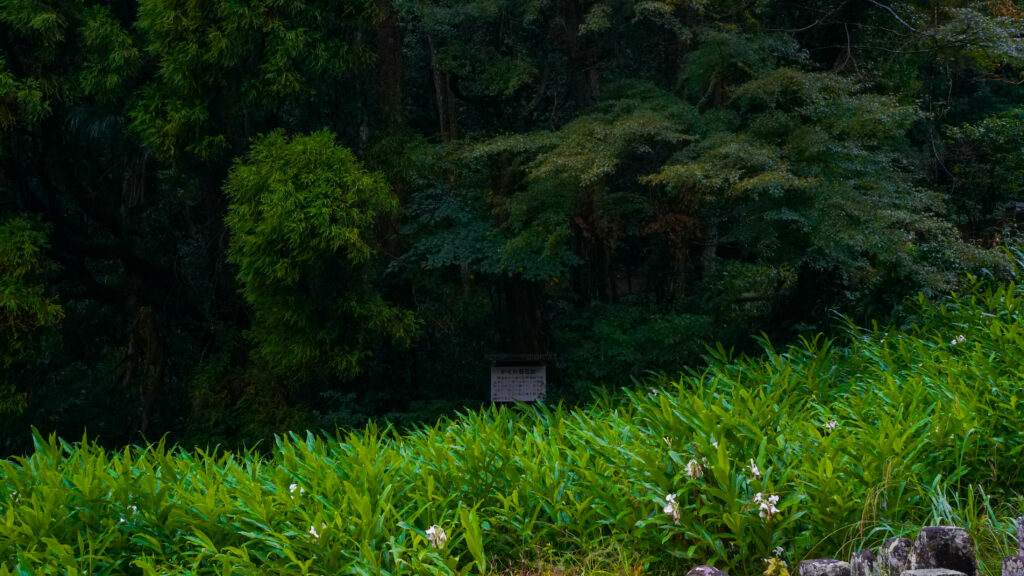
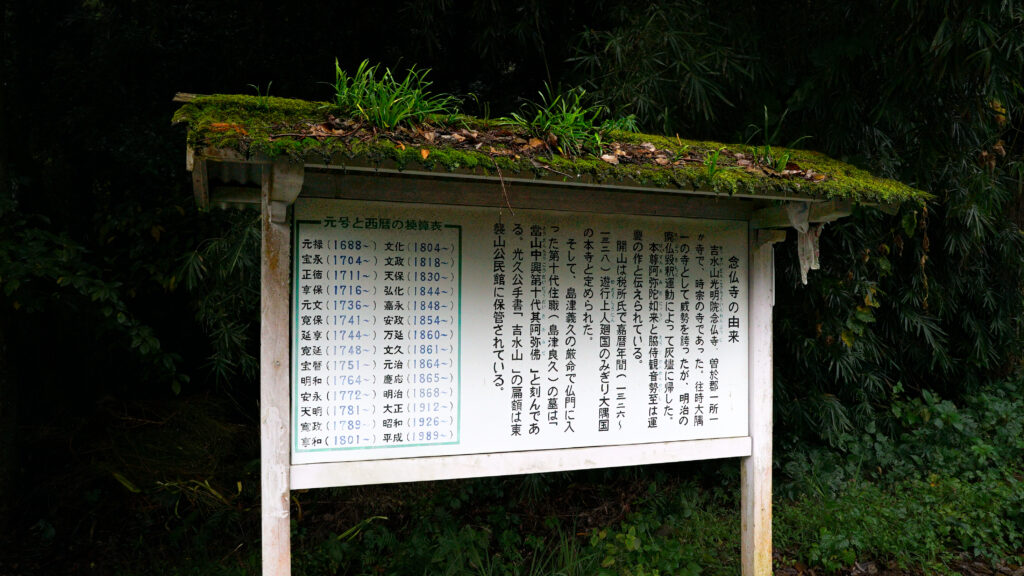
History of Nenbutsuji Temple
Its official name is Yoshimizusan Komyoin Nenbutsuji Temple.
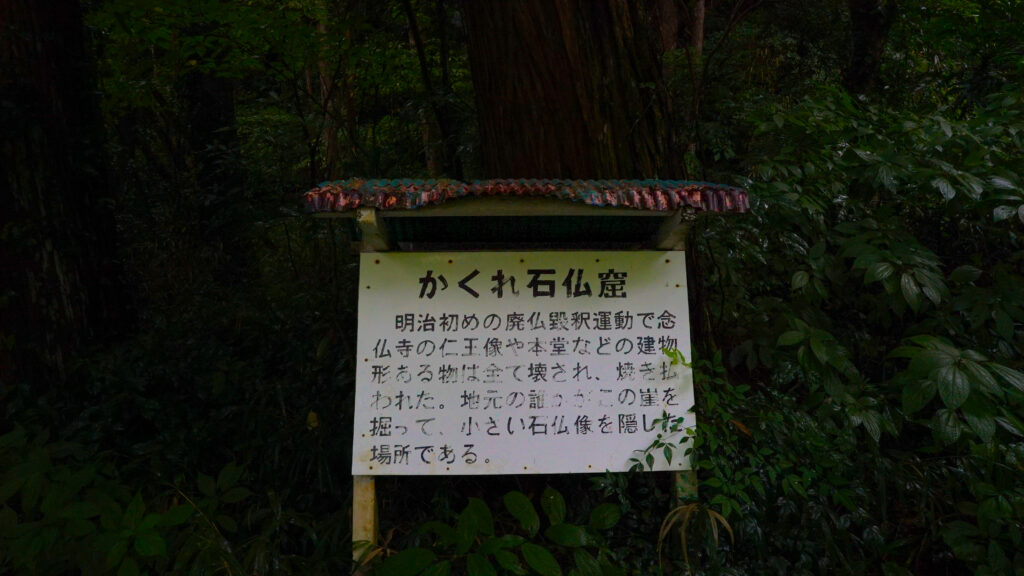
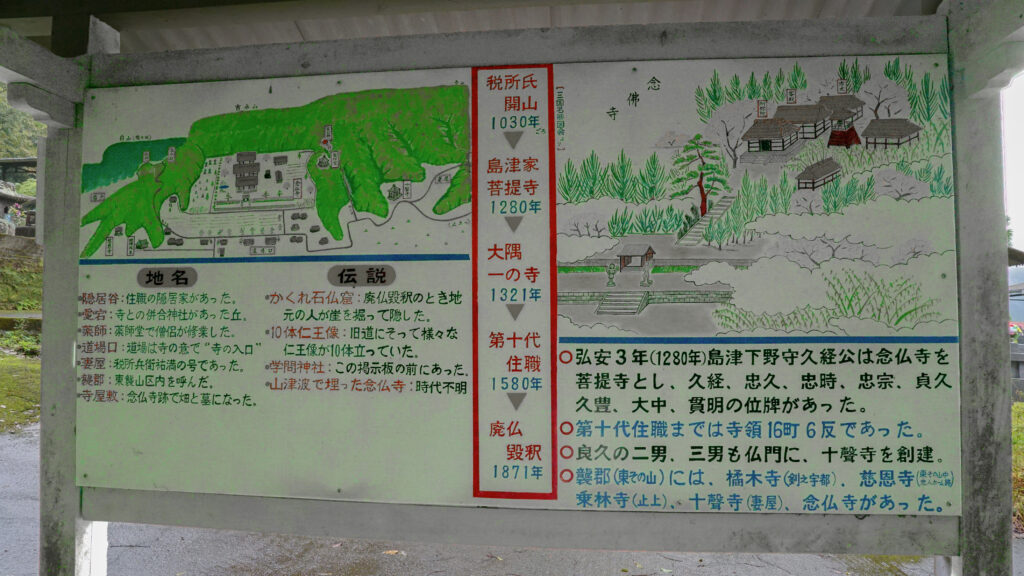
It was the most powerful temple on Kagoshima’s Osumi Peninsula, but all of its buildings were burned down during the anti-Buddhist and anti-Shrine movement of the Meiji era, and it disappeared without a trace.
The principal image enshrined there was Amida Buddha, flanked by Kannon Bodhisattva and Seishi Bodhisattva. These are said to be the works of Unkei.
Founded by the Zeisho clan, it was established as the main temple of Osumi Province during the Karaku era (1326-1328) when the monk Yugyo travelled around the country on pilgrimages and missionary work. It once flourished as an ancient temple of the Jodo (or Ji) sect, and had deep ties with the Shimazu clan from the Sengoku period through to the Edo period, and at one time had vast grounds where many monks practiced. Also nearby are the ruins of Kokubu Castle (Maizuru Castle) and a monument to the red seal ship trade, suggesting that Kokubu was once an important base for the Satsuma domain.
The charm of the former Nenbutsuji Temple site
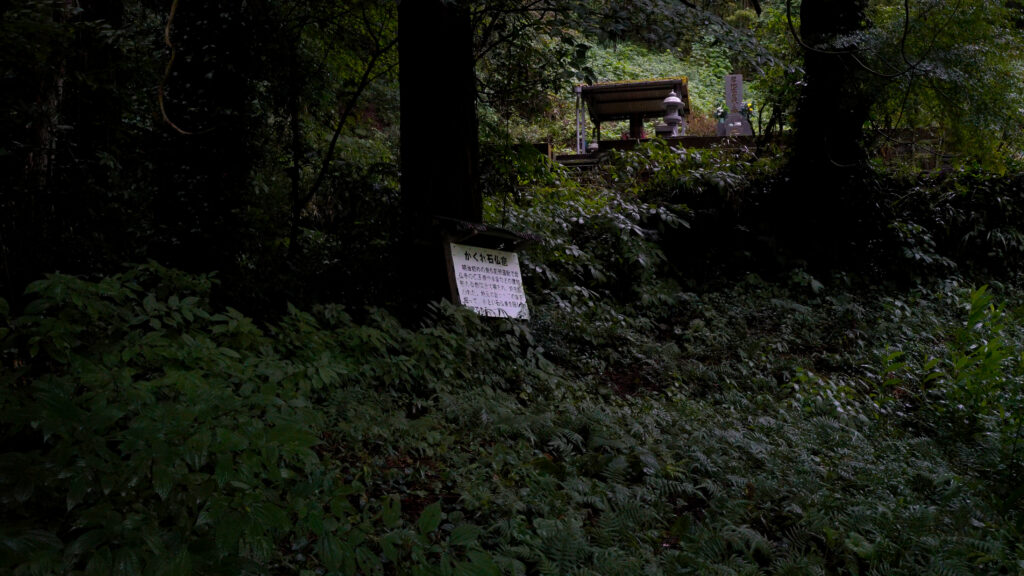
The biggest attraction is the neatly arranged gravestones of the temple’s successive chief priests.
The grave of Shimazu Yoshihisa (Achimichi Osho) is that of Shimazu Yoshihisa, who entered the Buddhist priesthood at the behest of Shimazu Yoshihisa and restored Nenbutsuji Temple, symbolizing his deep ties to the Shimazu clan.
The beauty of the stone art is also not to be missed. Stone pagodas featuring designs unique to the Satsuma region and Buddhist statues that were damaged but preserved during the Haibutsu Kishaku movement are scattered around, quietly conveying the weight of history.
Information of Nenbutsuji Temple
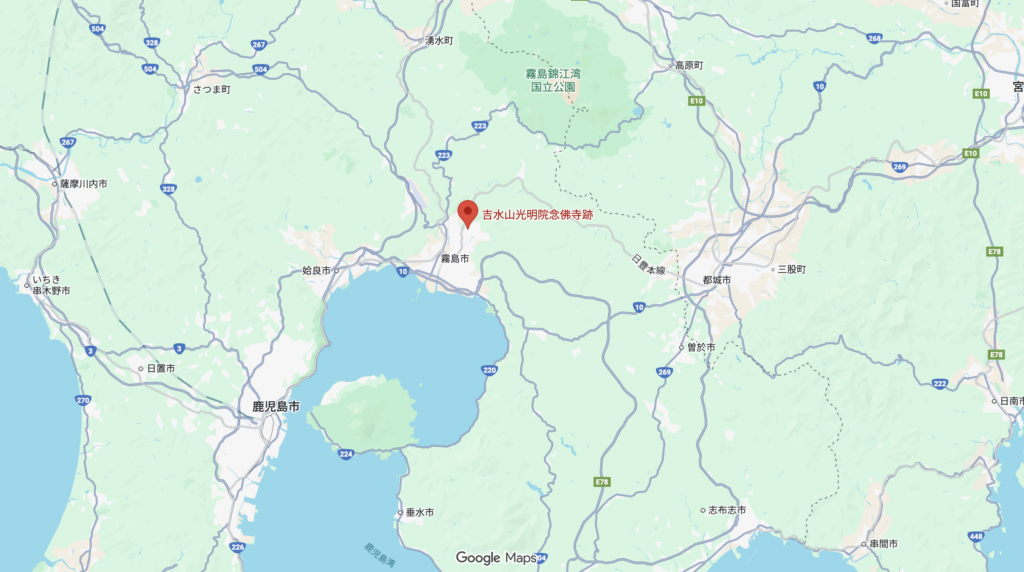
Shigehisa Kokubu, Kirishima City, Kagoshima Prefecture, 899-4301
https://maps.app.goo.gl/czN6s8gPK6TH854N6
[Temple Stamp] None
[Access] Approximately 11 minutes by taxi from JR Kokubu Station / Approximately 25 minutes by city loop bus and foot from JR Kokubu Station / Approximately 15 minutes by car from Hayato Higashi IC on the Higashi Kyushu Expressway
[Parking] Limited spaces available
[Opening Hours] –
[Buddha Statue Viewing] –
[Advance Visit Contact] –
[Phone Number] –
[Admission Fee] –
[Website] –

A word from the author
I came to this place to look for the remains of a hidden nembutsu, but although there were signposts, the path was blocked by overgrown vegetation, and due to the effects of recent heavy rains, the forest seemed to have become even thicker and more rugged.
After wandering around for a while, I unfortunately was unable to find any Buddha statues, but I felt like I had a real sense of the weight of history that Kagoshima holds.
Kagoshima was once the site of Japan’s most violent anti-Buddhist and anti-Shrine Movement, and according to research by Kuribayashi Fumio of Reimeikan, the prefecture has an incredible past in which all 1,066 temples in the prefecture were destroyed.
Although the Nenbutsuji Temple ruins are officially recognized temple sites, I felt they were also a symbol of the “prayer” that the people who lived here have continued to protect in secret and with great care.
Alongside the deep nature, there was a warmth of human hands that remained, and it was a beautiful landscape that conveyed that it is still cherished by the local people. Even though we didn’t get to see the Buddha statue we were looking for, it was a rich experience for us to feel part of a quiet history that has continued to be protected.