

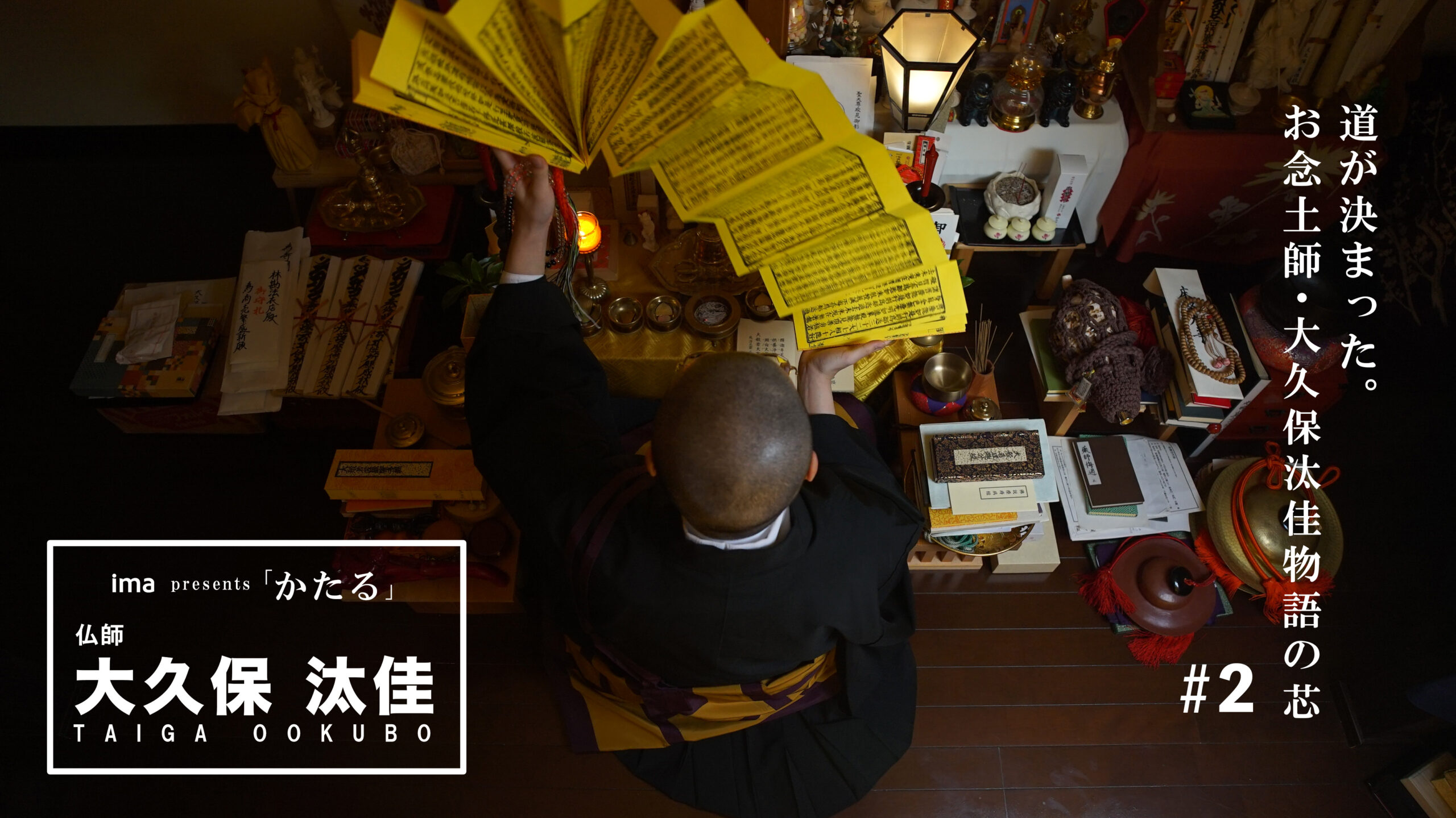

Without a reason, a name, or even words—the heart simply moved first. An encounter quietly takes root in the deepest reaches of one’s life.
The story of Taiga Okubo does not begin when he first studied Buddhism. It was not on the day he found his ambition, nor the day he chose his profession. It began much earlier.
On the blurred borderline of memory, the Buddha was already “there.” It wasn’t so much a faith as it was a natural part of the daily landscape. We asked him to recount those moments—the time that had already begun alongside the Buddha.
ima presents “Kataru” : Onendoshi – Taiga Okubo, Episode 2. Please enjoy.
Before logic, the Buddha was.
生まれ育った環境と、あまりに早すぎる「目覚め」の描写がとてもユニークですね。石材店のチラシを宝物のように集める幼少期のタイガくんの姿が目に浮かびます。
物語の冒頭を飾るにふさわしい、素朴ながらも運命を感じさせるトーンで翻訳しました。
翻訳:English Version
I was born in Nagano City, surrounded on all sides by mountains, right in the heart of Zenko-ji Temple’s shadow. I grew up as an only child in Kawanakajima, along the old Hokkoku Kaido road. None of my relatives had any connection to temples at all.
I still vividly remember my first encounter with the Buddha. Even before I was self-aware, I had already fallen in love with graveyards. I was only one or two years old then. If you asked me what I liked about them, my answer would be vague—perhaps it was just their “form.”
In Nagano, you often find flyers from stonemasons tucked inside the morning newspapers. It’s still like that today. They’d have ads like, “Golden Buddhist Altar: Usually 3 million yen, now half-off at 1.5 million!” I loved those flyers and used to collect them all the time.
I also loved looking at the stonemason showrooms lined up along the main highways. I have distinct memories of gazing at them from my child seat in the car.
Even now, I don’t think there is a specific reason why I like what I like. It isn’t about logic. To “love” something is, after all, pure intuition.
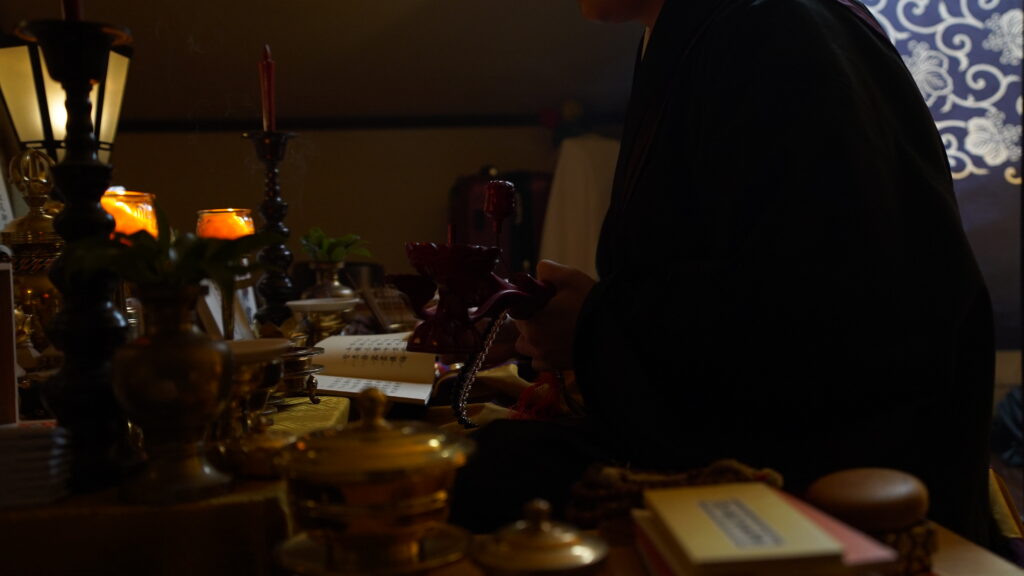

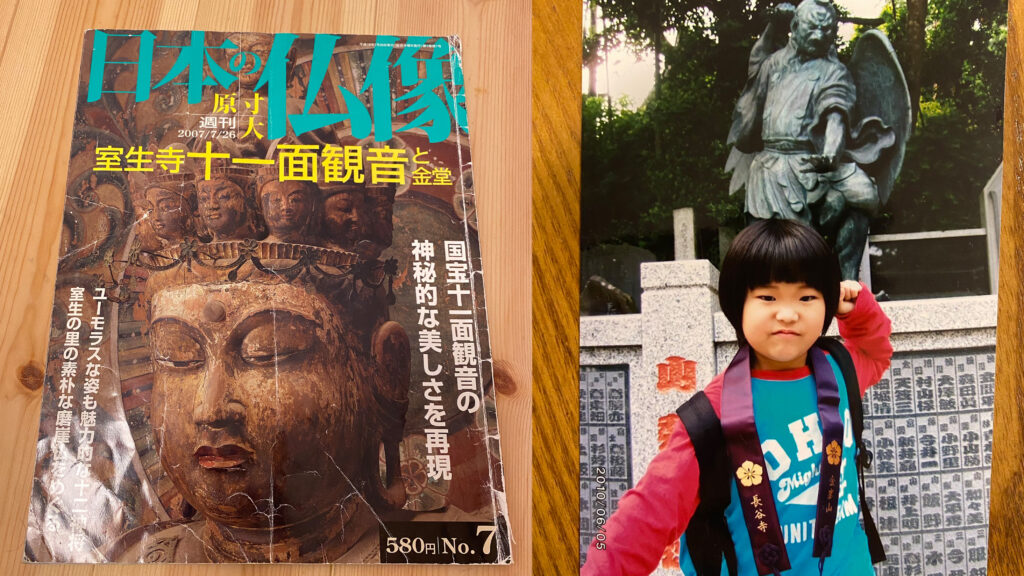
Those 50 volumes of “Statues of Buddha in Japan” defined my entire life.
Later, a friend of my mother’s, Mr. Seki, said to me, “If you like graveyards so much, maybe you’d like something like this,” and gave me a book about Buddhist statues. I must have been about three years old.
The cover featured Ashura; it was a special issue on Kofuku-ji Temple. It was from the “Statues of Buddha in Japan” series, published every Thursday by Kodansha—a total of 50 volumes.
As the weeks went by and new issues were released one after another, going to the bookstore every Thursday to buy the latest “Statues of Buddha in Japan” became my routine… even back then as a kindergartner.
At first, I didn’t have the whole set; I would just pick up an issue here and there. But from around Volume 30, I started buying them every single week without fail. There were a few issues that were nearly impossible to find—for example, Volume 17, Rokuharamitsu-ji: The Kuya Shonin Statue and Higashiyama. It was so popular across Japan that it was sold out everywhere. I remember eventually contacting the publisher directly to have it sent to me. That’s how I filled the gaps, by ordering the missing volumes until I finally had all 50.
Even now, this “Statues of Buddha in Japan” series remains my bible. Every major Buddhist statue one should know in Japan is covered within those 50 volumes. Because I read them so thoroughly, the knowledge of every statue featured back then is still etched in my mind today.
Without a doubt, the very foundation of my perspective on Buddhist statues lies right there. The knowledge imprinted on me during my kindergarten years lives on, unchanged, to this day. Looking back, I feel “Statues of Buddha in Japan” was released into the world at the most perfect timing for me.
 | 価格:1149円 |

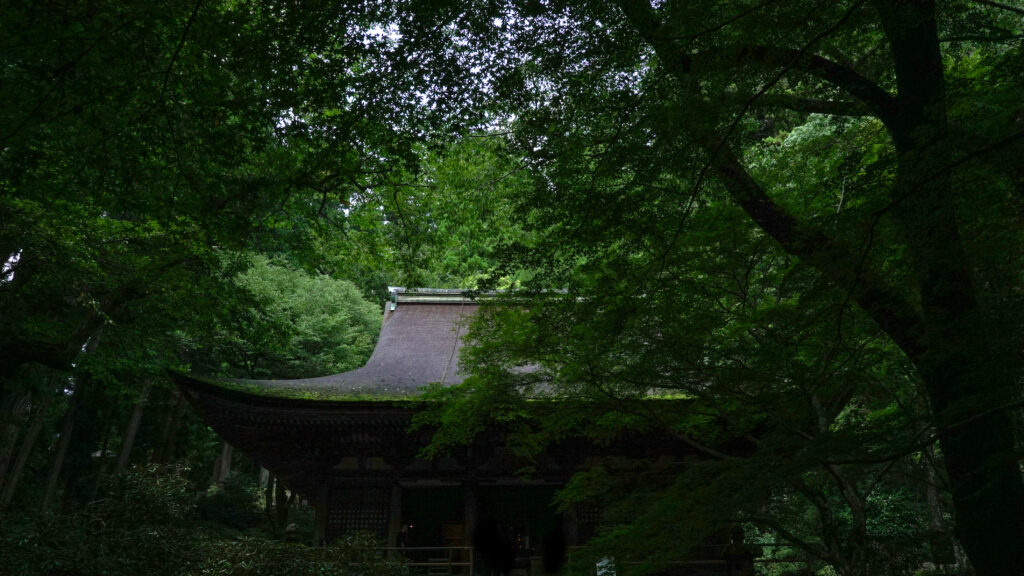
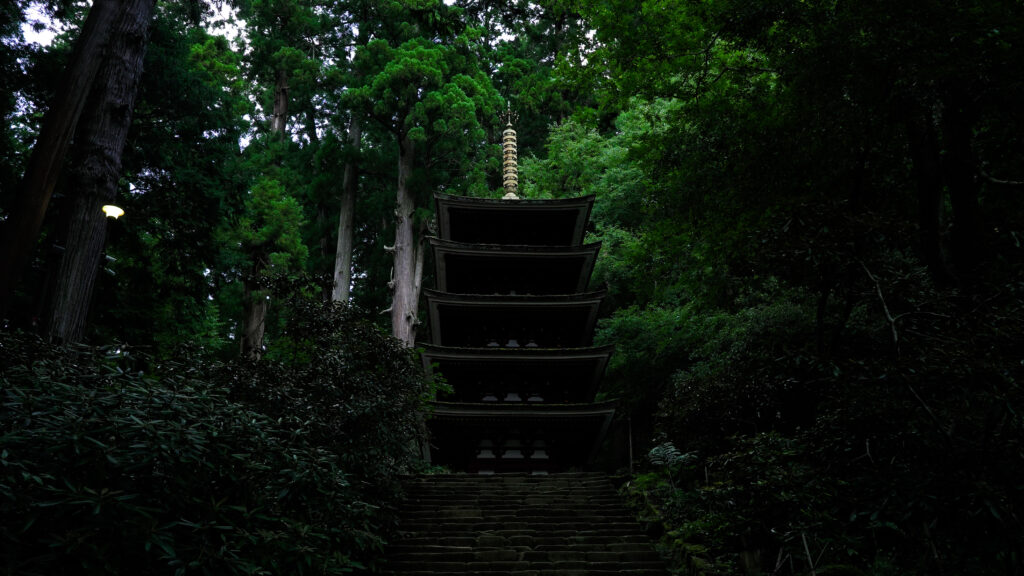
The moment at Muro-ji Temple I could never forget.
Naturally, I began visiting temples more often—from Zenko-ji near Nagano City to various temples around Kamakura. Among them, Gumyo-ji in Kanagawa was a particular favorite. Gradually, however, I developed a clear, burning desire to see specific statues. Most of them were in Nara. The reason was simple: the majority of the statues featured in Statues of Buddha in Japan were located in Nara and Kyoto.
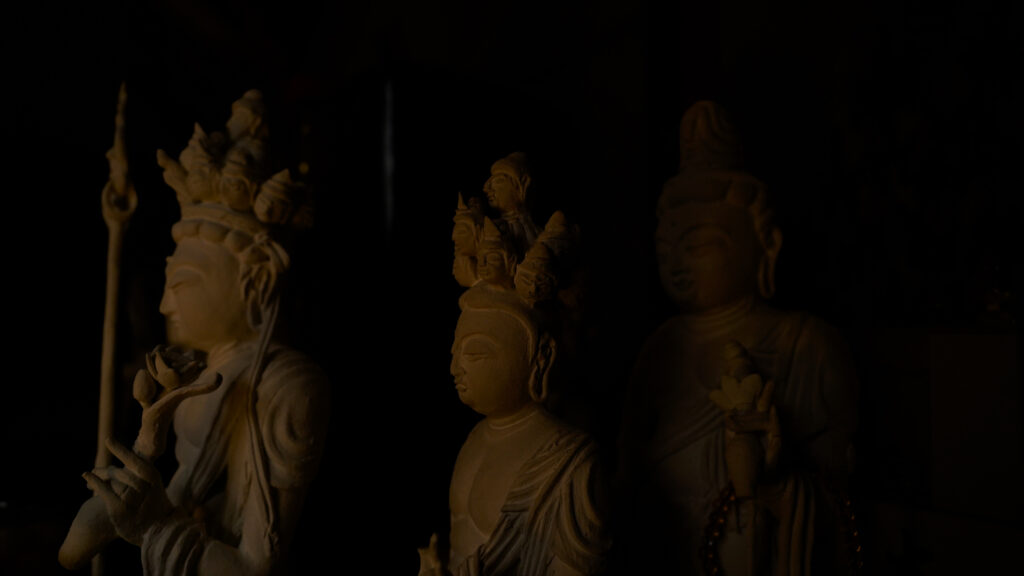
The one that captured my heart most intensely was the Eleven-Headed Kannon of Muro-ji Temple in Nara, which I encountered in Volume 7. The moment I opened that page, I knew instinctively: “This is the one.” The impact was so profound that her image was etched clearly into my young heart.
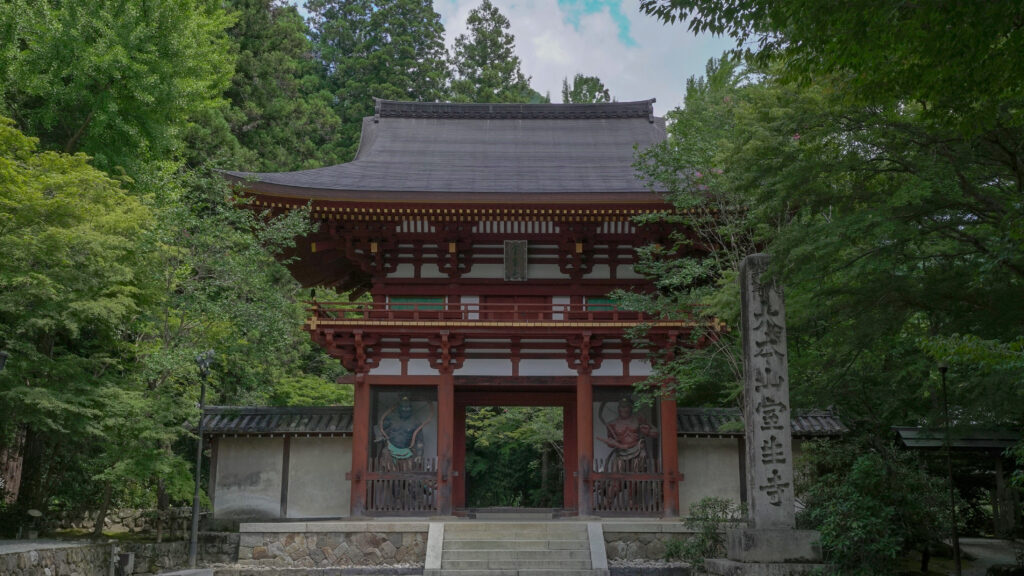
Then, when I was five years old, a relative’s wedding was held in Kashihara, Nara. My entire family, including my grandparents, traveled there together. This was my very first trip to Nara. Naturally, we made our way to Muro-ji.
The moment I first stood before the Eleven-Headed Kannon of Muro-ji, the first emotion that welled up inside me was a sense of: “Finally, we meet.” It was a moment of pure, heart-fluttering joy—one I will carry with me for the rest of my life.
That encounter at Muro-ji sparked a deep fascination with the Eleven-Headed Kannon herself. I asked my parents where else she was enshrined nearby and learned about the famous Kannon at Hase-dera in Nagano. When I visited there, I met the head priest, who remains one of my most trusted lifelong mentors and friends. Through that connection, I truly came to know the world of “monks” and “temples” as something close and personal for the first time.
The Primal Scenery of Onendoshi
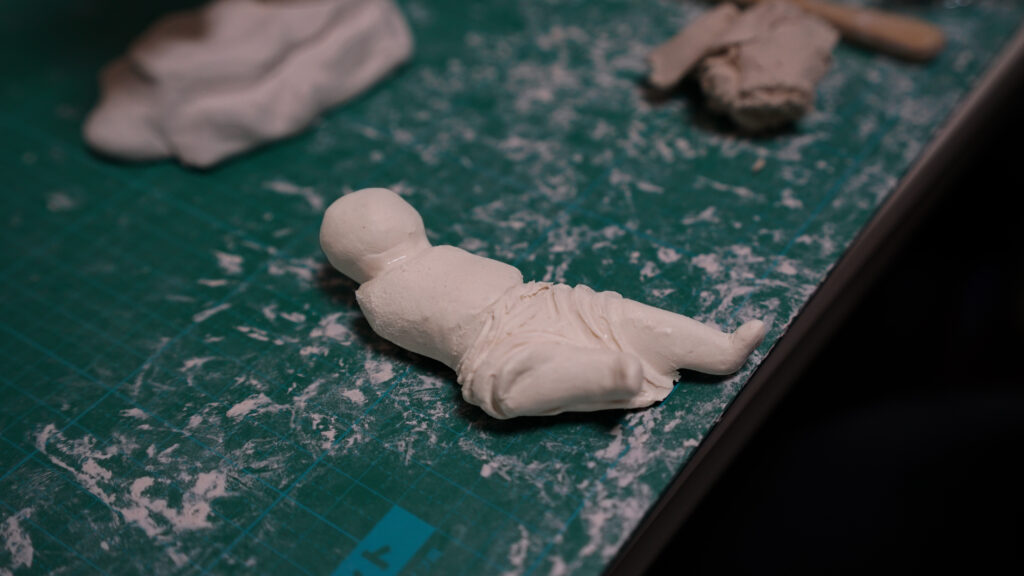
Around that time, I also started making Buddhist statues out of clay. I don’t really know what triggered it; it just felt like the natural thing to do. Before I began sculpting, I had been sketching them obsessively, so I think those drawings naturally led me to create my first three-dimensional pieces. The very first ones I made were the Eleven-Headed Kannon and Fudo Myoo.
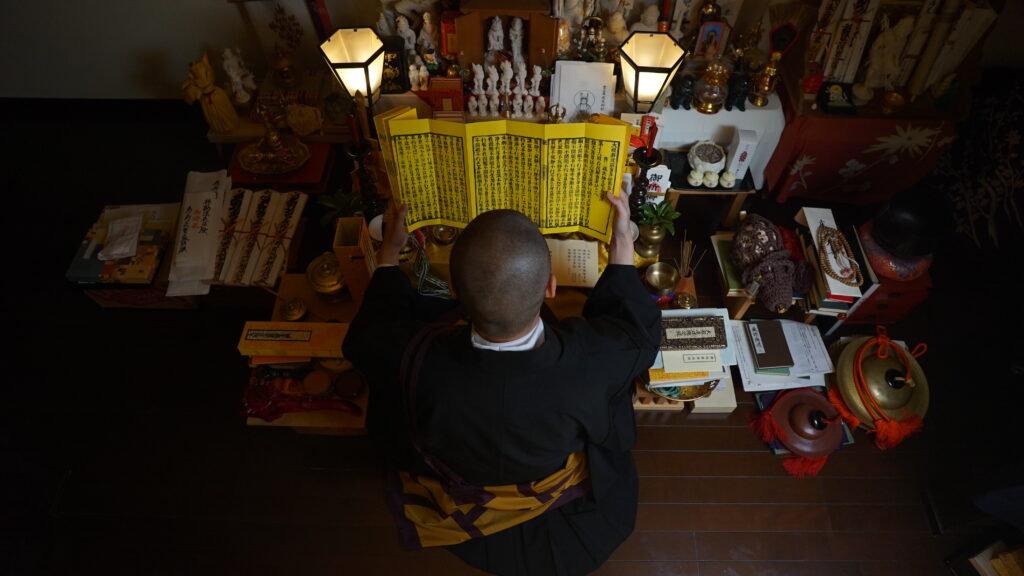
I would also show my sketches to people and explain the stories behind each Buddha. I even started performing prayers and rituals back in my kindergarten days. Observing, sketching, sculpting, narrating, and praying—I was a kindergartner who did all of these things as naturally as breathing.
Note from the Author
Thank you for reading Episode 2: “The Path is Set — The Core of Onendoshi, The Taiga Okubo Story.”
“Before logic, the Buddha was already there.” In this single sentence, I felt the very essence of Taiga. It’s as if every moment of his daily life back then was burned into his heart as a form of “resonance”—something that existed long before it could ever be put into words.
That pure feeling of “just loving it” remains unchanged within him today. He seeks no reasons; he simply feels the prayer through the forms he creates. I feel as though I’ve caught a glimpse of the true origin of Onendoshi, Taiga Okubo. It has been a truly moving experience.
Please look forward to seeing Taiga in Episode 3.